THE ADVENTURE COLLECTIVE® · Independent discovery and booking for outdoor travel

Skip the tourist show and step into a lesson that leads straight to a real milonga. Learn basic technique, local etiquette and the social code of tango in a historic Buenos Aires studio, then practice your steps among dancers who live to dance.
Skip the tourist show and step into a lesson that leads straight to a real milonga. Learn basic technique, local etiquette and the social code of tango in a historic Buenos Aires studio, then practice your steps among dancers who live to dance.
The studio door opens into warm light and old wood floors that remember the weight of a thousand embraces. For an hour you learn steps and the quieter language of the abrazo—how to lead, follow and listen—inside a converted early-1900s hotel where varnish and mirrors keep time with the music.
Verified experiences and guided adventures in the surrounding area.
Operated by Your Buenos Aires · Buenos Aires, Buenos Aires
The studio door opens into warm light and old wood floors that remember the weight of a thousand embraces. For an hour you learn steps and the quieter language of the abrazo—how to lead, follow and listen—inside a converted early-1900s hotel where varnish and mirrors keep time with the music.
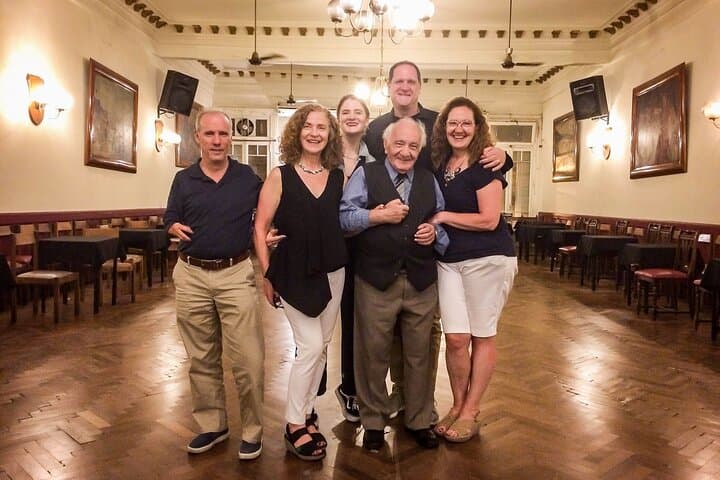
Tango grew from the docks and tenements of late 19th-century Buenos Aires, a hybrid born of European immigrants, Afro-Argentine rhythms and local criollo tradition. By walking from the studio to a neighborhood milonga, you pass the layered city: cobbled alleys, postered façades and cafés that sustained composers and dancers through political upheavals.
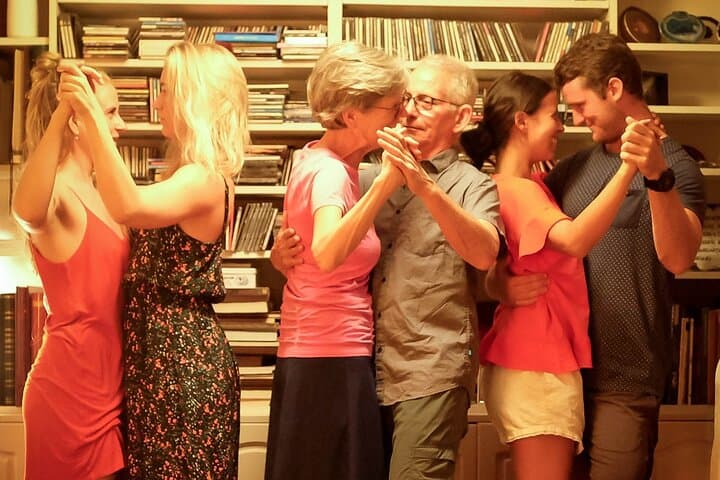
The lesson focuses on fundamentals—posture, axis, basic ochos and walking—then melts into a milonga where locals test repertoire, etiquette and musical phrases in real time. Expect close, structured social dancing: tanda by tanda, respect for turns, and a culture that values listening as much as movement.
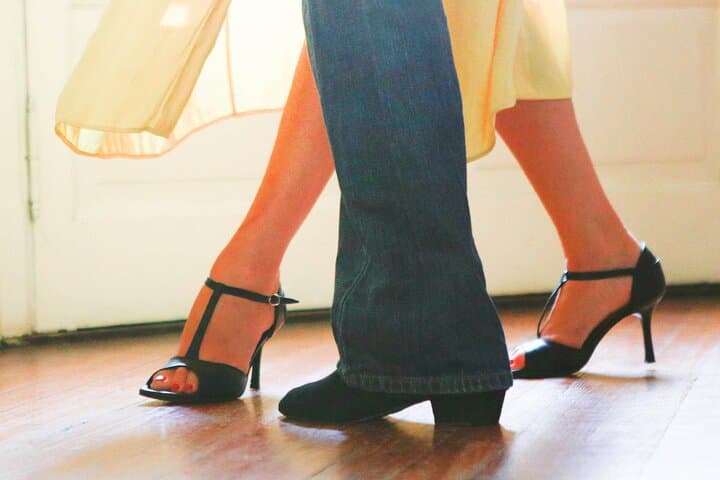
Practical: wear flat-soled, comfortable shoes; plan to stand and move for short bursts; bring small bills for a coat check or soda; the group size keeps feedback personal. The pace is gentle—this is about connection over spectacle—so beginners can participate without pressure.
Whether you come with two left feet or previous rhythm, the experience is a practical immersion: histories are heard in the music, the city’s architecture frames the walk, and the milonga teaches a local code that no stage show can replicate.
easy.
3 hours.
Light physical activity; suitable for people comfortable standing, walking short distances and basic coordination work
No—this class is designed for absolute beginners; instructors focus on basic steps, posture and musicality.
Comfortable, flexible clothing and flat-soled shoes are best; avoid new shoes that might blister during standing and pivoting.
Yes—many milongas welcome visitors, but follow local etiquette (observe tandas, accept or decline cortésly, and follow the venue’s rules).
The tour indicates the door charge is covered, and instructors typically pay the milonga fee for the group.
Tango emerged in the late 1800s in Buenos Aires’ port neighborhoods, shaped by immigrant communities and African-Argentine influences before becoming a national cultural form.
Support small cultural venues and local musicians; participating respectfully helps sustain milongas and keeps low-impact tourism aligned with neighborhood life.
Your Buenos Aires operates guided outdoor trips and adventures with an emphasis on safety, stewardship, and memorable experiences.
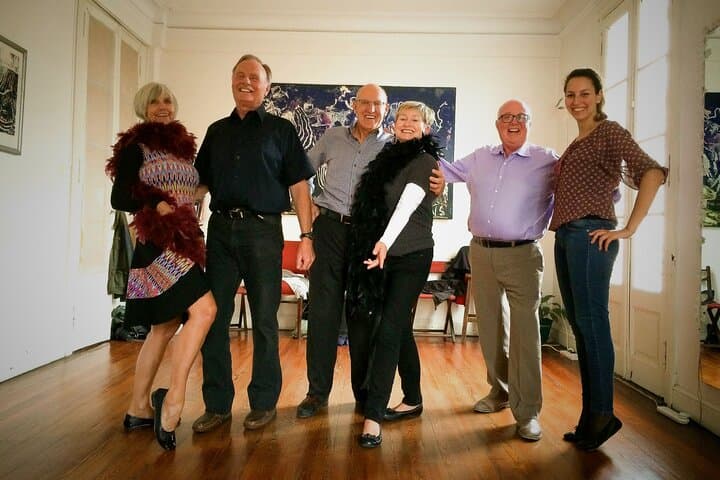
The studio door opens into warm light and old wood floors that remember the weight of a thousand embraces. For an hour you learn steps and the quieter language of the abrazo—how to lead, follow and listen—inside a converted early-1900s hotel where varnish and mirrors keep time with the music.
The studio door opens into warm light and old wood floors that remember the weight of a thousand embraces. For an hour you learn steps and the quieter language of the abrazo—how to lead, follow and listen—inside a converted early-1900s hotel where varnish and mirrors keep time with the music.
Tango grew from the docks and tenements of late 19th-century Buenos Aires, a hybrid born of European immigrants, Afro-Argentine rhythms and local criollo tradition. By walking from the studio to a neighborhood milonga, you pass the layered city: cobbled alleys, postered façades and cafés that sustained composers and dancers through political upheavals.
The lesson focuses on fundamentals—posture, axis, basic ochos and walking—then melts into a milonga where locals test repertoire, etiquette and musical phrases in real time. Expect close, structured social dancing: tanda by tanda, respect for turns, and a culture that values listening as much as movement.
Practical: wear flat-soled, comfortable shoes; plan to stand and move for short bursts; bring small bills for a coat check or soda; the group size keeps feedback personal. The pace is gentle—this is about connection over spectacle—so beginners can participate without pressure.
Whether you come with two left feet or previous rhythm, the experience is a practical immersion: histories are heard in the music, the city’s architecture frames the walk, and the milonga teaches a local code that no stage show can replicate.