THE ADVENTURE COLLECTIVE® · Independent discovery and booking for outdoor travel

Step into a small studio or milonga in Buenos Aires for a 90-minute, pro-led tango lesson that pairs technique with cultural context. Learn core steps, social etiquette, and get directions to nearby parlors for an authentic night on the dance floor.
Step into a small studio or milonga in Buenos Aires for a 90-minute, pro-led tango lesson that pairs technique with cultural context. Learn core steps, social etiquette, and get directions to nearby parlors for an authentic night on the dance floor.
The room is warm with low light and the scrape of shoes on wood; two local pros take your hand and guide you into the compact, close world of Argentine tango. In a small studio near San Telmo or a tucked-away milonga, the lesson begins with posture and connection — how weight moves between partners and how silence on the floor becomes music.
Verified experiences and guided adventures in the surrounding area.
Operated by Experience Baires LLC · Buenos Aires, Ciudad Autónoma de Buenos Aires
The room is warm with low light and the scrape of shoes on wood; two local pros take your hand and guide you into the compact, close world of Argentine tango. In a small studio near San Telmo or a tucked-away milonga, the lesson begins with posture and connection — how weight moves between partners and how silence on the floor becomes music.
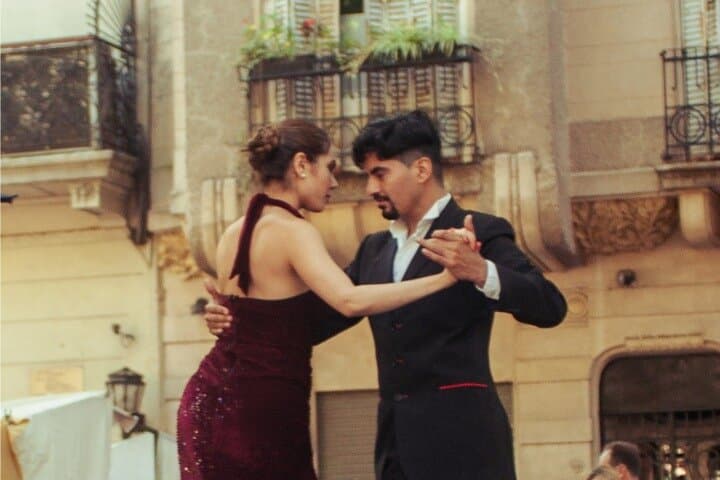
Tango was born in Buenos Aires' port neighborhoods in the late 19th and early 20th centuries, shaped by European immigrants, criollo rhythms, and the city's working-class cafés. The modern porteño scene still carries that layered history: old guard salons, contemporary tango shows, and neighborhood milongas where etiquette is as important as steps. The city's flat pampas plain meets the Río de la Plata estuary here, so you feel the urban geometry more than alpine drama — streets, plazas, and historic cafés set the stage.
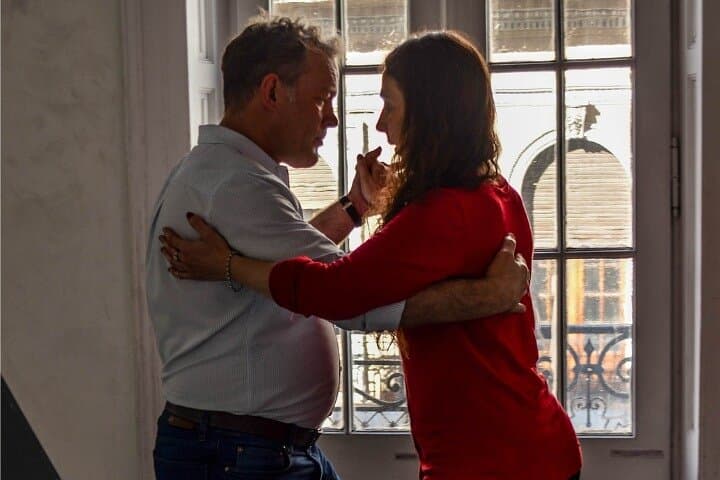
Expect a focused 90-minute class that balances technique (embrace, ochos, basic caminada) with cultural context: learning the etiquette of milongas, hearing tango's phrasing, and optional introductions to nearby parlors for live music.
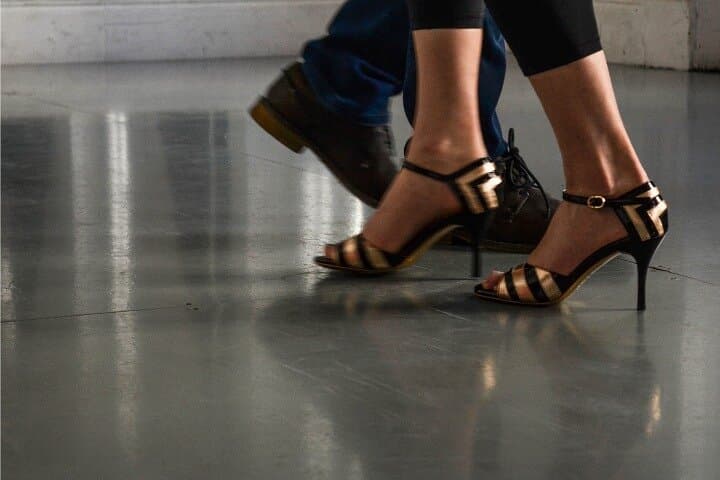
Practical guidance: wear flexible shoes with a smooth or suede sole, hydrate, and arrive 10–15 minutes early. The pace adapts to beginners through intermediate dancers; the experience is social as much as instructional. Reserve in advance for smaller groups and request a milonga pass if you want to practice among locals after class.
moderate.
90 minutes.
Moderate—comfortable standing, basic balance and core strength help; those with limited mobility can often participate at a gentler pace.
No; the lesson accommodates beginners and offers progressions for intermediate students—tell the instructor your level when booking.
This listing is a shared lesson with up to about 20 people; you can request private instruction when booking subject to availability.
Lessons use recorded music; instructors can arrange or recommend nearby milongas with live music on request.
Smart-casual is typical—neat shoes and modest, comfortable clothing that allows movement and respects local venues.
Tango emerged in Buenos Aires’ late-19th-century immigrant barrios and evolved from salon music and street ensembles into both popular theater and intimate social dance.
Support small venues and local teachers to keep intangible cultural heritage alive; travel light in historic salons and avoid large, intrusive groups that strain intimate spaces.
Experience Baires LLC operates guided outdoor trips and adventures with an emphasis on safety, stewardship, and memorable experiences.
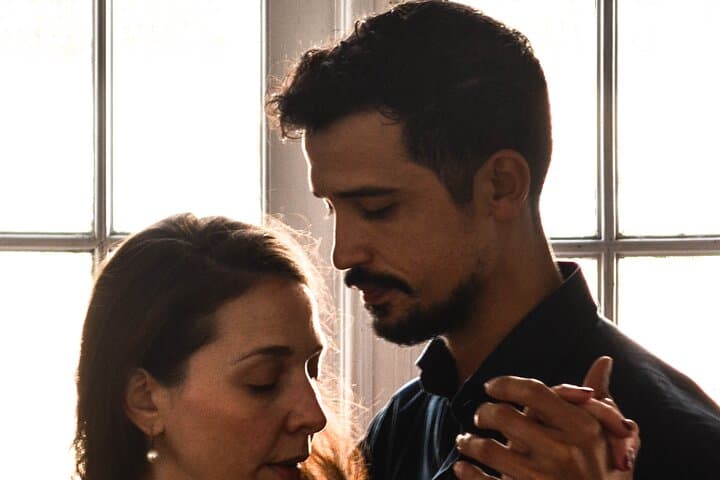
The room is warm with low light and the scrape of shoes on wood; two local pros take your hand and guide you into the compact, close world of Argentine tango. In a small studio near San Telmo or a tucked-away milonga, the lesson begins with posture and connection — how weight moves between partners and how silence on the floor becomes music.
The room is warm with low light and the scrape of shoes on wood; two local pros take your hand and guide you into the compact, close world of Argentine tango. In a small studio near San Telmo or a tucked-away milonga, the lesson begins with posture and connection — how weight moves between partners and how silence on the floor becomes music.
Tango was born in Buenos Aires' port neighborhoods in the late 19th and early 20th centuries, shaped by European immigrants, criollo rhythms, and the city's working-class cafés. The modern porteño scene still carries that layered history: old guard salons, contemporary tango shows, and neighborhood milongas where etiquette is as important as steps. The city's flat pampas plain meets the Río de la Plata estuary here, so you feel the urban geometry more than alpine drama — streets, plazas, and historic cafés set the stage.
Expect a focused 90-minute class that balances technique (embrace, ochos, basic caminada) with cultural context: learning the etiquette of milongas, hearing tango's phrasing, and optional introductions to nearby parlors for live music.
Practical guidance: wear flexible shoes with a smooth or suede sole, hydrate, and arrive 10–15 minutes early. The pace adapts to beginners through intermediate dancers; the experience is social as much as instructional. Reserve in advance for smaller groups and request a milonga pass if you want to practice among locals after class.