THE ADVENTURE COLLECTIVE® · Independent discovery and booking for outdoor travel

Spend two hours learning mate, lunfardo, gestures and cuarteto dance in a private Buenos Aires workshop. Practical, interactive and wheelchair accessible — perfect for visitors short on time who want to experience Argentine social life.
Spend two hours learning mate, lunfardo, gestures and cuarteto dance in a private Buenos Aires workshop. Practical, interactive and wheelchair accessible — perfect for visitors short on time who want to experience Argentine social life.
You enter a bright, conversational room in Buenos Aires where a steaming gourd of mate waits on the table and a teacher invites you to taste the city through gesture and sound.
Verified experiences and guided adventures in the surrounding area.
Operated by Flaneur Academy · Buenos Aires, Ciudad Autónoma de Buenos Aires
You enter a bright, conversational room in Buenos Aires where a steaming gourd of mate waits on the table and a teacher invites you to taste the city through gesture and sound.
The workshop compresses local rhythms into two hours: learning to brew mate, sampling alfajores, trying lunfardo slang, practicing typical hand gestures and dancing a Cordoban cuarteto step. Set in the capital — founded in the 16th century and shaped by waves of European immigration — the class pairs informal social history with hands-on practice so visitors leave with usable cultural tools rather than just facts.
Buenos Aires sits on the Río de la Plata estuary at the edge of the flat Pampas, a landscape that shaped the country’s gaucho and urban culture. The city’s neighborhoods — from the cobbled streets of San Telmo to the wide boulevards of Recoleta — provide the backdrop to the expressions you’ll study: gestures, football rituals, slang and music that traveled from Córdoba and beyond.
Practical guidance: sessions run weekdays in morning (10–12) and afternoon (16–18). No Spanish required; classes are private and accessible by public transport. Included are mate, coffee, alfajores, snacks, Wi‑Fi, an educational ebook and small discounts in the host’s virtual store. You can add an empanada tasting or a short Spanish test.
Bring curiosity, a charged phone for photos, and comfortable shoes for dancing. Arrive 10–15 minutes early to settle in and avoid rush‑hour transit. The experience is low‑impact physically but rich in social and linguistic detail — ideal for travelers who want to understand everyday Argentine life fast.
easy.
2 hours.
No special fitness required; light standing and simple dance moves involved
No — the workshop is designed for non‑Spanish speakers and uses demonstrations, translation and interactive practice.
Yes — the provider notes wheelchair access and accessible surfaces; check when booking if you need assistance.
The session includes mate (bitter or sweet), coffee, alfajores and sweet and salty snacks; you can add an empanada tasting for an extra fee.
Teenagers can participate; the activity is not intended for babies or very young children, and parents must sign a responsibility form for minors.
Buenos Aires’ modern identity was shaped by 19th–20th century European immigration, which influenced language, food and dance; cuarteto music originates in Córdoba province and became widely popular nationwide.
Support small local businesses for tastings and buy digital materials when possible to reduce printed waste; follow venue guidelines for food waste and recycling.
Flaneur Academy operates guided outdoor trips and adventures with an emphasis on safety, stewardship, and memorable experiences.
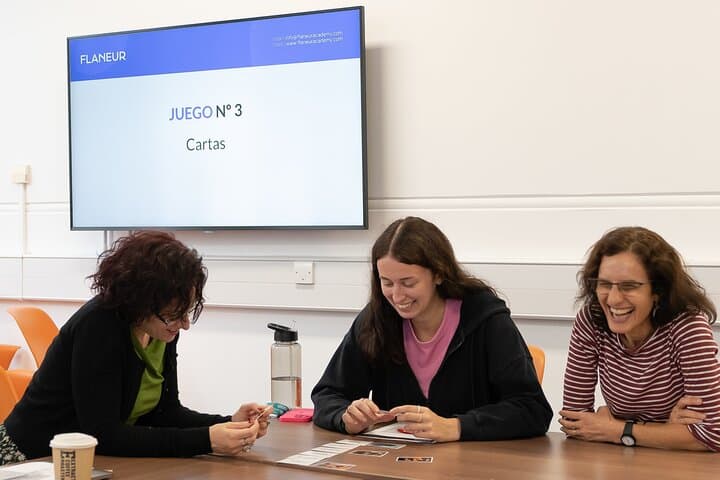
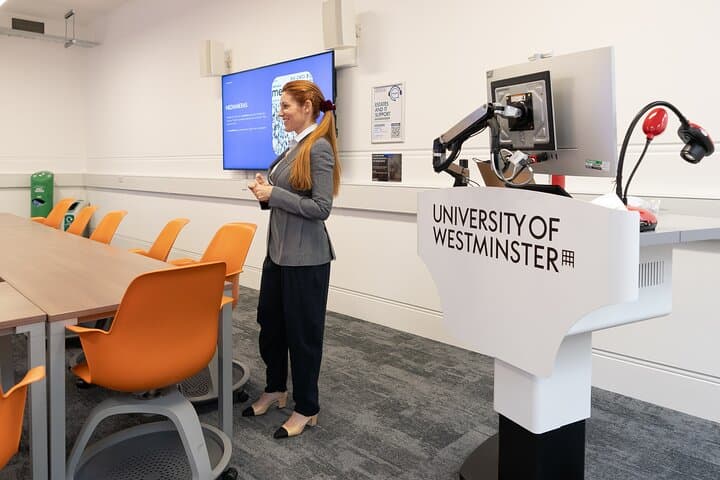
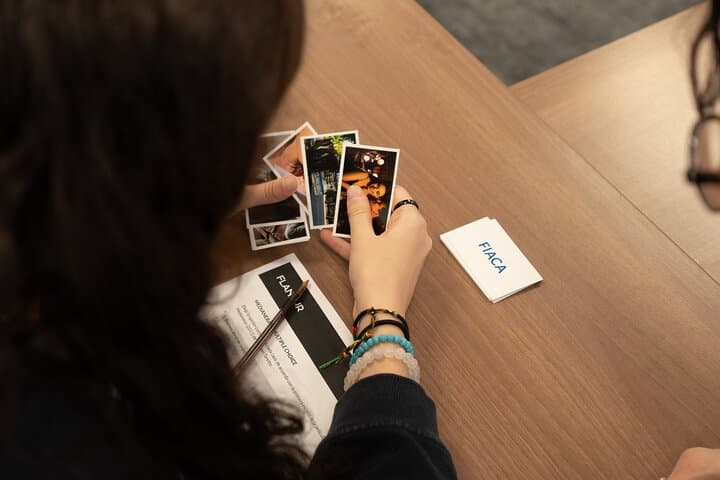
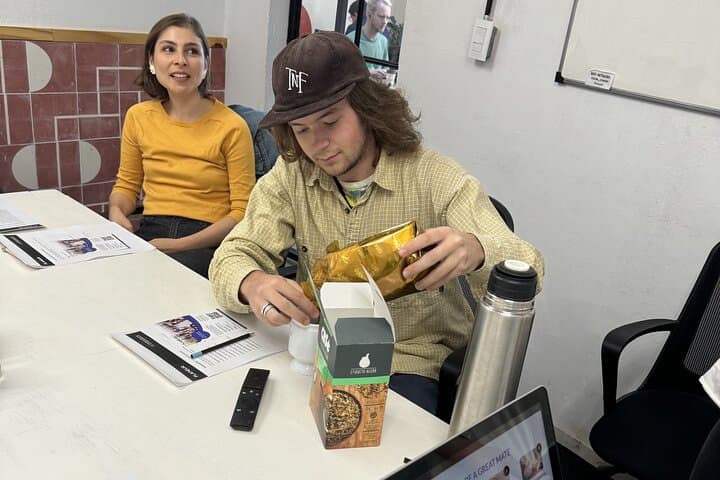
You enter a bright, conversational room in Buenos Aires where a steaming gourd of mate waits on the table and a teacher invites you to taste the city through gesture and sound.
You enter a bright, conversational room in Buenos Aires where a steaming gourd of mate waits on the table and a teacher invites you to taste the city through gesture and sound.
The workshop compresses local rhythms into two hours: learning to brew mate, sampling alfajores, trying lunfardo slang, practicing typical hand gestures and dancing a Cordoban cuarteto step. Set in the capital — founded in the 16th century and shaped by waves of European immigration — the class pairs informal social history with hands-on practice so visitors leave with usable cultural tools rather than just facts.
Buenos Aires sits on the Río de la Plata estuary at the edge of the flat Pampas, a landscape that shaped the country’s gaucho and urban culture. The city’s neighborhoods — from the cobbled streets of San Telmo to the wide boulevards of Recoleta — provide the backdrop to the expressions you’ll study: gestures, football rituals, slang and music that traveled from Córdoba and beyond.
Practical guidance: sessions run weekdays in morning (10–12) and afternoon (16–18). No Spanish required; classes are private and accessible by public transport. Included are mate, coffee, alfajores, snacks, Wi‑Fi, an educational ebook and small discounts in the host’s virtual store. You can add an empanada tasting or a short Spanish test.
Bring curiosity, a charged phone for photos, and comfortable shoes for dancing. Arrive 10–15 minutes early to settle in and avoid rush‑hour transit. The experience is low‑impact physically but rich in social and linguistic detail — ideal for travelers who want to understand everyday Argentine life fast.