THE ADVENTURE COLLECTIVE® · Independent discovery and booking for outdoor travel

Explore Buenos Aires in a focused, 4–5 hour circuit that hits Plaza de Mayo, San Telmo, La Boca and Recoleta with a professional guide, photo stops, and a dulce de leche tasting. Ideal for first-time visitors wanting history, architecture, and riverside panoramas.
Explore Buenos Aires in a focused, 4–5 hour circuit that hits Plaza de Mayo, San Telmo, La Boca and Recoleta with a professional guide, photo stops, and a dulce de leche tasting. Ideal for first-time visitors wanting history, architecture, and riverside panoramas.
A morning in Buenos Aires begins at Plaza de Mayo, where the Casa Rosada’s pale façade meets the square’s steady crowds. You move from the cobblestones of downtown into San Telmo’s colonial corners, tasting dulce de leche and watching tango dancers claim a sunlit street. The Río de la Plata reminds you the city grew from an estuary’s edge — the river pushing and reshaping docks that became Puerto Madero’s glass towers.
Verified experiences and guided adventures in the surrounding area.
Operated by Private Tours · Buenos Aires, Ciudad Autónoma de Buenos Aires
A morning in Buenos Aires begins at Plaza de Mayo, where the Casa Rosada’s pale façade meets the square’s steady crowds. You move from the cobblestones of downtown into San Telmo’s colonial corners, tasting dulce de leche and watching tango dancers claim a sunlit street. The Río de la Plata reminds you the city grew from an estuary’s edge — the river pushing and reshaping docks that became Puerto Madero’s glass towers.
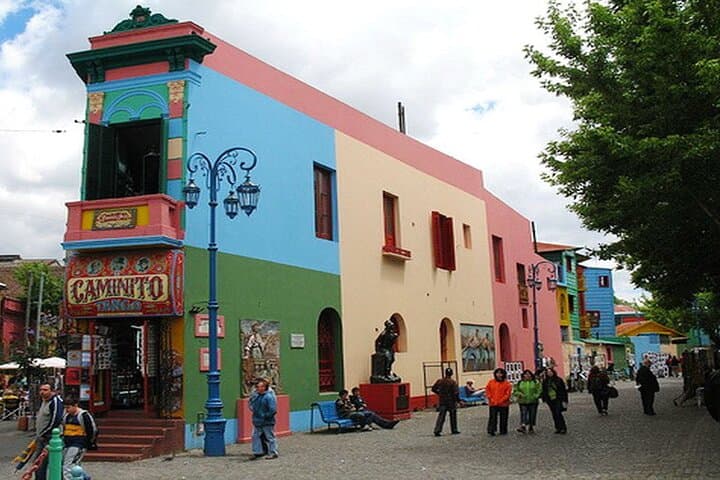
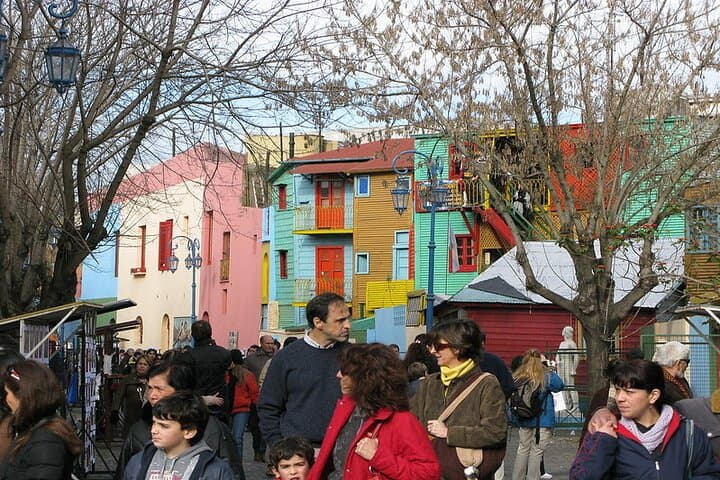
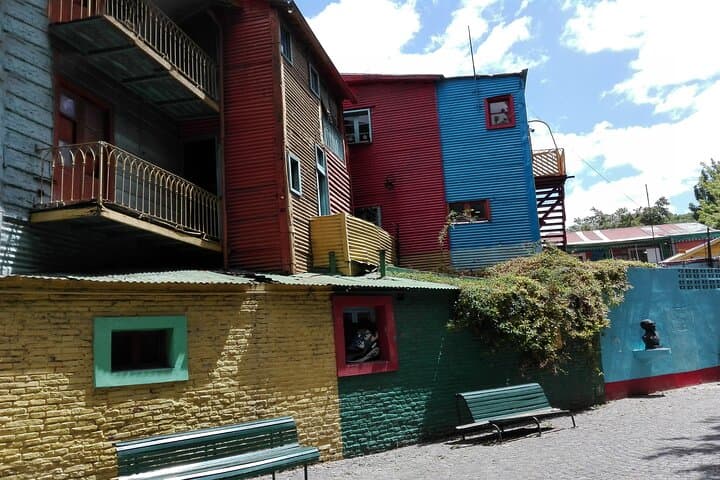
This guided loop stitches colonial history, mass immigration, and modern renewal. Casa Rosada and the Cabildo speak to 19th-century nation-building; La Boca records Italian working-class life in its painted sheets; Recoleta displays French-derived architecture and Argentina’s elite funerary art. Geology here is urban — reclaimed riverbank, landfill docks, and parks built on softer sediment near the shore — which is why the riverfront feels both expansive and fragile.
Culturally, the tour is shorthand for Porteño identity: cafés, street artists, and football fervor at Boca Juniors. Keep an eye on the Floralis Genérica — metal petals that open each morning — and the Puente de la Mujer that leans like a dancer mid-step.
Practical guidance: the itinerary covers about 4–5 hours with several short walks and six photo stops; comfortable shoes and sun protection make the day easier. Downtown pickup and drop-off simplify logistics, but allow extra time for traffic and occasional public demonstrations at Plaza de Mayo. Carry small local currency for snacks and a lightweight layer for riverfront breezes.
easy.
4–5 hours.
Light walking ability; suitable for most fitness levels with frequent stops
Yes — downtown hotels are included for pickup and drop-off as noted in the tour inclusions.
Guides typically speak Spanish and English; Portuguese may also be available — confirm at booking.
The tour is listed as wheelchair accessible, though collapsible chairs may require assistance during boarding — advise at booking.
No full meals are included; the tour includes a dulce de leche tasting and several photo stops where you can buy snacks.
Plaza de Mayo has been the site of Argentina’s major political demonstrations since the 19th century; La Boca reflects the Italian immigrant communities that shaped early Buenos Aires.
The riverfront and Reserva Ecológica are managed to protect wetlands and bird habitat; stick to paths, avoid feeding wildlife, and dispose of waste responsibly.
Private Tours operates guided outdoor trips and adventures with an emphasis on safety, stewardship, and memorable experiences.
A morning in Buenos Aires begins at Plaza de Mayo, where the Casa Rosada’s pale façade meets the square’s steady crowds. You move from the cobblestones of downtown into San Telmo’s colonial corners, tasting dulce de leche and watching tango dancers claim a sunlit street. The Río de la Plata reminds you the city grew from an estuary’s edge — the river pushing and reshaping docks that became Puerto Madero’s glass towers.
A morning in Buenos Aires begins at Plaza de Mayo, where the Casa Rosada’s pale façade meets the square’s steady crowds. You move from the cobblestones of downtown into San Telmo’s colonial corners, tasting dulce de leche and watching tango dancers claim a sunlit street. The Río de la Plata reminds you the city grew from an estuary’s edge — the river pushing and reshaping docks that became Puerto Madero’s glass towers.
This guided loop stitches colonial history, mass immigration, and modern renewal. Casa Rosada and the Cabildo speak to 19th-century nation-building; La Boca records Italian working-class life in its painted sheets; Recoleta displays French-derived architecture and Argentina’s elite funerary art. Geology here is urban — reclaimed riverbank, landfill docks, and parks built on softer sediment near the shore — which is why the riverfront feels both expansive and fragile.
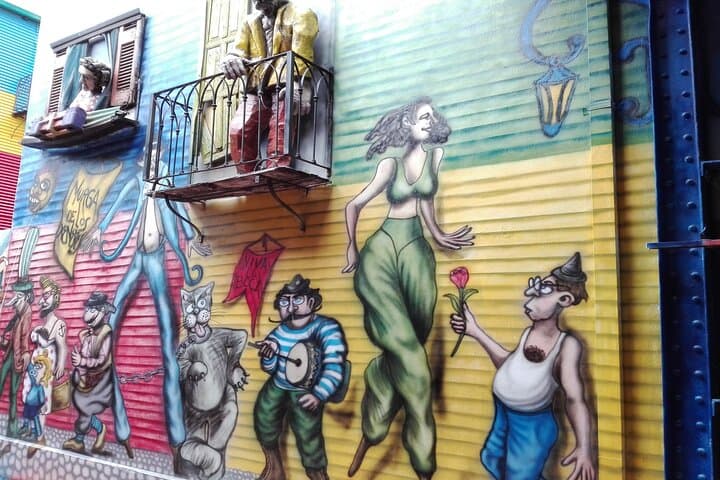
Culturally, the tour is shorthand for Porteño identity: cafés, street artists, and football fervor at Boca Juniors. Keep an eye on the Floralis Genérica — metal petals that open each morning — and the Puente de la Mujer that leans like a dancer mid-step.
Practical guidance: the itinerary covers about 4–5 hours with several short walks and six photo stops; comfortable shoes and sun protection make the day easier. Downtown pickup and drop-off simplify logistics, but allow extra time for traffic and occasional public demonstrations at Plaza de Mayo. Carry small local currency for snacks and a lightweight layer for riverfront breezes.