THE ADVENTURE COLLECTIVE® · Independent discovery and booking for outdoor travel

Taste authentic porteño barbecue on a guided walking tour through San Telmo and Palermo. Sample parrilla classics, empanadas, and artisanal helado while learning the culinary and neighborhood histories that shape Buenos Aires cuisine.
Taste authentic porteño barbecue on a guided walking tour through San Telmo and Palermo. Sample parrilla classics, empanadas, and artisanal helado while learning the culinary and neighborhood histories that shape Buenos Aires cuisine.
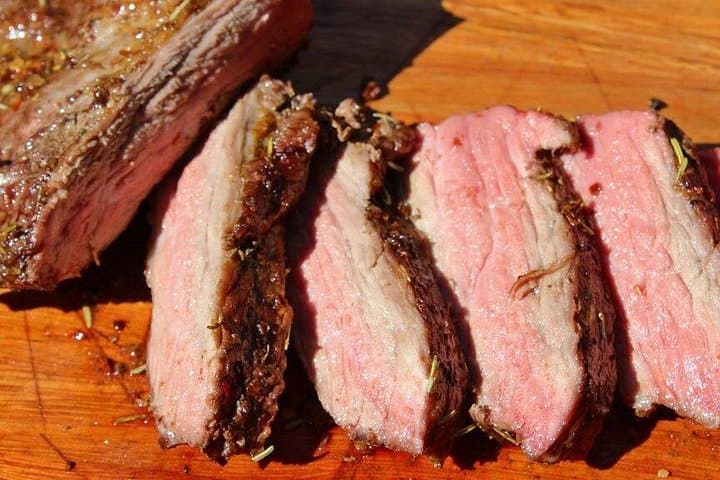
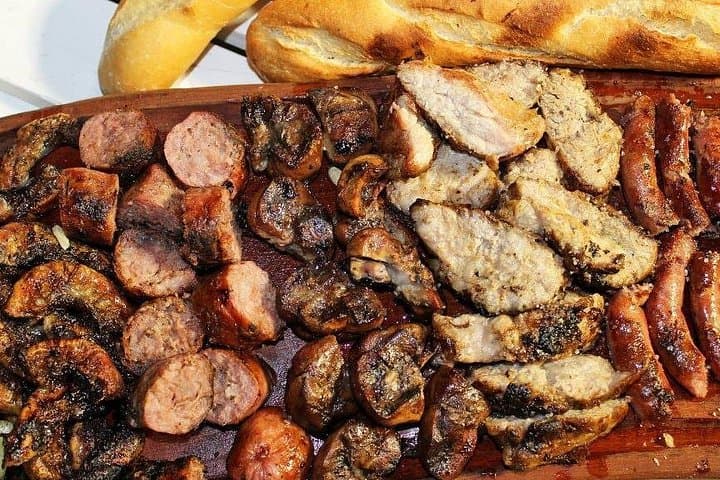
A midday sun warms cobbled streets as the group steps away from the market’s clatter into a narrow dining room where smoke and conversation have equal weight. The scent of asado hangs heavy; fat sizzles on iron grates and a guide, fluent in local food history, points out cuts and rituals that make Argentine barbecue more than a meal.
Verified experiences and guided adventures in the surrounding area.
Operated by Azul Latina Travel · Buenos Aires, Ciudad Autónoma de Buenos Aires
A midday sun warms cobbled streets as the group steps away from the market’s clatter into a narrow dining room where smoke and conversation have equal weight. The scent of asado hangs heavy; fat sizzles on iron grates and a guide, fluent in local food history, points out cuts and rituals that make Argentine barbecue more than a meal.
The parrilla tradition traces to 19th-century immigrant ranching and the gaucho culture that turned open-fire cooking into an art. Buenos Aires sits on the Río de la Plata’s broad sediment plain, so the city’s palate evolved on imported cattle breeds and neighborhood ovens rather than mountain game. San Telmo preserves colonial streets and butcher shops; Palermo offers tree-lined avenues and modern parrillas that riff on northern Argentine flavors.
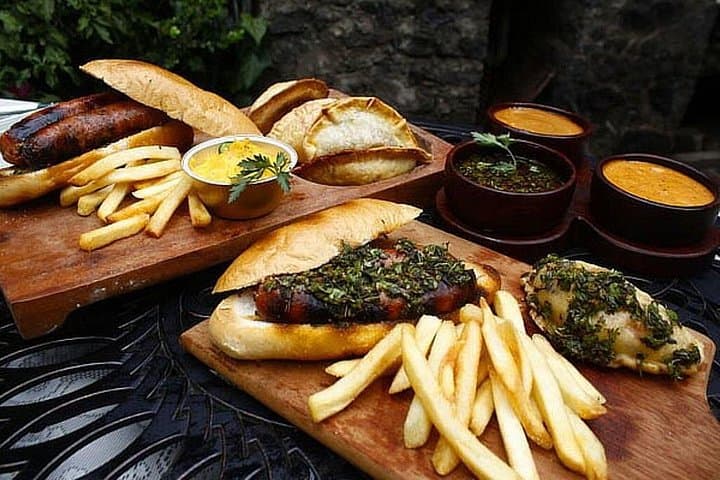
Expect a pragmatic social pace: small-group tastings at three neighborhood restaurants, explanations of cuts like bife and entraña, a provoleta starter, local Malbec, and an artisanal heladería finale. The guide explains neighborhood histories—how markets and soccer clubs shaped local dining—and points out where chefs source offal, empanadas, and handmade ice cream.
Practical note: this is a walking food tour of 2–3 hours with short distances between stops. Wear closed-toe walking shoes, budget time for lingering over plates, and pace wine tastings if you plan to continue exploring. Bring a reusable water bottle, and arrive hungry: portions are generous and meant for sharing. The experience is as much social anthropology as it is a taste test—an urban walk that teaches you how Buenos Aires eats.
easy.
2–3 hours.
Suitable for most fitness levels; involves standing and short urban walks between stops.
The tour lasts about 2–3 hours with short walks of a few blocks between three restaurants and one ice cream stop.
Yes—local wines and other beverages are included during the tastings as part of the experience.
The listing indicates wheelchair accessibility, though some older restaurants and cobblestone streets may present minor challenges—contact the operator to discuss specific needs.
Yes; notify the operator at booking so they can arrange alternatives when possible, but severe restrictions should be discussed in advance.
Parrilla culture grew from 19th-century cattle ranching and Italian/Spanish immigrant kitchens, forming Buenos Aires’ distinctive meat-centric cuisine.
Choose stops that source meat responsibly when possible and minimize waste—bring a reusable bottle and avoid single-use plastics.
Azul Latina Travel operates guided outdoor trips and adventures with an emphasis on safety, stewardship, and memorable experiences.

A midday sun warms cobbled streets as the group steps away from the market’s clatter into a narrow dining room where smoke and conversation have equal weight. The scent of asado hangs heavy; fat sizzles on iron grates and a guide, fluent in local food history, points out cuts and rituals that make Argentine barbecue more than a meal.
A midday sun warms cobbled streets as the group steps away from the market’s clatter into a narrow dining room where smoke and conversation have equal weight. The scent of asado hangs heavy; fat sizzles on iron grates and a guide, fluent in local food history, points out cuts and rituals that make Argentine barbecue more than a meal.
The parrilla tradition traces to 19th-century immigrant ranching and the gaucho culture that turned open-fire cooking into an art. Buenos Aires sits on the Río de la Plata’s broad sediment plain, so the city’s palate evolved on imported cattle breeds and neighborhood ovens rather than mountain game. San Telmo preserves colonial streets and butcher shops; Palermo offers tree-lined avenues and modern parrillas that riff on northern Argentine flavors.
Expect a pragmatic social pace: small-group tastings at three neighborhood restaurants, explanations of cuts like bife and entraña, a provoleta starter, local Malbec, and an artisanal heladería finale. The guide explains neighborhood histories—how markets and soccer clubs shaped local dining—and points out where chefs source offal, empanadas, and handmade ice cream.
Practical note: this is a walking food tour of 2–3 hours with short distances between stops. Wear closed-toe walking shoes, budget time for lingering over plates, and pace wine tastings if you plan to continue exploring. Bring a reusable water bottle, and arrive hungry: portions are generous and meant for sharing. The experience is as much social anthropology as it is a taste test—an urban walk that teaches you how Buenos Aires eats.