THE ADVENTURE COLLECTIVE® · Independent discovery and booking for outdoor travel

Join a local tango expert for a lesson then enter a real milonga in Buenos Aires. This small-group outing combines technique, etiquette, transfers, and a chance to dance with locals.
Join a local tango expert for a lesson then enter a real milonga in Buenos Aires. This small-group outing combines technique, etiquette, transfers, and a chance to dance with locals.
Stepping into a Buenos Aires milonga is stepping into a room where the city’s pulse slows to the heartbeat of the bandoneón. In this small-group experience, guests meet an expert who guides them through basic steps, the milonga codes, and the social etiquette that shapes every dance floor here.
Verified experiences and guided adventures in the surrounding area.
Operated by Immersion Tours · Buenos Aires, Buenos Aires
Stepping into a Buenos Aires milonga is stepping into a room where the city’s pulse slows to the heartbeat of the bandoneón. In this small-group experience, guests meet an expert who guides them through basic steps, the milonga codes, and the social etiquette that shapes every dance floor here.
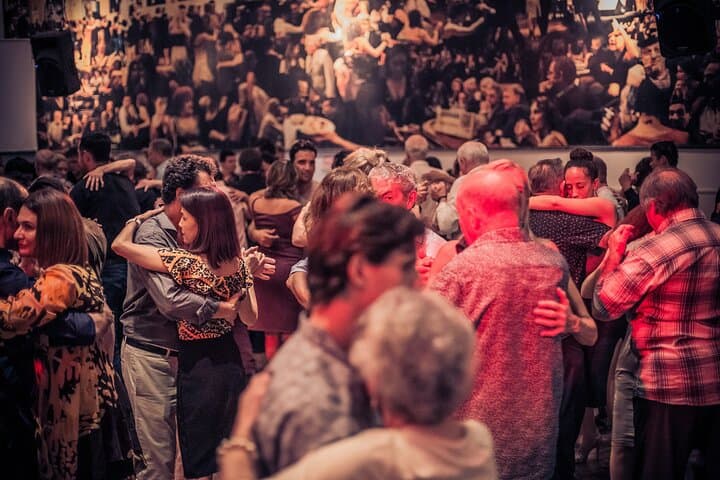
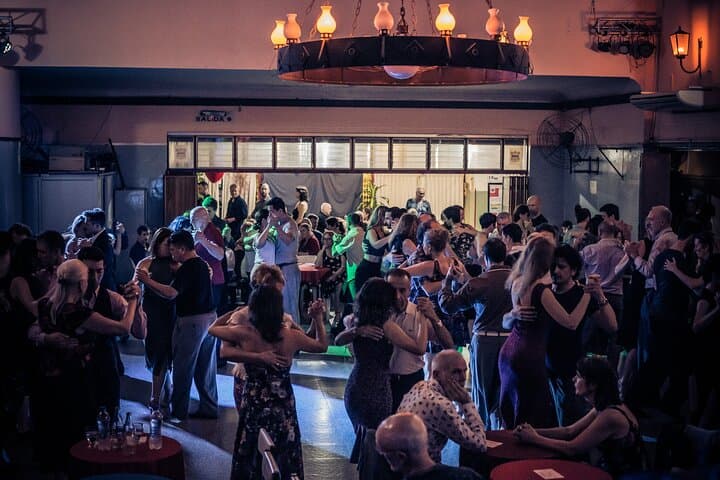
Tango emerged in the late 19th century along the port and working-class neighborhoods of Buenos Aires, a hybrid born of immigrant rhythms and local porteño expression. Milongas preserve those conventions: the cabeceo (a nod to invite), the abrazo (close frame), and the quiet respect between tandas. Geology isn’t part of the dance, but the urban architecture — tiled floors, worn wooden stages, and low-ceiling salons — directs the movement; surfaces and space influence technique.
Expect a focused lesson followed by a chance to join locals: the tour is about 3 hours 45 minutes, capped at 12 people, and includes transfers, entrance, one drink, and a tango expert to explain traditions. Practicalities matter: many milongas accept cash for food, port pickups aren’t available, and you’ll use a mobile ticket.
For visitors, plan comfortable yet elegant footwear (leather or suede soles), bring ID and small bills, and arrive ready to listen and watch before stepping in. Pace yourself: milongas run late and the best learning comes from quiet observation as much as the class. Whether you want the first steps or to refine your embrace, this is a direct route into Buenos Aires’ living tango culture.
easy.
3–4 hours.
Suitable for all fitness levels; requires standing and light walking during transfers and on the dance floor
No. The lesson covers basic steps and etiquette; dancers of all levels are welcome.
Yes—hotel pickup and drop-off are included for most central Buenos Aires locations, but pickup from the port is not available.
Milongas typically run late into the night; this tour lasts about 3 hours 45 minutes, combining lesson and social dancing time.
No. The tour accommodates solo travelers and couples; partners are not required.
Tango developed in late 19th-century port neighborhoods of Buenos Aires and Montevideo; milongas preserve social codes that governed partner selection and musical phrasing.
Support small local venues by buying drinks or food and travel softly—manage noise and waste late at night and prefer venues that reuse linens and reduce single-use plastics.
Immersion Tours operates guided outdoor trips and adventures with an emphasis on safety, stewardship, and memorable experiences.
Stepping into a Buenos Aires milonga is stepping into a room where the city’s pulse slows to the heartbeat of the bandoneón. In this small-group experience, guests meet an expert who guides them through basic steps, the milonga codes, and the social etiquette that shapes every dance floor here.
Stepping into a Buenos Aires milonga is stepping into a room where the city’s pulse slows to the heartbeat of the bandoneón. In this small-group experience, guests meet an expert who guides them through basic steps, the milonga codes, and the social etiquette that shapes every dance floor here.
Tango emerged in the late 19th century along the port and working-class neighborhoods of Buenos Aires, a hybrid born of immigrant rhythms and local porteño expression. Milongas preserve those conventions: the cabeceo (a nod to invite), the abrazo (close frame), and the quiet respect between tandas. Geology isn’t part of the dance, but the urban architecture — tiled floors, worn wooden stages, and low-ceiling salons — directs the movement; surfaces and space influence technique.
Expect a focused lesson followed by a chance to join locals: the tour is about 3 hours 45 minutes, capped at 12 people, and includes transfers, entrance, one drink, and a tango expert to explain traditions. Practicalities matter: many milongas accept cash for food, port pickups aren’t available, and you’ll use a mobile ticket.
For visitors, plan comfortable yet elegant footwear (leather or suede soles), bring ID and small bills, and arrive ready to listen and watch before stepping in. Pace yourself: milongas run late and the best learning comes from quiet observation as much as the class. Whether you want the first steps or to refine your embrace, this is a direct route into Buenos Aires’ living tango culture.