THE ADVENTURE COLLECTIVE® · Independent discovery and booking for outdoor travel

See Buenos Aires’ most iconic neighborhoods on foot — from the political heart of Plaza de Mayo to La Boca’s painted streets and Recoleta’s marble cemeteries. This focused three-hour walk balances history, culture, and practical local tips.
See Buenos Aires’ most iconic neighborhoods on foot — from the political heart of Plaza de Mayo to La Boca’s painted streets and Recoleta’s marble cemeteries. This focused three-hour walk balances history, culture, and practical local tips.
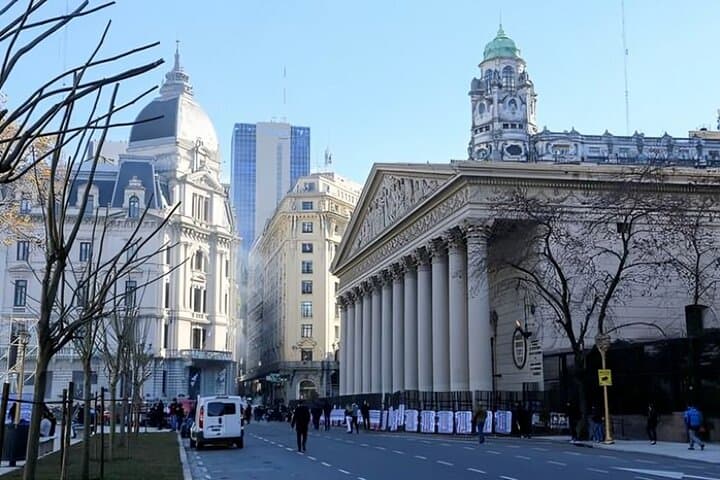
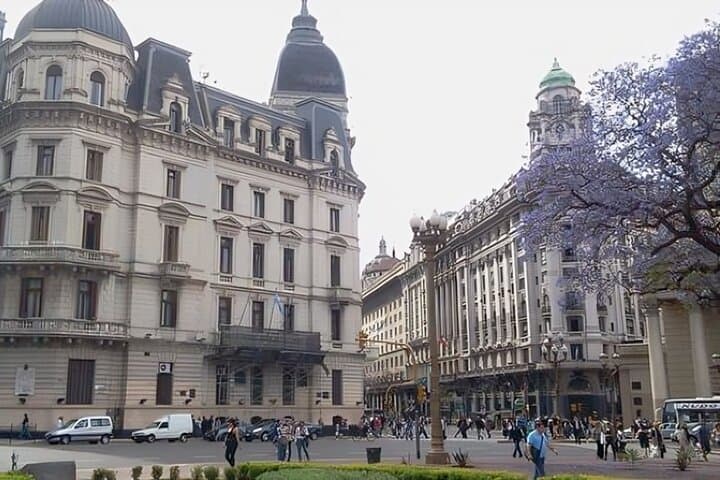
You step out into Plaza de Mayo and the city pulls at you — the Casa Rosada’s pink façade watches like a patient host, Avenida de Mayo stretches like an old boulevard of ideas, and the cobbles of San Telmo seem to carry the weight of a hundred tangos.
Verified experiences and guided adventures in the surrounding area.
Operated by Guydeez · Buenos Aires, Buenos Aires
You step out into Plaza de Mayo and the city pulls at you — the Casa Rosada’s pink façade watches like a patient host, Avenida de Mayo stretches like an old boulevard of ideas, and the cobbles of San Telmo seem to carry the weight of a hundred tangos.
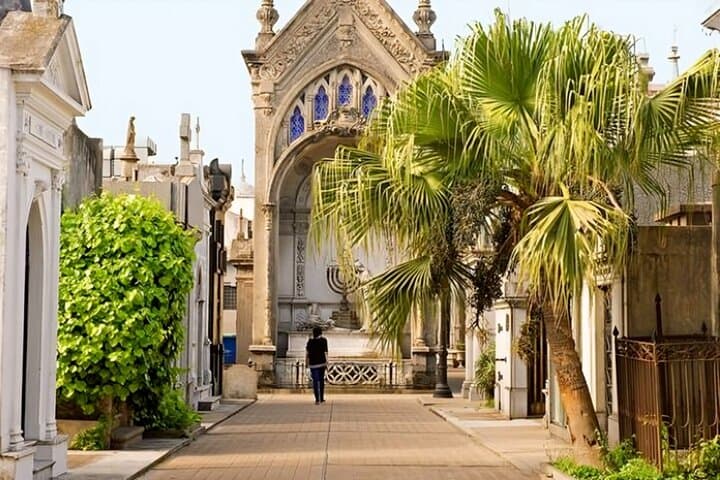
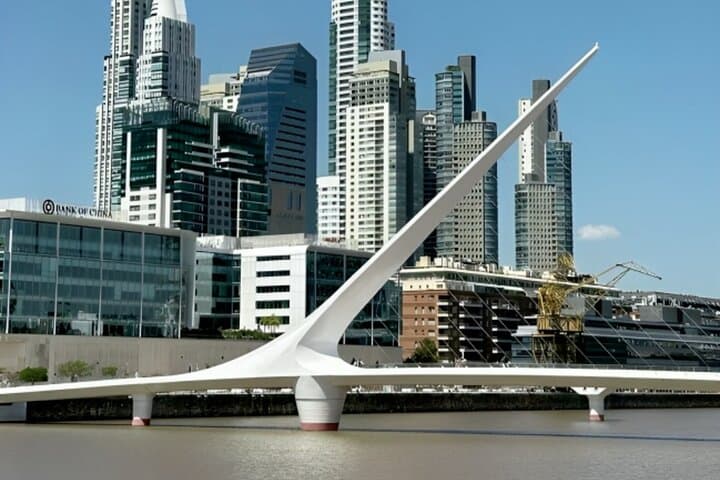
This three-hour walking tour threads through Buenos Aires’ defining chapters: a colonial port built on Río de la Plata sediments, waves of Italian and Spanish immigration that colored La Boca’s houses, and the elegant Recoleta where Argentina’s political and cultural struggles are carved in marble. The urban geology is subtle — reclaimed riverbank and pampas clay underfoot — but the cultural layers are obvious: football chants at La Bombonera, street tangos in shadowed alleys, and modern glass at Puerto Madero pushing back against the old city.
Local guides bring context: why Plaza de Mayo became a stage for protest, how immigrant workshops seeded San Telmo’s antique markets, and where locals slip away to the Reserva Ecológica for a bird fix. Expect lively neighborhoods, short blocks of uneven pavement, and photo stops rather than inside monument access.
Practical edge: wear sturdy walking shoes, carry water and a small umbrella, and plan the walk mid-morning to avoid peak heat and market crowds. Mobility-friendly options exist and the route is customizable to your interests — food, football, or history. With a good guide you’ll leave with orientation, neighborhood tips for dinner, and a clear sense of how Buenos Aires grew from port to pulsing metropolis.
easy.
3 hours.
Suitable for anyone comfortable walking up to 3 hours with short breaks; minimal elevation change.
This walking tour focuses on exterior highlights and neighborhood context; entry to paid attractions is not included but can often be arranged or suggested by your guide.
Many parts of the route are flat and accessible, but cobblestones in San Telmo and some streets may be challenging — contact the operator for specific accessibility options.
Guides are commonly available in English and Spanish, with occasional French and Italian — check availability when booking.
Tipping is customary in Argentina; a modest tip based on satisfaction is appreciated and often shared with local staff.
Buenos Aires grew as a strategic Atlantic port; Plaza de Mayo has been the political stage since colonial times and La Boca reflects its immigrant origins tied to shipyards and football.
Stick to marked paths in the Reserva Ecológica, avoid feeding wildlife, and support local artisans and family-run cafés to keep tourism benefits local.
Guydeez operates guided outdoor trips and adventures with an emphasis on safety, stewardship, and memorable experiences.
You step out into Plaza de Mayo and the city pulls at you — the Casa Rosada’s pink façade watches like a patient host, Avenida de Mayo stretches like an old boulevard of ideas, and the cobbles of San Telmo seem to carry the weight of a hundred tangos.
You step out into Plaza de Mayo and the city pulls at you — the Casa Rosada’s pink façade watches like a patient host, Avenida de Mayo stretches like an old boulevard of ideas, and the cobbles of San Telmo seem to carry the weight of a hundred tangos.
This three-hour walking tour threads through Buenos Aires’ defining chapters: a colonial port built on Río de la Plata sediments, waves of Italian and Spanish immigration that colored La Boca’s houses, and the elegant Recoleta where Argentina’s political and cultural struggles are carved in marble. The urban geology is subtle — reclaimed riverbank and pampas clay underfoot — but the cultural layers are obvious: football chants at La Bombonera, street tangos in shadowed alleys, and modern glass at Puerto Madero pushing back against the old city.
Local guides bring context: why Plaza de Mayo became a stage for protest, how immigrant workshops seeded San Telmo’s antique markets, and where locals slip away to the Reserva Ecológica for a bird fix. Expect lively neighborhoods, short blocks of uneven pavement, and photo stops rather than inside monument access.
Practical edge: wear sturdy walking shoes, carry water and a small umbrella, and plan the walk mid-morning to avoid peak heat and market crowds. Mobility-friendly options exist and the route is customizable to your interests — food, football, or history. With a good guide you’ll leave with orientation, neighborhood tips for dinner, and a clear sense of how Buenos Aires grew from port to pulsing metropolis.