THE ADVENTURE COLLECTIVE® · Independent discovery and booking for outdoor travel

Get lost deliberately through Parque Chas’s maze-like streets and find unexpected calm in Agronomía Park on a two-hour guided walk. This accessible tour mixes neighborhood architecture, literary history and urban nature with practical local insight.
Get lost deliberately through Parque Chas’s maze-like streets and find unexpected calm in Agronomía Park on a two-hour guided walk. This accessible tour mixes neighborhood architecture, literary history and urban nature with practical local insight.
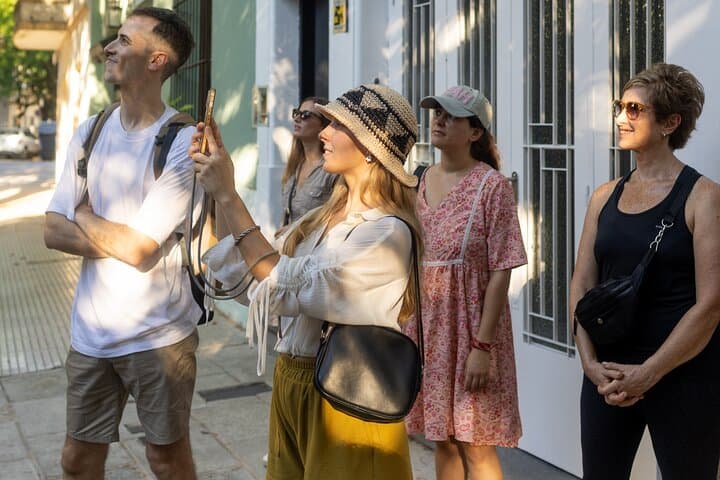
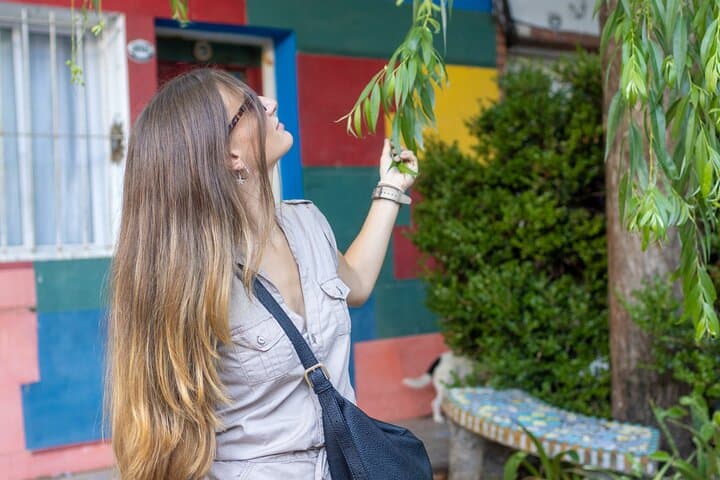
You step off the tram into a small maze of streets where façades tilt and murals catch the corner of your eye; Parque Chas doesn’t announce itself so much as invite you to get lost. The guide threads you through narrow avenues, pointing out unexpected corners where tile-work, tile mosaics and local graffiti fold into the domestic architecture.
Verified experiences and guided adventures in the surrounding area.
Operated by BAHiddenWonders · Buenos Aires, Buenos Aires
You step off the tram into a small maze of streets where façades tilt and murals catch the corner of your eye; Parque Chas doesn’t announce itself so much as invite you to get lost. The guide threads you through narrow avenues, pointing out unexpected corners where tile-work, tile mosaics and local graffiti fold into the domestic architecture.
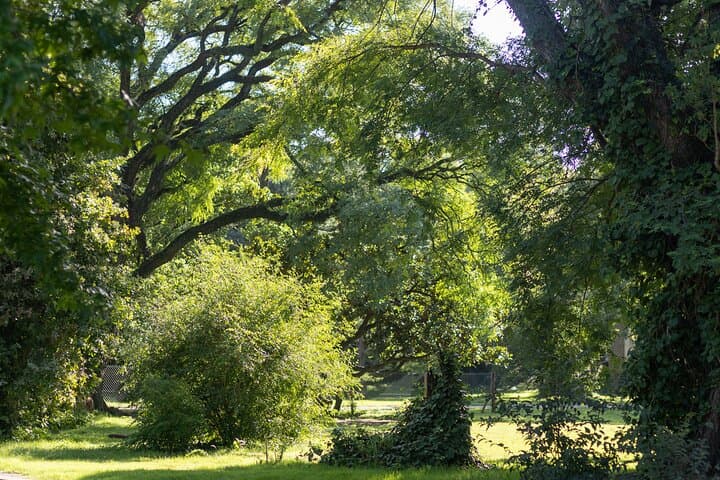
The neighborhood’s irregular grid—an urban puzzle that grew outside Buenos Aires’ traditional orthogonal plan—has long attracted writers and cineastes. Nearby Agronomía Park, once part of the university’s agricultural campus, offers the calm of wide lawns, mature trees and low wetlands where city birds take refuge. The tour weaves literary notes—Julio Cortázar figures in local lore—alongside civic history and the architecture of working-class Buenos Aires.
Practicalities are straightforward: this is a two-hour, mostly flat walking experience suitable for most fitness levels and fully wheelchair accessible; wear comfortable shoes, bring a water bottle, and carry a light layer for changing weather. Public transit drops you close to both start points, and small-group sizes keep the pace conversational. Guides offer context on local customs, neighborhood craftsmen, and why certain squares feel frozen in time.
Tipping is customary and encouraged; private language options (French or Italian) are available for groups of four or more by request. Expect friendly, urban-scale green spaces rather than heavy wilderness—this is about discovery, texture and the slow pleasures of an unexpected city park.
easy.
2 hours.
Suitable for most people who can walk at a steady pace for 90–120 minutes; minimal elevation change.
Yes—routes are planned on accessible sidewalks and park paths without staircases; operators note wheelchair and stroller accessibility.
Shared tours cap at about 20 travelers, which keeps the pace conversational and easy to follow.
No admissions or meals are included; the tour focuses on streets, squares and parkland that are free to enter.
Private tours can be arranged in French or Italian for groups of four or more—request this when booking and confirm availability with the operator.
Parque Chas grew as an irregular, almost radial neighborhood outside Buenos Aires’ standard grid and became known for its intimate streets and local culture; Agronomía Park originates from the university’s agricultural lands and has long served as a green pocket for the city.
Agronomía Park functions as an urban green lung—stick to paths, carry out litter, and avoid feeding wildlife to protect local birds and wetland habitats.
BAHiddenWonders operates guided outdoor trips and adventures with an emphasis on safety, stewardship, and memorable experiences.

You step off the tram into a small maze of streets where façades tilt and murals catch the corner of your eye; Parque Chas doesn’t announce itself so much as invite you to get lost. The guide threads you through narrow avenues, pointing out unexpected corners where tile-work, tile mosaics and local graffiti fold into the domestic architecture.
You step off the tram into a small maze of streets where façades tilt and murals catch the corner of your eye; Parque Chas doesn’t announce itself so much as invite you to get lost. The guide threads you through narrow avenues, pointing out unexpected corners where tile-work, tile mosaics and local graffiti fold into the domestic architecture.
The neighborhood’s irregular grid—an urban puzzle that grew outside Buenos Aires’ traditional orthogonal plan—has long attracted writers and cineastes. Nearby Agronomía Park, once part of the university’s agricultural campus, offers the calm of wide lawns, mature trees and low wetlands where city birds take refuge. The tour weaves literary notes—Julio Cortázar figures in local lore—alongside civic history and the architecture of working-class Buenos Aires.
Practicalities are straightforward: this is a two-hour, mostly flat walking experience suitable for most fitness levels and fully wheelchair accessible; wear comfortable shoes, bring a water bottle, and carry a light layer for changing weather. Public transit drops you close to both start points, and small-group sizes keep the pace conversational. Guides offer context on local customs, neighborhood craftsmen, and why certain squares feel frozen in time.
Tipping is customary and encouraged; private language options (French or Italian) are available for groups of four or more by request. Expect friendly, urban-scale green spaces rather than heavy wilderness—this is about discovery, texture and the slow pleasures of an unexpected city park.