THE ADVENTURE COLLECTIVE® · Independent discovery and booking for outdoor travel

Cover Buenos Aires’ signature neighborhoods in a single half-day: Palermo’s modern art, Recoleta’s stately cemetery, San Telmo’s market energy, and the colorful Caminito in La Boca. This guided circuit pairs compact logistics with local stories and photo-ready stops.
Cover Buenos Aires’ signature neighborhoods in a single half-day: Palermo’s modern art, Recoleta’s stately cemetery, San Telmo’s market energy, and the colorful Caminito in La Boca. This guided circuit pairs compact logistics with local stories and photo-ready stops.
Morning light slides across Avenida 9 de Julio and the city wakes in copper and concrete. On this half-day route, streets breathe history: a guide points out the Obelisk as traffic hums, trampling footsteps echo in the stone courtyards of Recoleta, and the riverfront in Puerto Madero glints like a promise.
Verified experiences and guided adventures in the surrounding area.
Operated by Que Hacer en Buenos Aires · Buenos Aires, Ciudad Autónoma de Buenos Aires
Morning light slides across Avenida 9 de Julio and the city wakes in copper and concrete. On this half-day route, streets breathe history: a guide points out the Obelisk as traffic hums, trampling footsteps echo in the stone courtyards of Recoleta, and the riverfront in Puerto Madero glints like a promise.
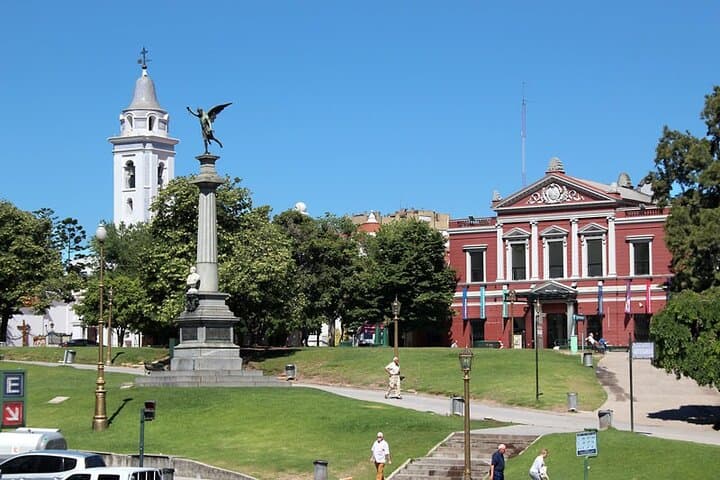
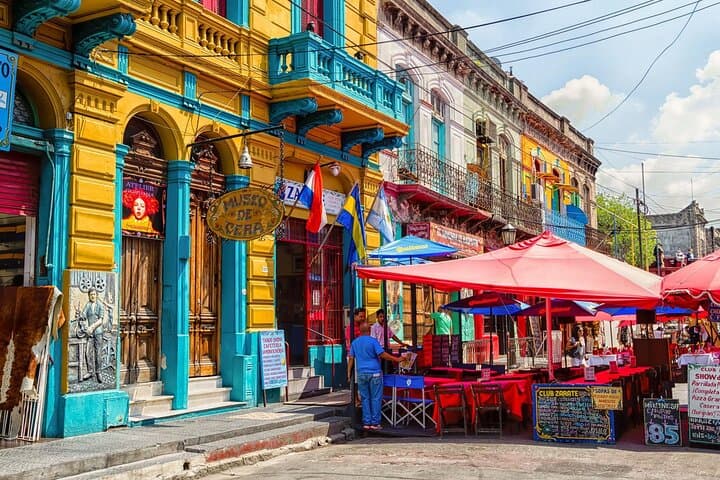
The tour stitches neighborhoods with different pasts. Recoleta’s cemetery reveals 19th-century elites and European funerary sculpture; Palermo’s Floralis Genérica — a steel flower that opens and closes with the sun — speaks to modern urban design. San Telmo and La Boca are immigrant stories in color: Caminito’s painted conventillos recall Italian and Spanish neighborhoods, while Boca Juniors’ Bombonera pulses with football lore. Geologically, the city sits on the Río de la Plata’s broad estuary, its flat plains shaped by sediment and human fill — which is why the waterfront feels expansive and always slightly in motion.
Culturally, expect a blend of porteño pride: impromptu tango steps in cobblestone alleys, coffee rituals, and robust conversation at market stalls. Practical rhythm: this is a walking-and-ride tour — bring comfortable shoes, a light jacket for breezy river mornings, and a small daypack. Peak photos are early to mid-morning for softer light and fewer crowds; afternoons in La Boca can be busy and hot in summer.
Logistics are straightforward: air-conditioned transport between stops, a guide to contextualize sites, and an optional lunch in Puerto Madero. For first-time visitors, the route is an efficient primer on Buenos Aires’ layered identity.
easy.
5 hours.
Suitable for most fitness levels; involves getting on/off a vehicle and short walks up to 60 minutes at a time.
Pickup options vary; the booking asks for a pickup point—confirm details with the operator when reserving.
Lunch is optional depending on the ticket type; choose the option that includes a meal if you want to dine in Puerto Madero.
Yes; the itinerary is rated easy with short walks and vehicle transfers, but let the operator know any mobility needs ahead of time.
Guides commonly speak Spanish and often English; check the product listing or ask at booking for confirmed language availability.
Plaza de Mayo is the city’s historical core where Buenos Aires developed around colonial administration; La Boca grew from late 19th-century immigrant communities tied to the port.
Respect heritage sites by staying on designated paths and avoid touching cemetery monuments; support local guides and eateries to keep cultural tourism sustainable.
Que Hacer en Buenos Aires operates guided outdoor trips and adventures with an emphasis on safety, stewardship, and memorable experiences.
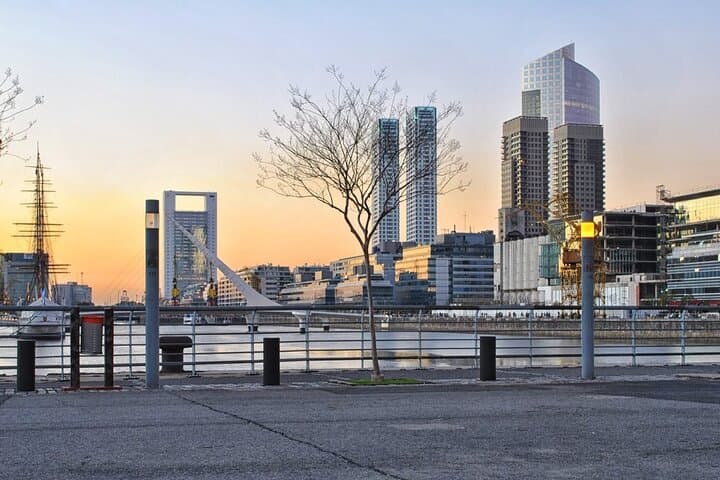
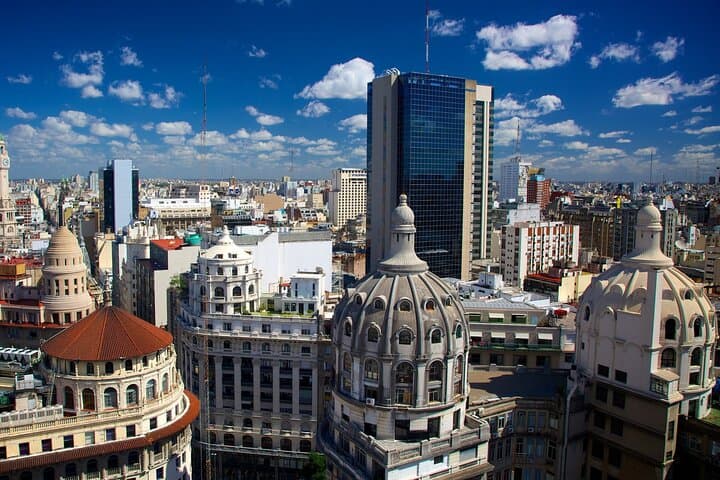
Morning light slides across Avenida 9 de Julio and the city wakes in copper and concrete. On this half-day route, streets breathe history: a guide points out the Obelisk as traffic hums, trampling footsteps echo in the stone courtyards of Recoleta, and the riverfront in Puerto Madero glints like a promise.
Morning light slides across Avenida 9 de Julio and the city wakes in copper and concrete. On this half-day route, streets breathe history: a guide points out the Obelisk as traffic hums, trampling footsteps echo in the stone courtyards of Recoleta, and the riverfront in Puerto Madero glints like a promise.
The tour stitches neighborhoods with different pasts. Recoleta’s cemetery reveals 19th-century elites and European funerary sculpture; Palermo’s Floralis Genérica — a steel flower that opens and closes with the sun — speaks to modern urban design. San Telmo and La Boca are immigrant stories in color: Caminito’s painted conventillos recall Italian and Spanish neighborhoods, while Boca Juniors’ Bombonera pulses with football lore. Geologically, the city sits on the Río de la Plata’s broad estuary, its flat plains shaped by sediment and human fill — which is why the waterfront feels expansive and always slightly in motion.
Culturally, expect a blend of porteño pride: impromptu tango steps in cobblestone alleys, coffee rituals, and robust conversation at market stalls. Practical rhythm: this is a walking-and-ride tour — bring comfortable shoes, a light jacket for breezy river mornings, and a small daypack. Peak photos are early to mid-morning for softer light and fewer crowds; afternoons in La Boca can be busy and hot in summer.
Logistics are straightforward: air-conditioned transport between stops, a guide to contextualize sites, and an optional lunch in Puerto Madero. For first-time visitors, the route is an efficient primer on Buenos Aires’ layered identity.