THE ADVENTURE COLLECTIVE® · Independent discovery and booking for outdoor travel

A conversational walking tour that uses Buenos Aires as a living classroom: trace the city’s founding, immigrant markets, Perón’s legacy and the memory of the desaparecidos. Ideal for travelers who want to ask, discuss and understand the streets they walk.
A conversational walking tour that uses Buenos Aires as a living classroom: trace the city’s founding, immigrant markets, Perón’s legacy and the memory of the desaparecidos. Ideal for travelers who want to ask, discuss and understand the streets they walk.
A cool morning on Avenida de Mayo pulls you into a city that speaks in layers: Latin rhythms at street level, plastered political posters at eye level, and the wide, brackish Río de la Plata daring you to look beyond the waterfront.
Verified experiences and guided adventures in the surrounding area.
Operated by Social & Cultural · Buenos Aires, Ciudad Autónoma de Buenos Aires
A cool morning on Avenida de Mayo pulls you into a city that speaks in layers: Latin rhythms at street level, plastered political posters at eye level, and the wide, brackish Río de la Plata daring you to look beyond the waterfront.
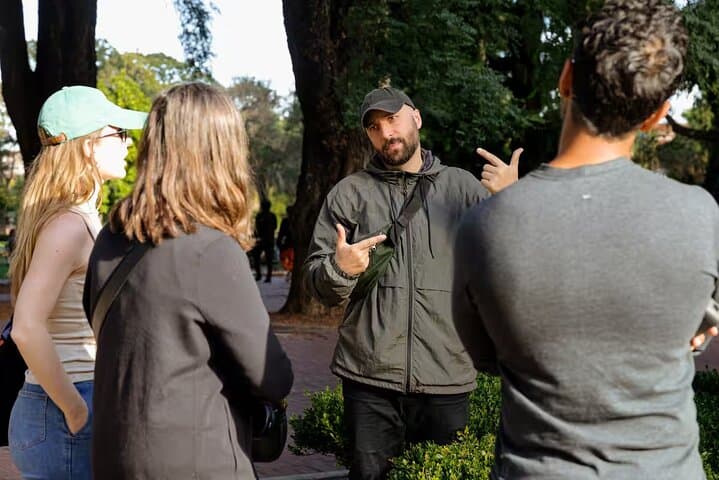
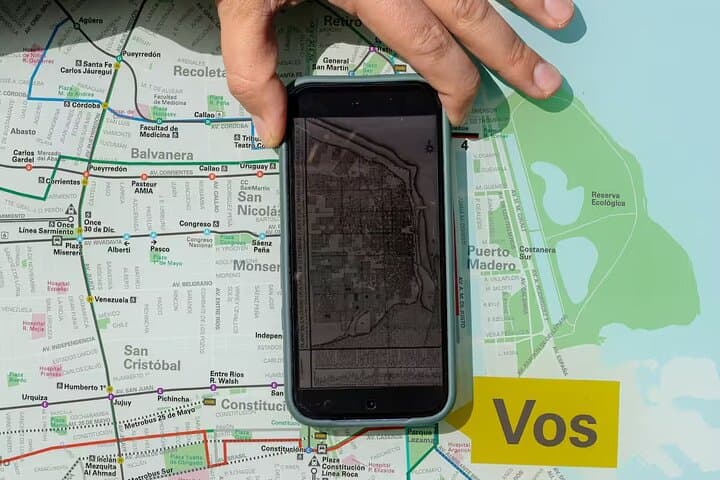
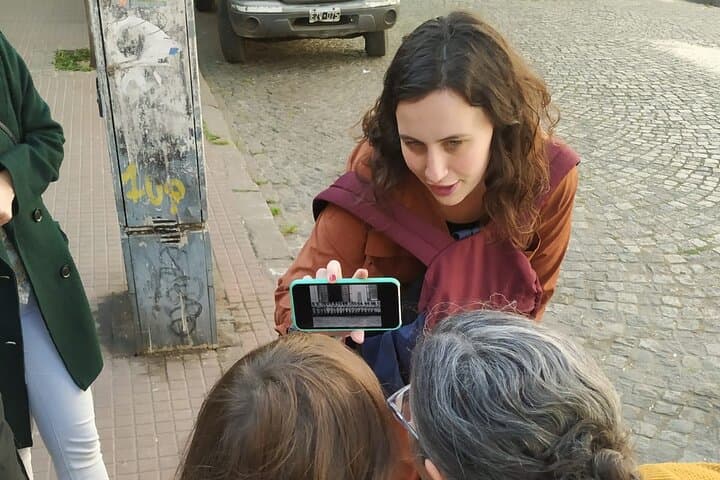
This 2–3 hour walk—starting at Bar Británico and moving through Plaza de Mayo, San Telmo market, the Swedish church and the Woman’s Bridge—uses the city itself as a guidebook. The route traces Buenos Aires’ 1536 fort origins, the waves of European immigration that reshaped neighborhoods, and the seismic politics of Perón and Evita. You’ll stop at a former clandestine detention center to confront the era of the desaparecidos and stand before the Casa Rosada where presidents have both rallied and divided the nation. Geology is subtle here: flat pampas sediments meet the river’s mudflats, and the port’s broad horizon has long shaped trade and identity.
Practical notes sit beside the history. The pace is gentle—cobbled streets and market aisles demand solid shoes and steady footing. Bring water, a small amount of cash for market snacks, and sun protection in summer; winter mornings are cooler and layered clothing works best. Guides hold university degrees and encourage questions—this is a conversation, not a lecture. Public transit and wheelchair access are available nearby, but expect narrow sidewalks in older blocks. Leave time to linger at a café, listen for the cotorra in leafy plazas, and let the city answer the questions you brought with it.
easy.
2–3 hours.
Suitable for most fitness levels; able to stand and walk for several hours with short breaks
The tour starts at Bar Británico (Avenida de Mayo) and finishes near the waterfront and Casa Rosada; exact meeting point is confirmed at booking.
Public transportation and parts of the route are wheelchair and stroller accessible, but expect some cobbled streets and narrow passages—contact the operator for specific accessibility arrangements.
This shared tour limits group size to small numbers to encourage conversation—check the booking for the exact maximum, typically under 10 participants.
Bookings typically offer guides who converse in Spanish and often English; confirm language availability when you reserve your spot.
Buenos Aires grew from a 1536 Spanish fort into a major immigrant port; 20th-century politics under Perón and the memory of the desaparecidos are central to the city's modern identity.
Historic sites and memorials are protected, but heavy foot traffic in older districts requires respectful behavior—avoid littering, stick to paths, and support local, sustainable businesses.
Social & Cultural operates guided outdoor trips and adventures with an emphasis on safety, stewardship, and memorable experiences.
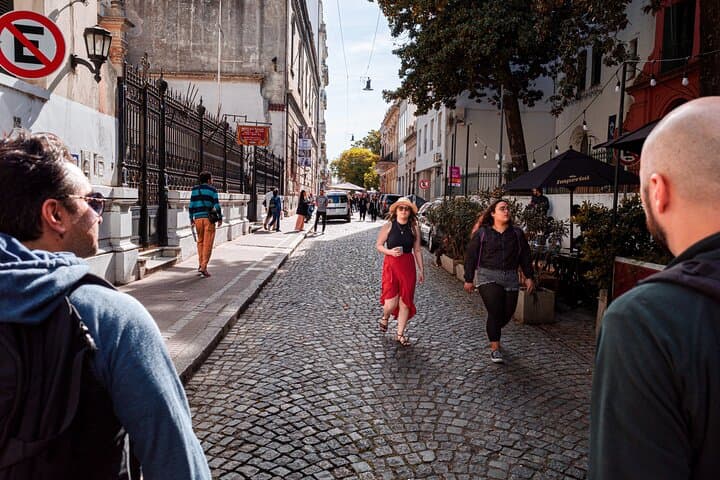
A cool morning on Avenida de Mayo pulls you into a city that speaks in layers: Latin rhythms at street level, plastered political posters at eye level, and the wide, brackish Río de la Plata daring you to look beyond the waterfront.
A cool morning on Avenida de Mayo pulls you into a city that speaks in layers: Latin rhythms at street level, plastered political posters at eye level, and the wide, brackish Río de la Plata daring you to look beyond the waterfront.
This 2–3 hour walk—starting at Bar Británico and moving through Plaza de Mayo, San Telmo market, the Swedish church and the Woman’s Bridge—uses the city itself as a guidebook. The route traces Buenos Aires’ 1536 fort origins, the waves of European immigration that reshaped neighborhoods, and the seismic politics of Perón and Evita. You’ll stop at a former clandestine detention center to confront the era of the desaparecidos and stand before the Casa Rosada where presidents have both rallied and divided the nation. Geology is subtle here: flat pampas sediments meet the river’s mudflats, and the port’s broad horizon has long shaped trade and identity.
Practical notes sit beside the history. The pace is gentle—cobbled streets and market aisles demand solid shoes and steady footing. Bring water, a small amount of cash for market snacks, and sun protection in summer; winter mornings are cooler and layered clothing works best. Guides hold university degrees and encourage questions—this is a conversation, not a lecture. Public transit and wheelchair access are available nearby, but expect narrow sidewalks in older blocks. Leave time to linger at a café, listen for the cotorra in leafy plazas, and let the city answer the questions you brought with it.