THE ADVENTURE COLLECTIVE® · Independent discovery and booking for outdoor travel

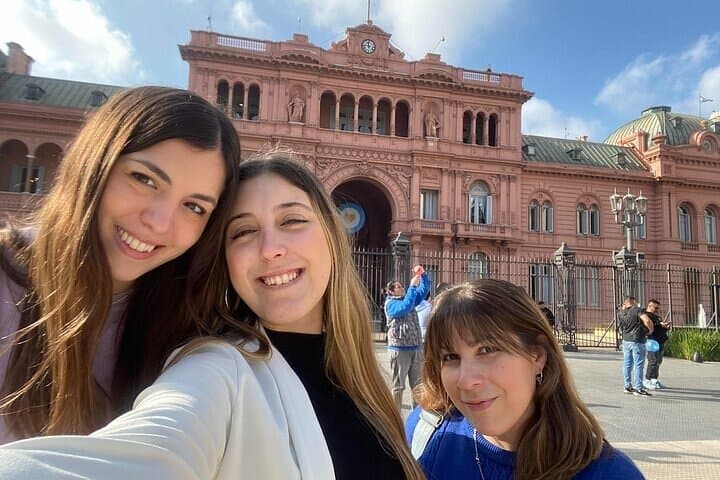
Combine Buenos Aires’ landmark neighborhoods with a full-day gaucho experience at Estancia Santa Susana. This 2-day combo mixes city sightseeing — Recoleta, La Boca, Plaza de Mayo — with a traditional ranch visit, BBQ lunch and folk shows.
Combine Buenos Aires’ landmark neighborhoods with a full-day gaucho experience at Estancia Santa Susana. This 2-day combo mixes city sightseeing — Recoleta, La Boca, Plaza de Mayo — with a traditional ranch visit, BBQ lunch and folk shows.
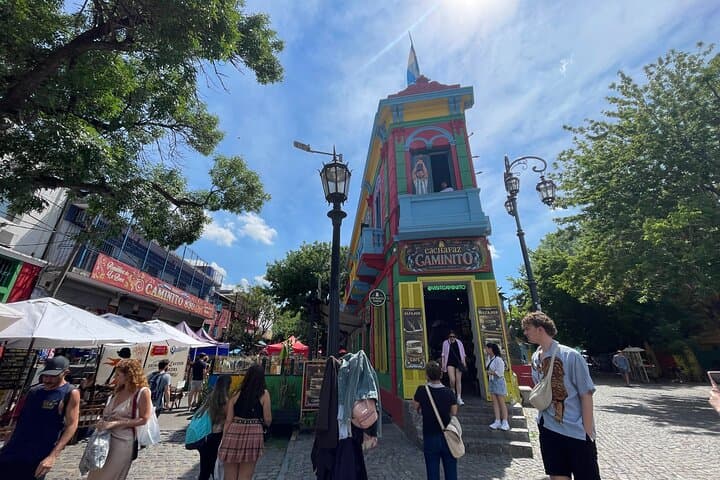
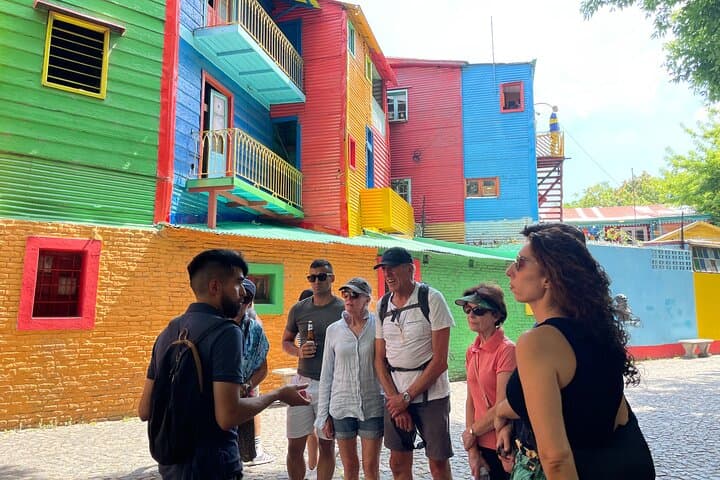
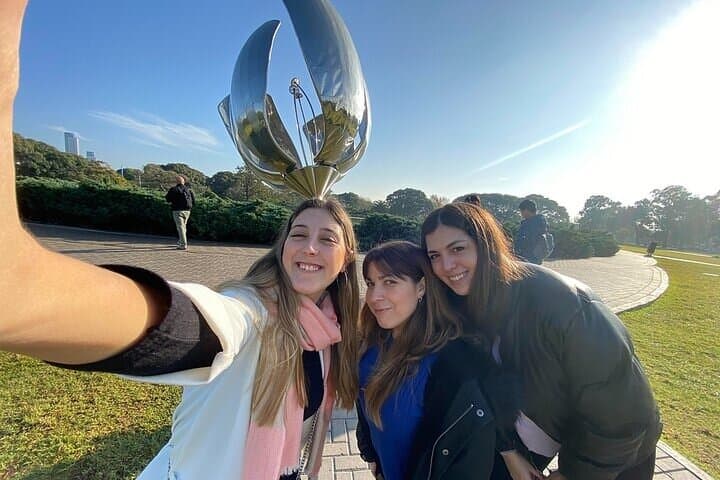
Morning light slides across Avenida 9 de Julio as the coach eases out of the city — Buenos Aires unfurls in blocks of stone, glass, and planted plazas. On day one the route threads through Recoleta’s stately avenues, past the Obelisk, then down to La Boca’s painted walkways where artists and tango steps animate the sidewalk. By day two the pavement gives way to the wide, breathing Pampas around Los Cardales; the estancia welcomes visitors with empanadas, mate, and the low thud of horses’ hooves.
Verified experiences and guided adventures in the surrounding area.
Operated by Tangol · Buenos Aires, Buenos Aires
Morning light slides across Avenida 9 de Julio as the coach eases out of the city — Buenos Aires unfurls in blocks of stone, glass, and planted plazas. On day one the route threads through Recoleta’s stately avenues, past the Obelisk, then down to La Boca’s painted walkways where artists and tango steps animate the sidewalk. By day two the pavement gives way to the wide, breathing Pampas around Los Cardales; the estancia welcomes visitors with empanadas, mate, and the low thud of horses’ hooves.
Buenos Aires grew from a Spanish colonial port into Argentina’s cultural capital; its neighborhoods reflect waves of immigration and 19th-century urban planning. Geologically the area sits on flat alluvial plains that feed the Río de la Plata — the river keeps the city’s edge soft and wind-swept. Gaucho culture, forged in the plains’ rhythms, remains visible in horsemanship, boleadoras demonstrations and parrillada recipes served at rural estancias.
Expect a mix of on-foot sightseeing and a full-day ranch immersion: museum and church visits, a carriage or horseback glimpse of ranch life, folkloric music, boleadoras and a barbecue lunch with wine. Practical notes: bring your passport (checks may occur), wear comfortable walking shoes for cobblestones and grass, and plan for both sun and sudden breezes when you move from city to countryside. Confirm pickup details and the ranch operating days in advance — Santa Susana runs only selected days — and allow time to savor both urban monuments and open-country horizons.
easy.
2 days.
Suitable for most fitness levels; includes walking tours and light activity at the ranch.
Yes — the Estancia Santa Susana day includes an Argentine parrillada (BBQ) with wine, soft drinks and coffee.
Hotel pickup is included for selected central hotels; if outside the area you will be given a nearby meeting point.
A vegetarian menu is available if requested at time of booking; advise dietary needs in advance.
Yes, infants and small children are allowed; infants must sit on an adult’s lap and strollers are accommodated.
Buenos Aires grew from a colonial port into Argentina’s political and cultural center; estancias like Santa Susana preserve the rural gaucho traditions central to national identity.
Visitors should stick to designated paths at rural properties and the ecological reserve, minimize single-use plastics, and support ranches that follow sustainable grazing and cultural-preservation practices.
Tangol operates guided outdoor trips and adventures with an emphasis on safety, stewardship, and memorable experiences.
Morning light slides across Avenida 9 de Julio as the coach eases out of the city — Buenos Aires unfurls in blocks of stone, glass, and planted plazas. On day one the route threads through Recoleta’s stately avenues, past the Obelisk, then down to La Boca’s painted walkways where artists and tango steps animate the sidewalk. By day two the pavement gives way to the wide, breathing Pampas around Los Cardales; the estancia welcomes visitors with empanadas, mate, and the low thud of horses’ hooves.
Morning light slides across Avenida 9 de Julio as the coach eases out of the city — Buenos Aires unfurls in blocks of stone, glass, and planted plazas. On day one the route threads through Recoleta’s stately avenues, past the Obelisk, then down to La Boca’s painted walkways where artists and tango steps animate the sidewalk. By day two the pavement gives way to the wide, breathing Pampas around Los Cardales; the estancia welcomes visitors with empanadas, mate, and the low thud of horses’ hooves.
Buenos Aires grew from a Spanish colonial port into Argentina’s cultural capital; its neighborhoods reflect waves of immigration and 19th-century urban planning. Geologically the area sits on flat alluvial plains that feed the Río de la Plata — the river keeps the city’s edge soft and wind-swept. Gaucho culture, forged in the plains’ rhythms, remains visible in horsemanship, boleadoras demonstrations and parrillada recipes served at rural estancias.
Expect a mix of on-foot sightseeing and a full-day ranch immersion: museum and church visits, a carriage or horseback glimpse of ranch life, folkloric music, boleadoras and a barbecue lunch with wine. Practical notes: bring your passport (checks may occur), wear comfortable walking shoes for cobblestones and grass, and plan for both sun and sudden breezes when you move from city to countryside. Confirm pickup details and the ranch operating days in advance — Santa Susana runs only selected days — and allow time to savor both urban monuments and open-country horizons.