THE ADVENTURE COLLECTIVE® · Independent discovery and booking for outdoor travel

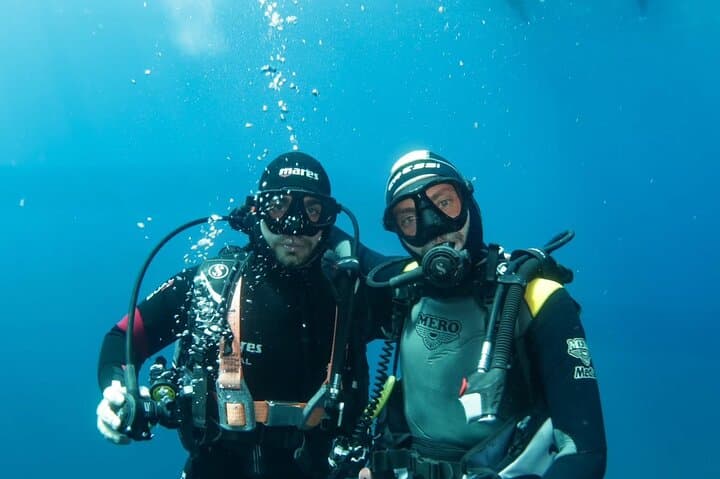
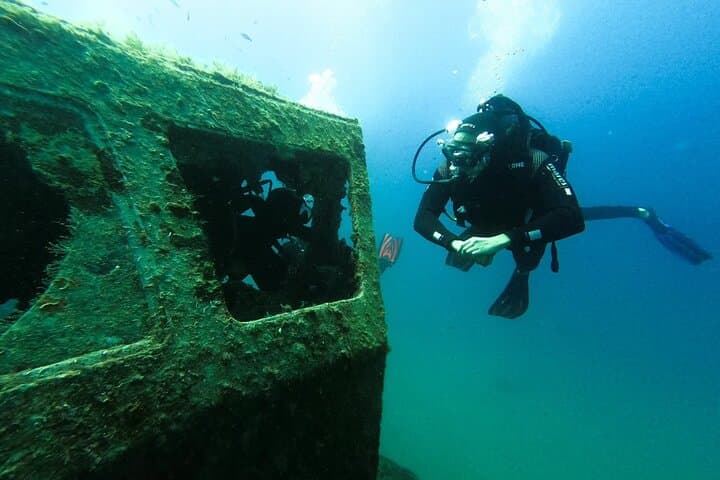
Two guided dives off Budva explore caves, ledges and wrecks along limestone shelves with excellent visibility on calm days. This 2–3 hour trip suits certified divers looking for marine life and structured underwater terrain.
Two guided dives off Budva explore caves, ledges and wrecks along limestone shelves with excellent visibility on calm days. This 2–3 hour trip suits certified divers looking for marine life and structured underwater terrain.
The boat slips from Budva's harbor, the town shrinking into a ribbon of red roofs while the Adriatic opens out, flat and glass-bright. You gear up on an 11-meter catamaran, the engine’s hum a steady metronome as the crew points to a scatter of dark shapes below—caves, ledges and a ship’s skeleton waiting in the blue.
Verified experiences and guided adventures in the surrounding area.
Operated by Diving Montenegro Budva · Budva, Budva Municipality
The boat slips from Budva's harbor, the town shrinking into a ribbon of red roofs while the Adriatic opens out, flat and glass-bright. You gear up on an 11-meter catamaran, the engine’s hum a steady metronome as the crew points to a scatter of dark shapes below—caves, ledges and a ship’s skeleton waiting in the blue.
This coastline carries layers of history: Illyrian and Roman trade routes, Venetian fortifications onshore and wartime wrecks beneath the surface. Geologically, the Montenegrin shore drops off in limestone shelves and karst outcrops that carve tunnels and swim-throughs; those features create protected pockets of marine life and excellent visibility when the sea is calm.
Local dive culture is methodical and safety-focused—small groups, thorough briefings, and a preference for repeatable sites that suit certified open-water divers. Expect encounters with octopus tucked in cracks, Mediterranean grouper on ledges, and colorful nudibranchs on the blades of seagrass.
Practically: two 40+ minute dives at different sites with a break on the boat between, full SCUBA kit provided and guides handling navigation and safety stops. Bring your certification card, a logbook and a dive computer if you have one. Pay attention to briefings on currents and entry procedures; the operator cancels in bad weather and asks divers to be medically fit.
Timing matters—calm mornings bring the best visibility, while summer afternoons are warmer but busier. Respect mooring buoys, avoid touching the reef, and carry a lightweight surface marker for extra visibility on ascent.
moderate.
2–3 hours.
Moderate fitness and good cardiovascular health; comfortable swimming ability and no recent major illness
Yes — this tour is for certified divers only; bring your certification card (digital or physical) and recent dive log when requested.
Each dive is typically a minimum of 40 minutes, adjusted for site conditions, depth and no-decompression limits assessed by the guide.
Summer water averages 22–26°C with visibility often 10–30 meters on calm days; spring and fall can be cooler with slightly reduced visibility.
Yes — the operator supplies full SCUBA gear, but many divers prefer to bring personal masks and dive computers for fit and familiarity.
Budva’s coast sits along ancient Adriatic trade routes; the nearshore seabed includes modern and wartime wrecks that draw recreational divers.
Operators commonly use mooring buoys to minimize anchor damage; divers are asked not to remove artifacts and to avoid touching marine life to protect fragile habitats.
Diving Montenegro Budva operates guided outdoor trips and adventures with an emphasis on safety, stewardship, and memorable experiences.


The boat slips from Budva's harbor, the town shrinking into a ribbon of red roofs while the Adriatic opens out, flat and glass-bright. You gear up on an 11-meter catamaran, the engine’s hum a steady metronome as the crew points to a scatter of dark shapes below—caves, ledges and a ship’s skeleton waiting in the blue.
The boat slips from Budva's harbor, the town shrinking into a ribbon of red roofs while the Adriatic opens out, flat and glass-bright. You gear up on an 11-meter catamaran, the engine’s hum a steady metronome as the crew points to a scatter of dark shapes below—caves, ledges and a ship’s skeleton waiting in the blue.
This coastline carries layers of history: Illyrian and Roman trade routes, Venetian fortifications onshore and wartime wrecks beneath the surface. Geologically, the Montenegrin shore drops off in limestone shelves and karst outcrops that carve tunnels and swim-throughs; those features create protected pockets of marine life and excellent visibility when the sea is calm.
Local dive culture is methodical and safety-focused—small groups, thorough briefings, and a preference for repeatable sites that suit certified open-water divers. Expect encounters with octopus tucked in cracks, Mediterranean grouper on ledges, and colorful nudibranchs on the blades of seagrass.
Practically: two 40+ minute dives at different sites with a break on the boat between, full SCUBA kit provided and guides handling navigation and safety stops. Bring your certification card, a logbook and a dive computer if you have one. Pay attention to briefings on currents and entry procedures; the operator cancels in bad weather and asks divers to be medically fit.
Timing matters—calm mornings bring the best visibility, while summer afternoons are warmer but busier. Respect mooring buoys, avoid touching the reef, and carry a lightweight surface marker for extra visibility on ascent.