THE ADVENTURE COLLECTIVE® · Independent discovery and booking for outdoor travel

Track habituated chimpanzees through Budongo Forest’s towering mahoganies on a focused day trip from Masindi. This guide explains what to expect, how to prepare, and the best practical tips for a safe, responsible encounter.
Track habituated chimpanzees through Budongo Forest’s towering mahoganies on a focused day trip from Masindi. This guide explains what to expect, how to prepare, and the best practical tips for a safe, responsible encounter.
You step off the dusty lodge track into a green hush: leaves whisper and the forest floor gives underfoot, as if the Budongo itself is easing you along. Afternoon light shafts through the canopy of giant mahogany and you follow a ranger’s steady cadence, listening for whoops and branch breaks — the language that signals a chimp group nearby. The encounter is intimate and raw; habituated chimpanzees tolerate human presence but remain wild, skittering along lianas or pausing to regard you with quick, intelligent eyes.
Verified experiences and guided adventures in the surrounding area.
Operated by Gorilla Safaris Uganda · Masindi, Masindi District
You step off the dusty lodge track into a green hush: leaves whisper and the forest floor gives underfoot, as if the Budongo itself is easing you along. Afternoon light shafts through the canopy of giant mahogany and you follow a ranger’s steady cadence, listening for whoops and branch breaks — the language that signals a chimp group nearby. The encounter is intimate and raw; habituated chimpanzees tolerate human presence but remain wild, skittering along lianas or pausing to regard you with quick, intelligent eyes.
Budongo is East Africa’s largest mahogany forest, a biological holdout on the Albertine Rift with layered geology of old volcanic soils and riverine terraces. Centuries of local Bunyoro culture and colonial timber histories shape access and conservation here: community scouts and UWA rangers now jointly manage tracking to protect chimps and livelihoods. Birdsong is constant — hornbills and turacos call from the midstory — while the forest floor shelters duikers and butterflies that mark seasonal flows.
Practical guidance: this is a full-day outing from Masindi; expect a moderate-level walk on uneven, sometimes muddy trails. Tracking sessions usually last one to two hours and follow a briefing on safety and behavior. Wear closed, grippy footwear, long sleeves to ward off insects and scratches, and bring water, a rain layer, and cash for park fees or tips. Photography is allowed but keep distance and no flash. Respect ranger instructions: chimps are habituated, not tame, and short, quiet observation windows minimize stress. Timing your visit for the drier months improves visibility, but early or late-day light and the forest’s living surfaces make every season rewarding.
moderate.
6–10 hours (full-day trip; 1–2 hours of active tracking).
Requires moderate fitness: sustained walking on uneven terrain, occasional short climbs.
Yes — tracking is regulated by Uganda Wildlife Authority; permits and guide fees are arranged through tour operators or park offices, typically included in organized day trips.
Rangers enforce safe viewing distances and short observation windows (usually about 1 hour) to minimize stress; follow their instructions at all times.
Tracking involves uneven terrain and potential long walks; organizers often restrict participation for very young children, pregnant travelers, or those with significant mobility or cardiovascular concerns.
Dry months (roughly June–August and December–February) offer easier trails and clearer sightings, but chimp encounters occur year-round and rainier months bring lush scenery and active birdlife.
Budongo has long been a resource base for Bunyoro communities and was a colonial-era timber source; recent conservation efforts have emphasized community ranger programs and research on chimpanzee behavior.
Tracking is tightly managed to reduce disease transmission and stress on chimpanzees; support local conservation by using licensed guides and respecting park rules.
Gorilla Safaris Uganda operates guided outdoor trips and adventures with an emphasis on safety, stewardship, and memorable experiences.
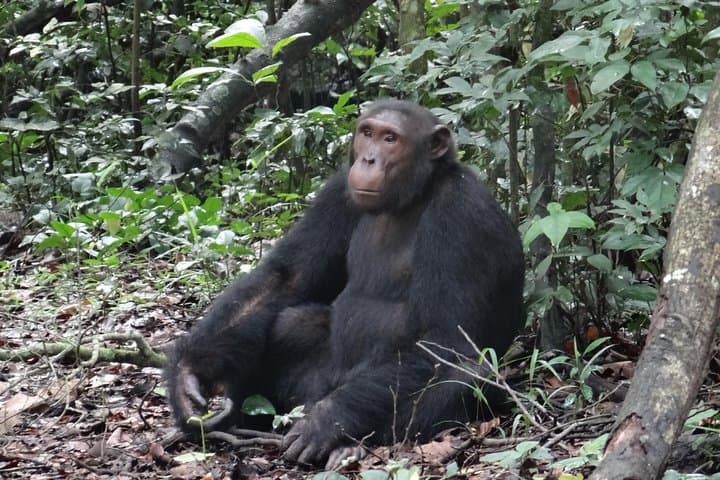
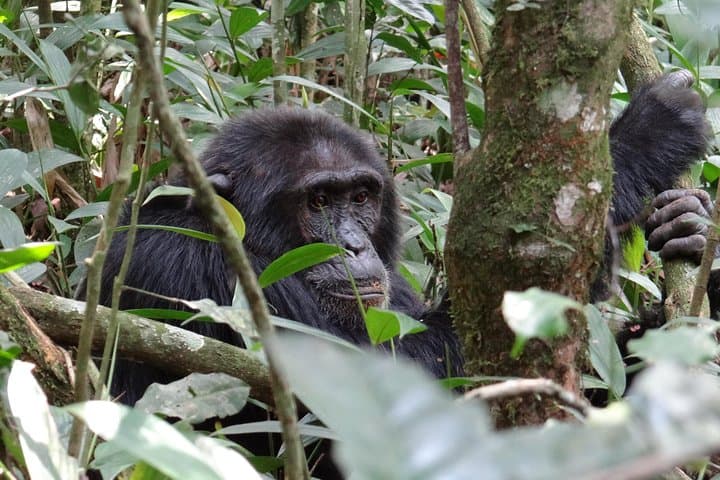
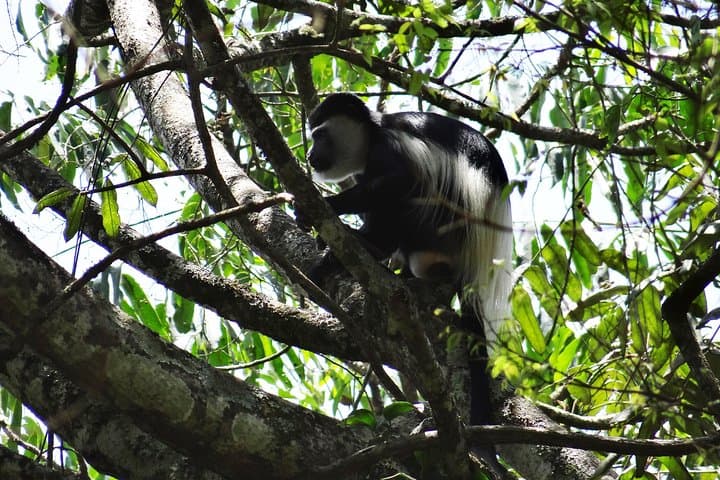
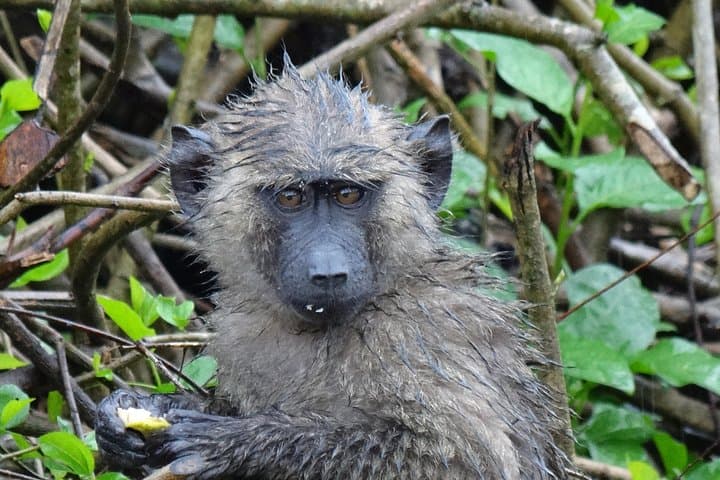
You step off the dusty lodge track into a green hush: leaves whisper and the forest floor gives underfoot, as if the Budongo itself is easing you along. Afternoon light shafts through the canopy of giant mahogany and you follow a ranger’s steady cadence, listening for whoops and branch breaks — the language that signals a chimp group nearby. The encounter is intimate and raw; habituated chimpanzees tolerate human presence but remain wild, skittering along lianas or pausing to regard you with quick, intelligent eyes.
You step off the dusty lodge track into a green hush: leaves whisper and the forest floor gives underfoot, as if the Budongo itself is easing you along. Afternoon light shafts through the canopy of giant mahogany and you follow a ranger’s steady cadence, listening for whoops and branch breaks — the language that signals a chimp group nearby. The encounter is intimate and raw; habituated chimpanzees tolerate human presence but remain wild, skittering along lianas or pausing to regard you with quick, intelligent eyes.
Budongo is East Africa’s largest mahogany forest, a biological holdout on the Albertine Rift with layered geology of old volcanic soils and riverine terraces. Centuries of local Bunyoro culture and colonial timber histories shape access and conservation here: community scouts and UWA rangers now jointly manage tracking to protect chimps and livelihoods. Birdsong is constant — hornbills and turacos call from the midstory — while the forest floor shelters duikers and butterflies that mark seasonal flows.
Practical guidance: this is a full-day outing from Masindi; expect a moderate-level walk on uneven, sometimes muddy trails. Tracking sessions usually last one to two hours and follow a briefing on safety and behavior. Wear closed, grippy footwear, long sleeves to ward off insects and scratches, and bring water, a rain layer, and cash for park fees or tips. Photography is allowed but keep distance and no flash. Respect ranger instructions: chimps are habituated, not tame, and short, quiet observation windows minimize stress. Timing your visit for the drier months improves visibility, but early or late-day light and the forest’s living surfaces make every season rewarding.