THE ADVENTURE COLLECTIVE® · Independent discovery and booking for outdoor travel

An eight-day private itinerary that pairs Cairo’s ancient landmarks with a budget-friendly Nile cruise from Aswan to Luxor. Expect guided visits to the Giza pyramids, Philae, Kom Ombo and the Valley of the Kings, plus sleeper-train transfers.
An eight-day private itinerary that pairs Cairo’s ancient landmarks with a budget-friendly Nile cruise from Aswan to Luxor. Expect guided visits to the Giza pyramids, Philae, Kom Ombo and the Valley of the Kings, plus sleeper-train transfers.
You touch down in Cairo and the city meets you with close-up horns, warm air and the distant silhouette of pyramids against a hazy sky. The Nile threads the itinerary—slow, insistent—pulling you out of the capital toward Aswan’s quarries, the green banks that cradle temple gateways, and Luxor’s layered ruins.
Verified experiences and guided adventures in the surrounding area.
Operated by True Egypt - Day Tours · Cairo, Cairo Governorate
You touch down in Cairo and the city meets you with close-up horns, warm air and the distant silhouette of pyramids against a hazy sky. The Nile threads the itinerary—slow, insistent—pulling you out of the capital toward Aswan’s quarries, the green banks that cradle temple gateways, and Luxor’s layered ruins.
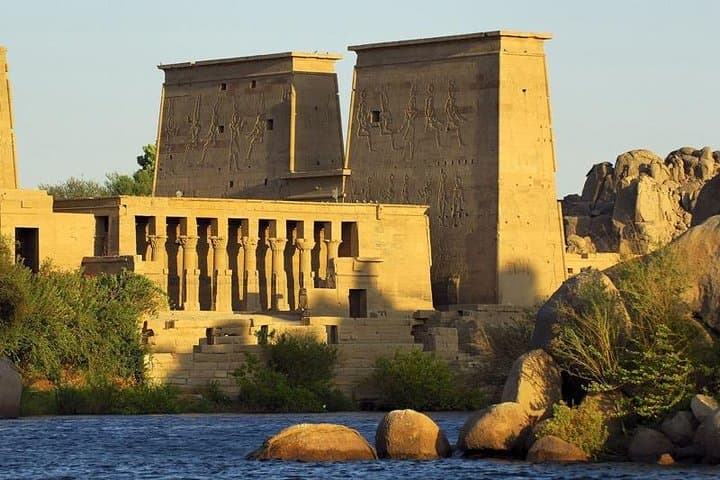
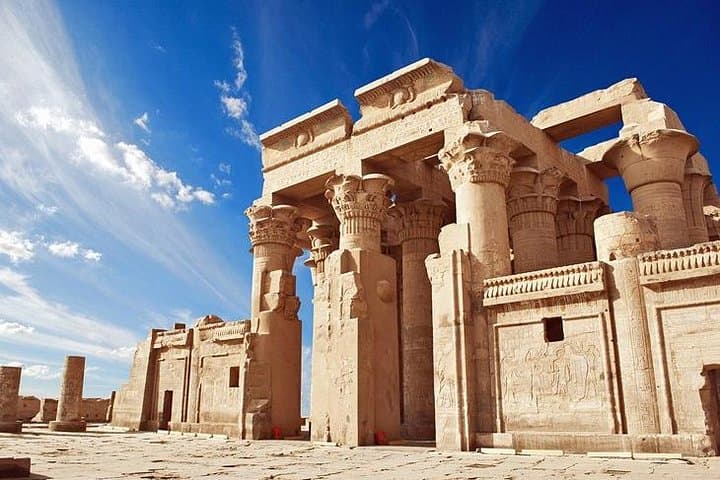
This compact eight-day loop stitches major pharaonic sites into a budget-friendly, private circuit: Giza’s Great Pyramid and Sphinx, the Egyptian Museum’s troves, then a sleeper train south to Aswan. Geology shows at the unfinished obelisk and granite quarries; human history is on full display from the relocated Philae temple (saved by UNESCO during the Aswan High Dam project) to Karnak’s pylons and the painted tombs of the Valley of the Kings.
Culture arrives in markets and on-deck life: the Nile cruise is basic deluxe—three nights on board with daily meals and sunset tea—while evenings bring local music, a galabeya party and the smell of spice at Khan el-Khalili.
Practical guidance: pace the days—this tour mixes long transfers with concentrated walking at archaeological sites. Carry sun protection and a reusable water bottle; most entrances allow short walks on uneven stone and steps. Bring local currency for gratuities and small purchases; passports and timed-entry tickets are required at many sites. The sleeper train reduces travel time but can be cramped—light luggage and a compact daypack make moving between hotels, ports and stations manageable. Respect site rules: photography restrictions and barriers protect fragile reliefs.
easy.
7–8 days.
Basic mobility for walking short distances and climbing steps; suitable for most fitness levels.
Most tours include key site admissions listed in the itinerary, but optional activities and special chamber tickets (e.g., some tombs) may require extra payment on site.
Nationals of many countries obtain visas on arrival or e-visa in advance—check Egypt’s official visa rules for your passport before travel.
Sleeper trains save daytime travel but can be basic; if you’re claustrophobic or need frequent mobility, request details in advance or opt for flights where available.
The itinerary lists wheelchair-accessible options for some transfers and hotels, but archaeological sites have uneven terrain and steps—access varies by location.
The tour traces sites from the Old Kingdom pyramids at Giza through New Kingdom temples in Luxor; many monuments were relocated or restored during 20th-century conservation efforts.
Tourism pressure and urban growth threaten fragile sites—stick to marked paths, avoid touching reliefs and minimize single-use plastics to reduce impact.
True Egypt - Day Tours operates guided outdoor trips and adventures with an emphasis on safety, stewardship, and memorable experiences.


You touch down in Cairo and the city meets you with close-up horns, warm air and the distant silhouette of pyramids against a hazy sky. The Nile threads the itinerary—slow, insistent—pulling you out of the capital toward Aswan’s quarries, the green banks that cradle temple gateways, and Luxor’s layered ruins.
You touch down in Cairo and the city meets you with close-up horns, warm air and the distant silhouette of pyramids against a hazy sky. The Nile threads the itinerary—slow, insistent—pulling you out of the capital toward Aswan’s quarries, the green banks that cradle temple gateways, and Luxor’s layered ruins.
This compact eight-day loop stitches major pharaonic sites into a budget-friendly, private circuit: Giza’s Great Pyramid and Sphinx, the Egyptian Museum’s troves, then a sleeper train south to Aswan. Geology shows at the unfinished obelisk and granite quarries; human history is on full display from the relocated Philae temple (saved by UNESCO during the Aswan High Dam project) to Karnak’s pylons and the painted tombs of the Valley of the Kings.
Culture arrives in markets and on-deck life: the Nile cruise is basic deluxe—three nights on board with daily meals and sunset tea—while evenings bring local music, a galabeya party and the smell of spice at Khan el-Khalili.
Practical guidance: pace the days—this tour mixes long transfers with concentrated walking at archaeological sites. Carry sun protection and a reusable water bottle; most entrances allow short walks on uneven stone and steps. Bring local currency for gratuities and small purchases; passports and timed-entry tickets are required at many sites. The sleeper train reduces travel time but can be cramped—light luggage and a compact daypack make moving between hotels, ports and stations manageable. Respect site rules: photography restrictions and barriers protect fragile reliefs.