THE ADVENTURE COLLECTIVE® · Independent discovery and booking for outdoor travel

A compact 7-day circuit that pairs Cairo’s museums and pyramids with Luxor’s temples and Aswan’s island shrines. Expect guided walks, an overnight sleeper train, and accessible cultural immersion suitable for most travelers.
A compact 7-day circuit that pairs Cairo’s museums and pyramids with Luxor’s temples and Aswan’s island shrines. Expect guided walks, an overnight sleeper train, and accessible cultural immersion suitable for most travelers.
You step out of the hotel into Cairo’s morning heat and the city swirls around you—call to prayer from a nearby minaret, the hum of traffic, and the distant slope of the Giza Plateau where stone giants await. Over seven days you move from that urban pulse to the Nile’s calmer current, following temples, tombs and a network of stories carved into sandstone and painted plaster.
Verified experiences and guided adventures in the surrounding area.
Operated by Tourshare · Cairo, Cairo Governorate
You step out of the hotel into Cairo’s morning heat and the city swirls around you—call to prayer from a nearby minaret, the hum of traffic, and the distant slope of the Giza Plateau where stone giants await. Over seven days you move from that urban pulse to the Nile’s calmer current, following temples, tombs and a network of stories carved into sandstone and painted plaster.
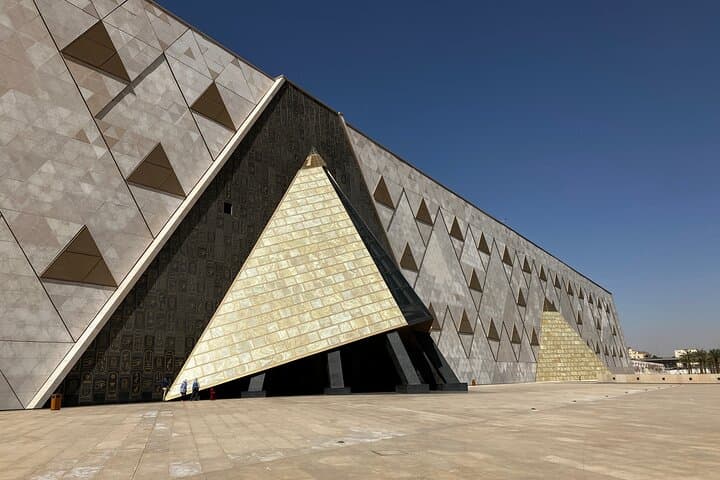
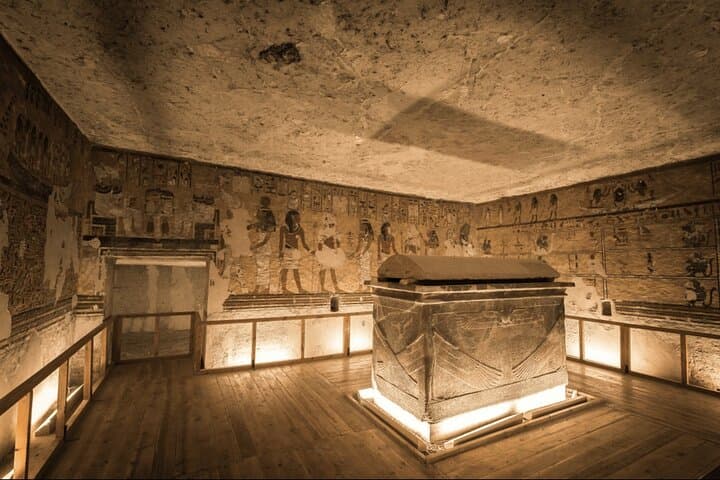
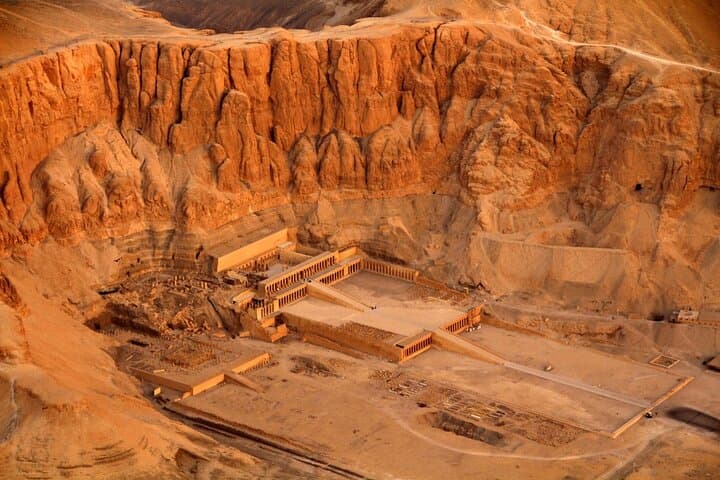
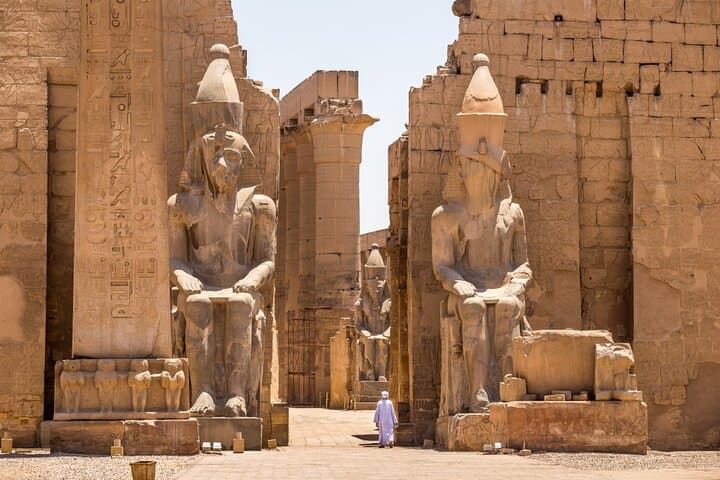
This itinerary threads modern Cairo with millennia: the Grand Egyptian Museum’s clean galleries give context to the Giza Pyramids’ sheer scale; Luxor’s Karnak and Luxor Temples show New Kingdom power in hypostyle halls and avenue-of-sphinxes approaches; the West Bank’s Valley of the Kings opens into painted tomb-chambers; Aswan’s Philae sits on Agilkia Island, relocated stone-by-stone during the High Dam era—Abu Simbel is an optional crescendo.
Geologically the Nile valley is a ribbon of alluvial soil carved through Precambrian and Pharaonic stone, which made rock-cut tombs and monumental architecture possible. Culturally expect bustling souks, layered histories from Coptic Old Cairo to Ottoman citadels, and Nubian villages that preserve distinct language and craft.
Practical notes: days involve 1–4 miles of walking on packed stone, sand and uneven temple steps; daytime highs can exceed 35°C (95°F) in summer, and overnight sleeper trains take ~9–10 hours between Cairo and Luxor. The tour includes 3–4★ hotels, select meals, local Egyptology guides and sleeper trains—pack sun protection, comfortable shoes, a light scarf for temples, and photocopies of travel documents. Arrive flexible-minded: Egypt rewards patience with rich, tactile history.
easy.
7 days.
Able to walk 1–4 miles per day on uneven stone and climb steps; low-impact fitness sufficient
The tour includes breakfasts most days, five lunches and two dinners, plus 3–4★ hotels in Cairo, Luxor and Aswan and one overnight sleeping train.
The itinerary is rated easy and suitable for most fitness levels, but some sites have uneven terrain and steps—notify operators in advance for assistance.
Expect roughly 9–10 hours on the overnight sleeping train; cabins are basic and meals are typically provided onboard.
Most visitors require an Egyptian entry visa (obtain on arrival or online depending on nationality); check routine travel vaccines and current health advisories before departure.
The tour follows key sites spanning Pharaonic dynasties to modern Cairo; Abu Simbel’s temples were famously relocated during the Aswan High Dam project in the 1960s.
High visitor numbers stress fragile painted tombs and stone surfaces—stick to walkways, avoid flash photography where banned, and support local conservation fees when offered.
Tourshare operates guided outdoor trips and adventures with an emphasis on safety, stewardship, and memorable experiences.
You step out of the hotel into Cairo’s morning heat and the city swirls around you—call to prayer from a nearby minaret, the hum of traffic, and the distant slope of the Giza Plateau where stone giants await. Over seven days you move from that urban pulse to the Nile’s calmer current, following temples, tombs and a network of stories carved into sandstone and painted plaster.
You step out of the hotel into Cairo’s morning heat and the city swirls around you—call to prayer from a nearby minaret, the hum of traffic, and the distant slope of the Giza Plateau where stone giants await. Over seven days you move from that urban pulse to the Nile’s calmer current, following temples, tombs and a network of stories carved into sandstone and painted plaster.
This itinerary threads modern Cairo with millennia: the Grand Egyptian Museum’s clean galleries give context to the Giza Pyramids’ sheer scale; Luxor’s Karnak and Luxor Temples show New Kingdom power in hypostyle halls and avenue-of-sphinxes approaches; the West Bank’s Valley of the Kings opens into painted tomb-chambers; Aswan’s Philae sits on Agilkia Island, relocated stone-by-stone during the High Dam era—Abu Simbel is an optional crescendo.
Geologically the Nile valley is a ribbon of alluvial soil carved through Precambrian and Pharaonic stone, which made rock-cut tombs and monumental architecture possible. Culturally expect bustling souks, layered histories from Coptic Old Cairo to Ottoman citadels, and Nubian villages that preserve distinct language and craft.
Practical notes: days involve 1–4 miles of walking on packed stone, sand and uneven temple steps; daytime highs can exceed 35°C (95°F) in summer, and overnight sleeper trains take ~9–10 hours between Cairo and Luxor. The tour includes 3–4★ hotels, select meals, local Egyptology guides and sleeper trains—pack sun protection, comfortable shoes, a light scarf for temples, and photocopies of travel documents. Arrive flexible-minded: Egypt rewards patience with rich, tactile history.