THE ADVENTURE COLLECTIVE® · Independent discovery and booking for outdoor travel

A compact six-day circuit that pairs sunrise game drives in the Masai Mara with bird-rich Lake Nakuru and Kilimanjaro-framed Amboseli. Expect long drives, intimate wildlife encounters, cultural visits, and classic African panoramas.
A compact six-day circuit that pairs sunrise game drives in the Masai Mara with bird-rich Lake Nakuru and Kilimanjaro-framed Amboseli. Expect long drives, intimate wildlife encounters, cultural visits, and classic African panoramas.
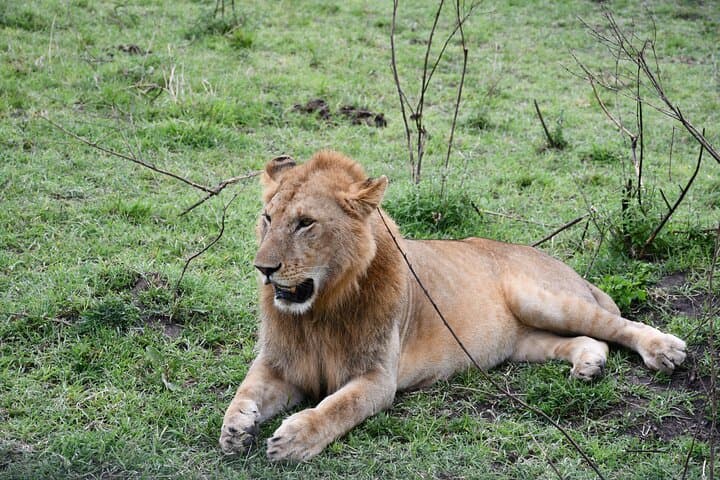
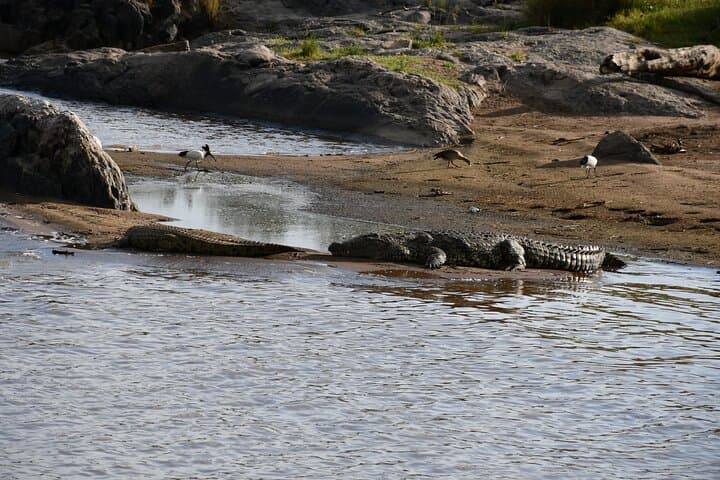
Morning light strips the horizon as your 4x4 slips out of Nairobi, the city shrinking behind a window smeared with dust and expectation. The Great Rift Valley opens like an old map — escarpments and wide plains — and by afternoon the Mara’s grasslands stretch toward a sky that seems to move animals into silhouette. Here the land acts: herds gather, predators test the herd’s edges, and acacia branches throw sudden shade.
Verified experiences and guided adventures in the surrounding area.
Operated by Cross wild safaris · Nairobi, Nairobi County
Morning light strips the horizon as your 4x4 slips out of Nairobi, the city shrinking behind a window smeared with dust and expectation. The Great Rift Valley opens like an old map — escarpments and wide plains — and by afternoon the Mara’s grasslands stretch toward a sky that seems to move animals into silhouette. Here the land acts: herds gather, predators test the herd’s edges, and acacia branches throw sudden shade.
This route threads three distinct ecosystems. Masai Mara’s rolling plains sit around 1,500 m and form the northern edge of the Serengeti biome, where the Big Five and the wildebeest migration concentrate in predictable seasons. Lake Nakuru, higher and more enclosed, is famed for its shorebirds and resident rhino population. Amboseli lies lower near 1,020 m, a short grassland framed by views of Mount Kilimanjaro (5,895 m), whose free-standing bulk dominates the skyline.
Cultural stops with Maasai hosts offer straightforward insights into pastoral life; boat rides on Lake Naivasha add a waterborne angle to game viewing. The trip is structured around dawn and dusk game drives — the best windows for sightings and photography.
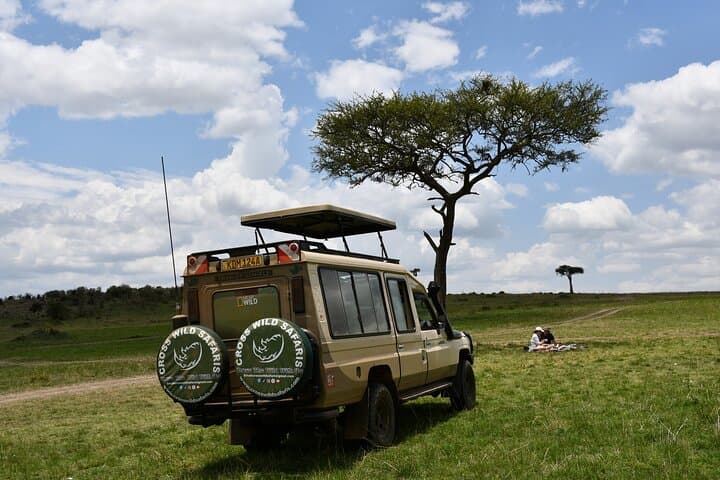
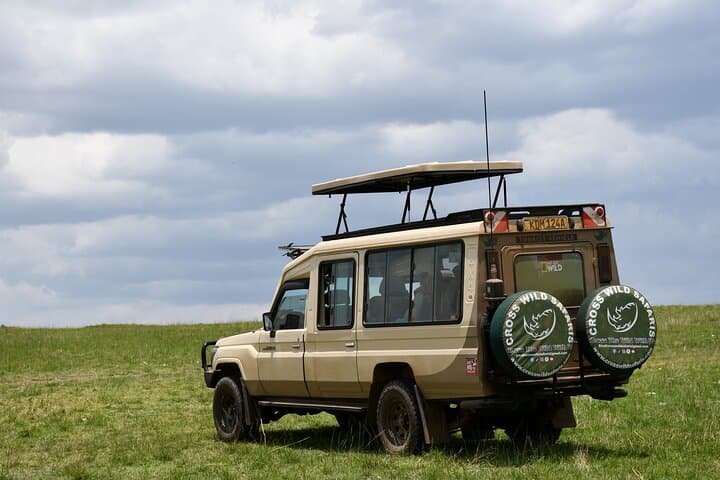
Practical notes: travel times between parks are long (expect multiple 4–8 hour drives), so pack for comfort and dust. A reliable 4x4, binoculars, layered clothing for cool mornings and hot afternoons, and a camera with a telephoto lens will define your experience. Hydrate, plan for early wake-ups, and keep respect front and center when visiting cultural sites — these are the rhythms that turn safaris into real encounters.
easy.
6 days.
Suitable for travelers in average fitness—long vehicle days and short on-foot stretches; be comfortable sitting and walking over uneven ground.
Yes; the itinerary is designed for travelers new to East Africa with guided game drives, private 4x4 transport, and lodge accommodations.
Consult a travel clinic—yellow fever requirements depend on origin, and malaria risk exists in parts of Kenya; many travelers take prophylaxis.
Expect multi-hour drives: Nairobi–Mara ~5–6 hrs, Mara–Nakuru ~4–6 hrs, Nakuru–Amboseli ~6–8 hrs and Amboseli–Nairobi ~4–5 hrs depending on road conditions.
This tour description indicates full-board accommodations and game drives are included; confirm specific park fee coverage with the operator at booking.
The Mara and surrounding highlands were historically grazing lands for Maasai pastoralists; colonial-era game policies later shaped park boundaries and tourism infrastructure.
Rhino protection and anti-poaching patrols are active at Lake Nakuru and across Kenyan parks; choose operators who support local conservation and community benefits.
Cross wild safaris operates guided outdoor trips and adventures with an emphasis on safety, stewardship, and memorable experiences.
Morning light strips the horizon as your 4x4 slips out of Nairobi, the city shrinking behind a window smeared with dust and expectation. The Great Rift Valley opens like an old map — escarpments and wide plains — and by afternoon the Mara’s grasslands stretch toward a sky that seems to move animals into silhouette. Here the land acts: herds gather, predators test the herd’s edges, and acacia branches throw sudden shade.
Morning light strips the horizon as your 4x4 slips out of Nairobi, the city shrinking behind a window smeared with dust and expectation. The Great Rift Valley opens like an old map — escarpments and wide plains — and by afternoon the Mara’s grasslands stretch toward a sky that seems to move animals into silhouette. Here the land acts: herds gather, predators test the herd’s edges, and acacia branches throw sudden shade.
This route threads three distinct ecosystems. Masai Mara’s rolling plains sit around 1,500 m and form the northern edge of the Serengeti biome, where the Big Five and the wildebeest migration concentrate in predictable seasons. Lake Nakuru, higher and more enclosed, is famed for its shorebirds and resident rhino population. Amboseli lies lower near 1,020 m, a short grassland framed by views of Mount Kilimanjaro (5,895 m), whose free-standing bulk dominates the skyline.
Cultural stops with Maasai hosts offer straightforward insights into pastoral life; boat rides on Lake Naivasha add a waterborne angle to game viewing. The trip is structured around dawn and dusk game drives — the best windows for sightings and photography.
Practical notes: travel times between parks are long (expect multiple 4–8 hour drives), so pack for comfort and dust. A reliable 4x4, binoculars, layered clothing for cool mornings and hot afternoons, and a camera with a telephoto lens will define your experience. Hydrate, plan for early wake-ups, and keep respect front and center when visiting cultural sites — these are the rhythms that turn safaris into real encounters.