THE ADVENTURE COLLECTIVE® · Independent discovery and booking for outdoor travel

Trace the path of the Buddha across Nepal—from the towering Boudhanath stupa and Swayambhunath’s hilltop shrine to the birthplace at Lumbini. This practical pilgrimage pairs urban sacred sites with hilltop monasteries and the calm plains of the Terai.
Trace the path of the Buddha across Nepal—from the towering Boudhanath stupa and Swayambhunath’s hilltop shrine to the birthplace at Lumbini. This practical pilgrimage pairs urban sacred sites with hilltop monasteries and the calm plains of the Terai.
You step out into the ring of prayer flags at Boudhanath as the late-morning sun warms the white dome; prayer wheels click like a practiced heartbeat and monks move in patient, deliberate lines. The air here and at Swayambhunath carries incense and the low chant of mantras—the city’s spiritual pulse. In the hills above Kathmandu, Kopan Monastery and Namo Buddha trade the valley’s bustle for open ridgelines and views that make the Himalaya feel like a slow, watchful neighbor.
Verified experiences and guided adventures in the surrounding area.
Operated by Accessible Adventure Pvt. Ltd · Kathmandu, Bagmati Province
You step out into the ring of prayer flags at Boudhanath as the late-morning sun warms the white dome; prayer wheels click like a practiced heartbeat and monks move in patient, deliberate lines. The air here and at Swayambhunath carries incense and the low chant of mantras—the city’s spiritual pulse. In the hills above Kathmandu, Kopan Monastery and Namo Buddha trade the valley’s bustle for open ridgelines and views that make the Himalaya feel like a slow, watchful neighbor.
This route threads millennia: Swayambhu’s legend speaks of a primordial lake drained by Manjushri, while Boudhanath grew where trade routes met Tibetan pilgrims. Lumbini in the southern Terai is the cradle of Siddhartha Gautama, ringed today by international monasteries and Ashoka’s inscribed pillar. Geologically, the valley’s bowl and surrounding hills were shaped by uplift and ancient lakes, so expect steep steps and terraced slopes as you move between shrines.
Culturally this is living Buddhism—Tibetan gompas, Nepali shrine rites, and communities that host pilgrims year-round. Practically, the trip is low-impact physically but high on logistics: long drives between Kathmandu, Pokhara and Lumbini, short hikes to hilltop stupas, and multiple temple visits where modest dress and quiet behavior are essential.
Plan mornings for the largest sites to avoid crowds and daylight heat in the Terai. Bring layered clothing for chilly hill mornings, comfortable shoes for stone steps, cash for small monastery donations and a reusable water bottle. Respect photos rules inside temples and remove shoes where required—these simple choices keep the focus where it belongs: on the ritual, the views, and the steady rhythm of pilgrimage.
easy.
10 days.
Suitable for travelers in regular walking shape; includes short hikes and many walks on uneven temple steps but no high-altitude trekking.
Most nationalities require a tourist visa obtained on arrival at Tribhuvan International Airport or in advance from a Nepali consulate—check current rules before travel.
The tour includes steep temple steps and uneven ground; while city and some monastery visits can be arranged with less walking, full accessibility varies—ask the operator about private vehicle access and local assistance.
Autumn (Sept–Nov) and spring (Mar–May) offer the clearest skies and moderate temperatures; winters are cool in the hills and summers bring monsoon rains in the Terai.
Breakfast and twin-sharing accommodation are included; specifics vary by day—confirm single-room supplements and dietary needs at booking.
Kathmandu Valley sites combine Licchavi-era developments with later Tibetan-influenced monasteries; Lumbini preserves Ashokan inscriptions marking imperial Buddhist patronage.
Large numbers of visitors put pressure on heritage sites and water resources; support local guides, avoid single-use plastics and follow signage to reduce impact.
Accessible Adventure Pvt. Ltd operates guided outdoor trips and adventures with an emphasis on safety, stewardship, and memorable experiences.
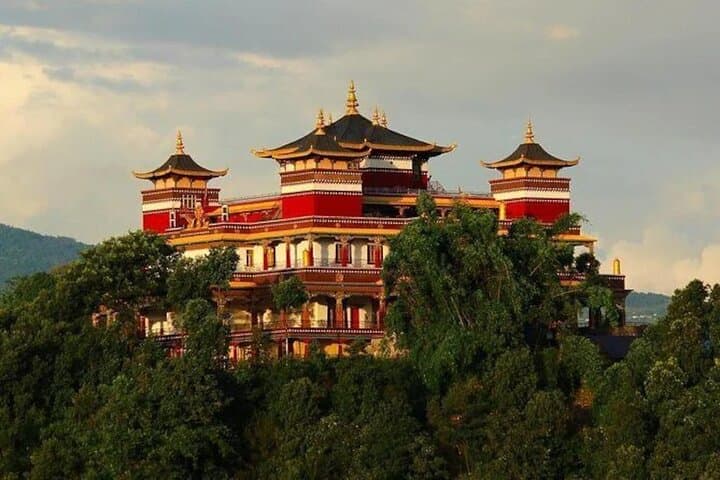
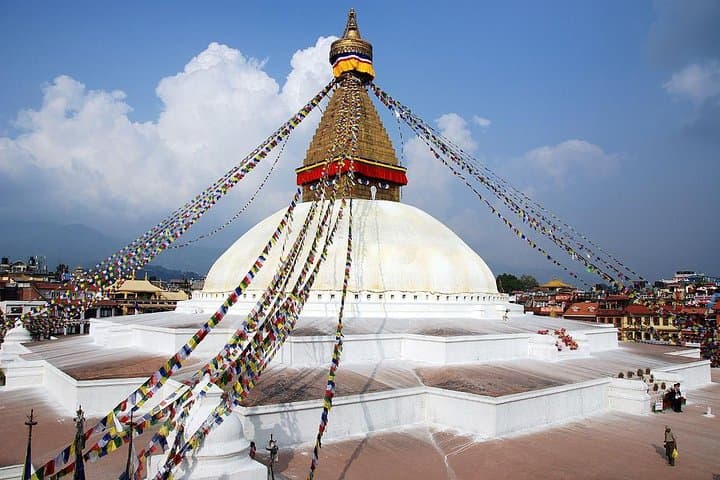
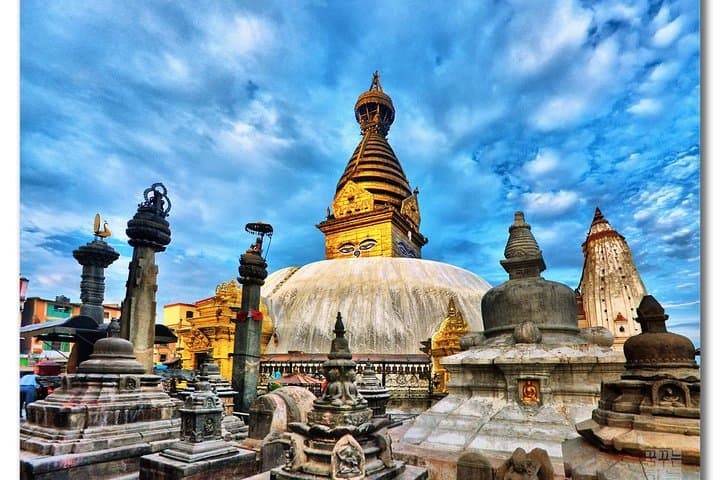
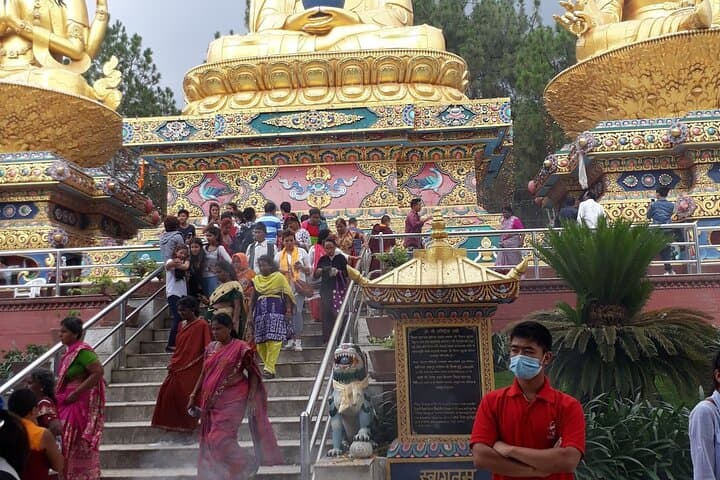
You step out into the ring of prayer flags at Boudhanath as the late-morning sun warms the white dome; prayer wheels click like a practiced heartbeat and monks move in patient, deliberate lines. The air here and at Swayambhunath carries incense and the low chant of mantras—the city’s spiritual pulse. In the hills above Kathmandu, Kopan Monastery and Namo Buddha trade the valley’s bustle for open ridgelines and views that make the Himalaya feel like a slow, watchful neighbor.
You step out into the ring of prayer flags at Boudhanath as the late-morning sun warms the white dome; prayer wheels click like a practiced heartbeat and monks move in patient, deliberate lines. The air here and at Swayambhunath carries incense and the low chant of mantras—the city’s spiritual pulse. In the hills above Kathmandu, Kopan Monastery and Namo Buddha trade the valley’s bustle for open ridgelines and views that make the Himalaya feel like a slow, watchful neighbor.
This route threads millennia: Swayambhu’s legend speaks of a primordial lake drained by Manjushri, while Boudhanath grew where trade routes met Tibetan pilgrims. Lumbini in the southern Terai is the cradle of Siddhartha Gautama, ringed today by international monasteries and Ashoka’s inscribed pillar. Geologically, the valley’s bowl and surrounding hills were shaped by uplift and ancient lakes, so expect steep steps and terraced slopes as you move between shrines.
Culturally this is living Buddhism—Tibetan gompas, Nepali shrine rites, and communities that host pilgrims year-round. Practically, the trip is low-impact physically but high on logistics: long drives between Kathmandu, Pokhara and Lumbini, short hikes to hilltop stupas, and multiple temple visits where modest dress and quiet behavior are essential.
Plan mornings for the largest sites to avoid crowds and daylight heat in the Terai. Bring layered clothing for chilly hill mornings, comfortable shoes for stone steps, cash for small monastery donations and a reusable water bottle. Respect photos rules inside temples and remove shoes where required—these simple choices keep the focus where it belongs: on the ritual, the views, and the steady rhythm of pilgrimage.