THE ADVENTURE COLLECTIVE® · Independent discovery and booking for outdoor travel

See Budapest from a small Cessna: Parliament, Buda Castle, Fisherman's Bastion and the Danube all revealed with expert pilot narration and guaranteed window seating. Choose 1–3 hour routes that can extend to Visegrád or Lake Balaton for a longer aerial day trip.
See Budapest from a small Cessna: Parliament, Buda Castle, Fisherman's Bastion and the Danube all revealed with expert pilot narration and guaranteed window seating. Choose 1–3 hour routes that can extend to Visegrád or Lake Balaton for a longer aerial day trip.
The Cessna climbs out over the Danube and the city below unfurls: the Parliament’s lace-like roof, the curve of the Chain Bridge, and the terraced sweep of Buda Castle shrinking into a patchwork of roofs. Wind thins, engines purr, and the pilot’s calm narration frames the city like a living map — streets, spires, and river all moving in slow relief beneath you.
Verified experiences and guided adventures in the surrounding area.
Operated by JankAir lines · Budapest, Central Hungary
The Cessna climbs out over the Danube and the city below unfurls: the Parliament’s lace-like roof, the curve of the Chain Bridge, and the terraced sweep of Buda Castle shrinking into a patchwork of roofs. Wind thins, engines purr, and the pilot’s calm narration frames the city like a living map — streets, spires, and river all moving in slow relief beneath you.
Budapest’s skyline reflects centuries of history split across Buda and Pest. The Danube carved trade routes and strategic lines; 19th-century fin-de-siècle architecture now sits adjacent to Ottoman-era baths and socialist-era housing blocks. From the air you can see geology at work — the rolling hills of Buda, the flat alluvial plains of Pest — and cultural markers: thermal bath domes, market halls, and the arc of Margaret Island like an urban park lung.
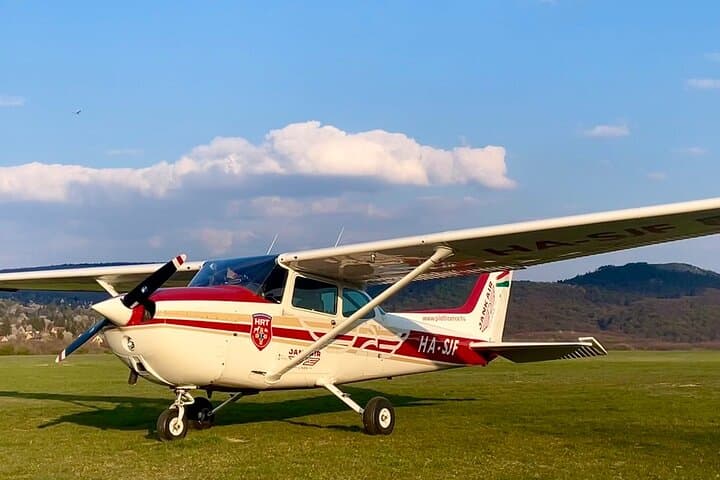
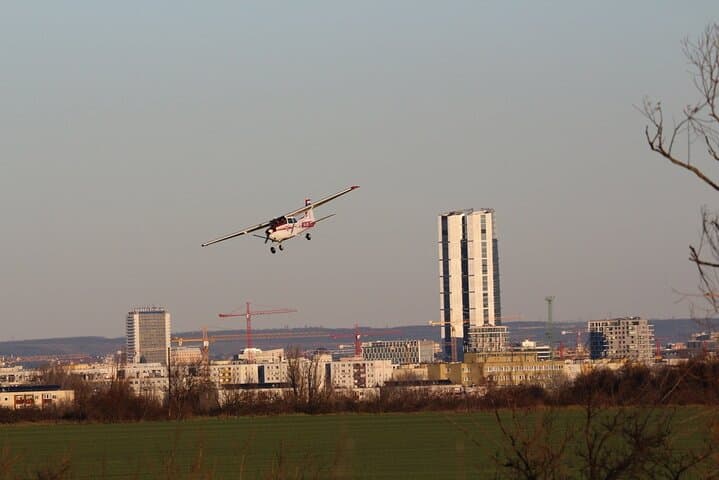
Expect a narrated, slow-flying tour tailored for photography. Routes include central Budapest and optional longer legs toward Visegrád Castle or Lake Balaton; pilots hold guaranteed window seating and deliberate low-speed passes for clear shots.
Practicalities: flights run 60–180 minutes, require passport and weight info, and are not recommended for those with serious heart conditions. Bring a small camera with a fast shutter, a windproof layer for open-cabin transfers, and timing early or late for the best light and calmer air. Operators will cancel for unsafe weather — plan a buffer day. From the air the Danube dares you to rethink the city; on the ground, use that perspective to pick a lookout and keep exploring.
easy.
1–3 hours.
No special fitness required beyond normal mobility and the ability to board a small aircraft.
Flights typically run 60–180 minutes; core Budapest circuits are standard and longer routes (Visegrád, Lake Balaton) can be booked depending on availability.
You must provide passport nationality, number and expiry during booking and bring ID on the day; infant seats are available on request.
Operators will cancel flights for unsafe weather; the listing notes weather-based cancellations and all-sales-final refund policies, so plan a flexible day.
Passengers provide weight at booking for load planning; not recommended for travelers with severe heart conditions and pilots will advise on any limits.
The modern city formed by the 1873 unification of Buda, Pest and Óbuda; many grand public buildings date to the late 19th century when Budapest surged as a European capital.
Operators follow regulated air corridors to limit low-altitude noise over sensitive neighborhoods; choose licensed pilots who adhere to local aviation and environmental rules.
JankAir lines operates guided outdoor trips and adventures with an emphasis on safety, stewardship, and memorable experiences.
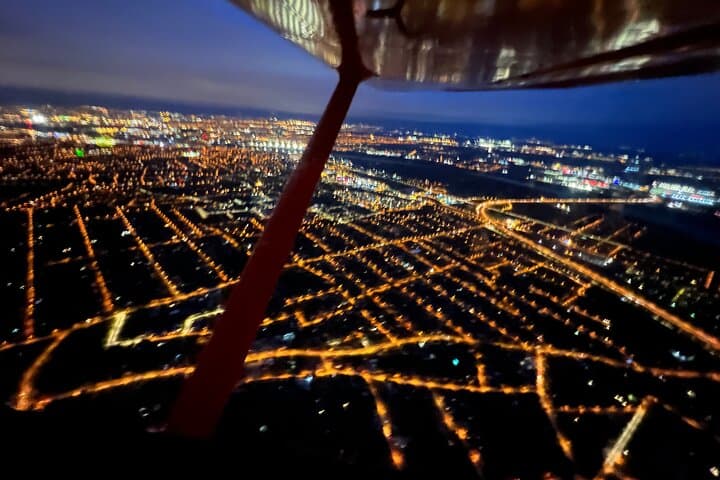
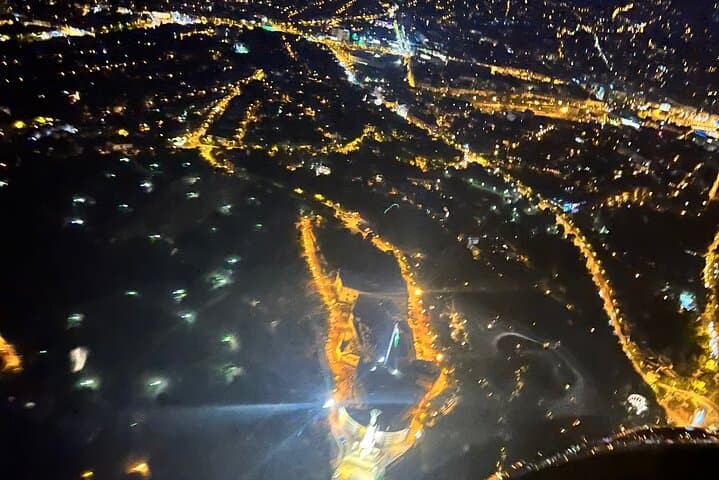
The Cessna climbs out over the Danube and the city below unfurls: the Parliament’s lace-like roof, the curve of the Chain Bridge, and the terraced sweep of Buda Castle shrinking into a patchwork of roofs. Wind thins, engines purr, and the pilot’s calm narration frames the city like a living map — streets, spires, and river all moving in slow relief beneath you.
The Cessna climbs out over the Danube and the city below unfurls: the Parliament’s lace-like roof, the curve of the Chain Bridge, and the terraced sweep of Buda Castle shrinking into a patchwork of roofs. Wind thins, engines purr, and the pilot’s calm narration frames the city like a living map — streets, spires, and river all moving in slow relief beneath you.
Budapest’s skyline reflects centuries of history split across Buda and Pest. The Danube carved trade routes and strategic lines; 19th-century fin-de-siècle architecture now sits adjacent to Ottoman-era baths and socialist-era housing blocks. From the air you can see geology at work — the rolling hills of Buda, the flat alluvial plains of Pest — and cultural markers: thermal bath domes, market halls, and the arc of Margaret Island like an urban park lung.
Expect a narrated, slow-flying tour tailored for photography. Routes include central Budapest and optional longer legs toward Visegrád Castle or Lake Balaton; pilots hold guaranteed window seating and deliberate low-speed passes for clear shots.
Practicalities: flights run 60–180 minutes, require passport and weight info, and are not recommended for those with serious heart conditions. Bring a small camera with a fast shutter, a windproof layer for open-cabin transfers, and timing early or late for the best light and calmer air. Operators will cancel for unsafe weather — plan a buffer day. From the air the Danube dares you to rethink the city; on the ground, use that perspective to pick a lookout and keep exploring.