THE ADVENTURE COLLECTIVE® · Independent discovery and booking for outdoor travel

Explore Budapest’s famous ruin bars on a lively 2.5-hour small-group walking tour through the Jewish Quarter. Visit 4–5 eclectic venues, learn local drinking customs, and get insider tips from your host.
Explore Budapest’s famous ruin bars on a lively 2.5-hour small-group walking tour through the Jewish Quarter. Visit 4–5 eclectic venues, learn local drinking customs, and get insider tips from your host.
You step off the tram into the low light of the VII District and the streets seem to rearrange themselves into doorways full of mismatched chairs, battered chandeliers and art pasted on crumbling plaster. The evening air smells of frying oil, strong coffee and hops — the city pushing you deeper into rooms that were once shops and storage cells, now humming with live music and improvised seating.
Verified experiences and guided adventures in the surrounding area.
Operated by eatwith · Budapest, Budapest
You step off the tram into the low light of the VII District and the streets seem to rearrange themselves into doorways full of mismatched chairs, battered chandeliers and art pasted on crumbling plaster. The evening air smells of frying oil, strong coffee and hops — the city pushing you deeper into rooms that were once shops and storage cells, now humming with live music and improvised seating.
Ruin bars began appearing in the late 1990s when young entrepreneurs repurposed derelict buildings left from wartime damage and decades of neglect. The geology here is flat alluvium beside the Danube; there’s no long climb, but the architecture carries layers of history — Austro-Hungarian facades, socialist-era repairs and graffiti that reads like a local conversation. Cultural life in the Jewish Quarter blends memorial sites and contemporary nightlife, and many bars preserve original details while adapting interiors for art, theater and community events.
Expect a mostly flat, walkable route of roughly 1–2 km over cobbles and occasional stairs, visiting 4–5 venues across 2.5 hours. Your guide will point out local drink customs (try a fröccs) and quieter spots where residents gather, while offering a list of late-night follow-ups.
Practical notes: bring ID; some doors have age checks. Wear sturdy street shoes for cobbles and small staircases; pockets are compact and spaces can be crowded. Travel light, plan at least one tram or walk back to central hotels, and pace drinks to enjoy the social history as much as the atmosphere.
easy.
2–3 hours.
Suitable for all fitness levels; mostly standing and short walks between venues
Yes—bars typically require a passport or national ID for entry, so bring it to avoid being turned away.
The tour includes a selection of alcoholic drinks and snacks as listed, but additional orders are paid to the venues.
Yes—hosts accommodate guests who don't drink and the atmosphere can be enjoyed for its culture and décor.
Small-group format caps at around 8 people to keep the experience social and mobile.
Ruin bars emerged in the late 1990s as creative reuse of abandoned buildings in Budapest’s Jewish Quarter, reflecting post-Communist cultural renewal.
These venues occupy historic structures—respect property, minimize noise late at night, and support local providers to help sustain the neighborhood.
eatwith operates guided outdoor trips and adventures with an emphasis on safety, stewardship, and memorable experiences.
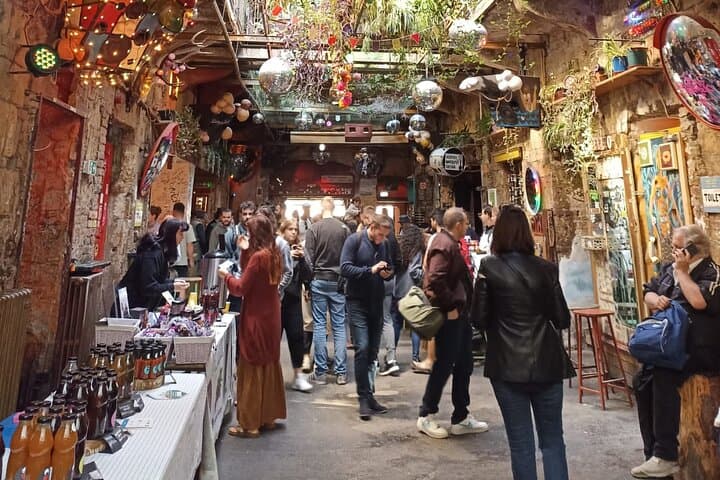
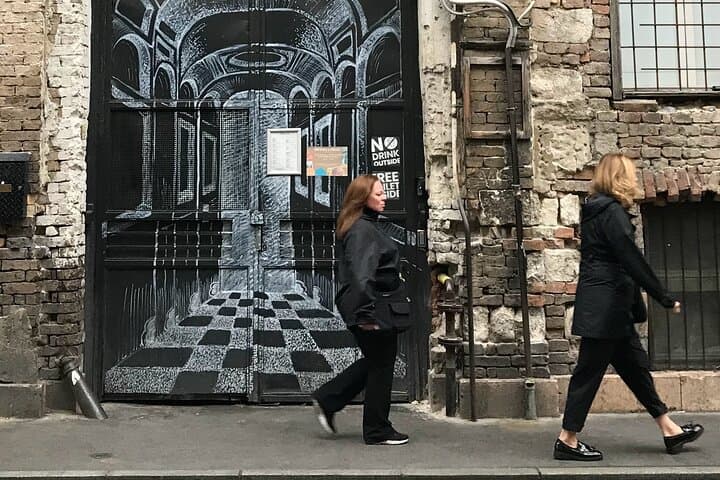
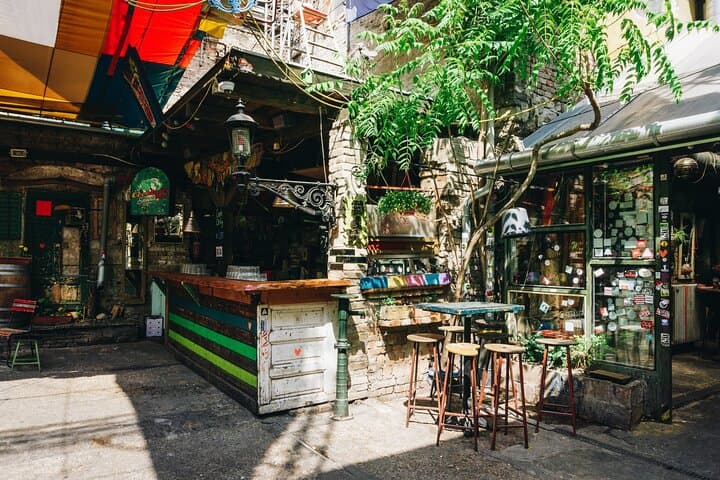
You step off the tram into the low light of the VII District and the streets seem to rearrange themselves into doorways full of mismatched chairs, battered chandeliers and art pasted on crumbling plaster. The evening air smells of frying oil, strong coffee and hops — the city pushing you deeper into rooms that were once shops and storage cells, now humming with live music and improvised seating.
You step off the tram into the low light of the VII District and the streets seem to rearrange themselves into doorways full of mismatched chairs, battered chandeliers and art pasted on crumbling plaster. The evening air smells of frying oil, strong coffee and hops — the city pushing you deeper into rooms that were once shops and storage cells, now humming with live music and improvised seating.
Ruin bars began appearing in the late 1990s when young entrepreneurs repurposed derelict buildings left from wartime damage and decades of neglect. The geology here is flat alluvium beside the Danube; there’s no long climb, but the architecture carries layers of history — Austro-Hungarian facades, socialist-era repairs and graffiti that reads like a local conversation. Cultural life in the Jewish Quarter blends memorial sites and contemporary nightlife, and many bars preserve original details while adapting interiors for art, theater and community events.
Expect a mostly flat, walkable route of roughly 1–2 km over cobbles and occasional stairs, visiting 4–5 venues across 2.5 hours. Your guide will point out local drink customs (try a fröccs) and quieter spots where residents gather, while offering a list of late-night follow-ups.
Practical notes: bring ID; some doors have age checks. Wear sturdy street shoes for cobbles and small staircases; pockets are compact and spaces can be crowded. Travel light, plan at least one tram or walk back to central hotels, and pace drinks to enjoy the social history as much as the atmosphere.