THE ADVENTURE COLLECTIVE® · Independent discovery and booking for outdoor travel

A focused two-hour walking tour that pairs Budapest’s monumental Parliament with the poignant Shoes on the Danube Bank memorial. Expect history, architecture, and local recommendations from an experienced guide.
A focused two-hour walking tour that pairs Budapest’s monumental Parliament with the poignant Shoes on the Danube Bank memorial. Expect history, architecture, and local recommendations from an experienced guide.
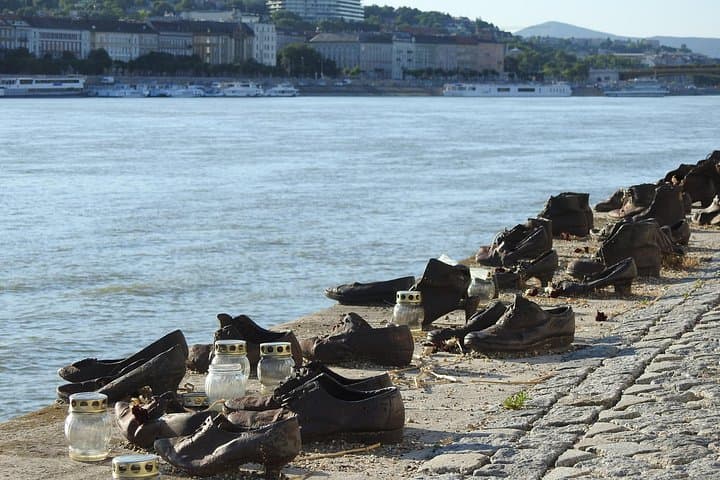
The guide ushers the group out onto the Danube promenade as the city wakes: morning light glints off the Parliament’s golden dome while the river, steady and insistent, pushes the city’s stories downstream. Walking here is a motion picture of stone and water—trams rumble, café steam rises, and the Shoes on the Danube Bank waits quietly, metal shoes facing the river like a held breath.
Verified experiences and guided adventures in the surrounding area.
Operated by Luna Walking Tours · Budapest, Budapest
The guide ushers the group out onto the Danube promenade as the city wakes: morning light glints off the Parliament’s golden dome while the river, steady and insistent, pushes the city’s stories downstream. Walking here is a motion picture of stone and water—trams rumble, café steam rises, and the Shoes on the Danube Bank waits quietly, metal shoes facing the river like a held breath.
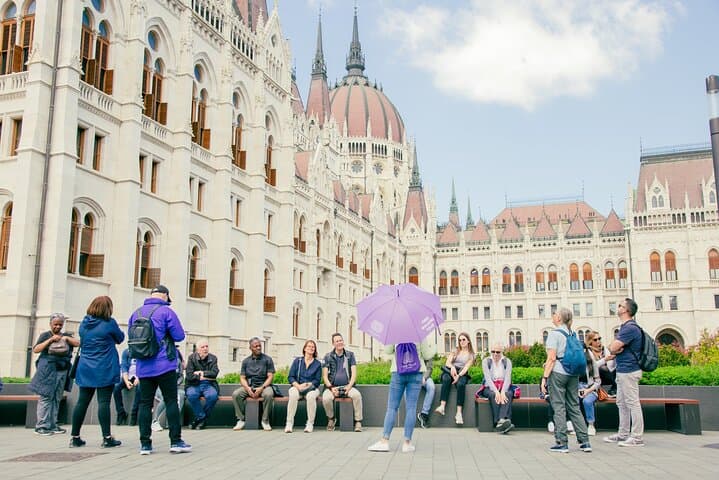
This two-hour route threads through Budapest’s layered past. The neo-Gothic Parliament—completed in the early 20th century—embodies Hungary’s political ambitions; across the way, the Shoes memorial (installed in 2005) confronts wartime violence with minimalist honesty. Geologically, the tour follows the Danube’s low floodplain with the rolling Buda hills across the river, a visible divide between urban plains and older volcanic terrain.
Culturally the walk hits civic squares and café culture: Vörösmarty Square and Gerbeaud Café speak to Austro-Hungarian coffeehouse traditions, while the Chain Bridge marks the 19th-century push for national continuity. Local guides add oral history, practical restaurant tips, and neighborhood rhythms you won’t find in guidebooks.
Practical guide: expect two hours of mostly flat urban walking with frequent stops for interpretation; plan for about 1.5–3 km covered on paved surfaces. Wear comfortable shoes, bring a water bottle and a light layer for river wind. Arrive early to avoid crowds at the Parliament frontage and keep voices low at memorial sites. The tour is wheelchair- and stroller-accessible; check with the operator for specific meeting points and mobility accommodations.
easy.
2 hours.
Suitable for all fitness levels; mainly flat walking with short standing intervals.
Yes—this itinerary and meeting areas are listed as wheelchair and stroller accessible; contact the operator in advance to confirm specific access needs.
No—this tour provides exterior interpretation of the Parliament’s architecture and history; separate tickets are required to enter the building.
The tour stops at the memorial for about 10–15 minutes for reflection and explanation; guests should remain respectful and avoid stepping into the river edge areas.
Yes—guides are local professionals who share history, legends, and personal recommendations for restaurants, baths, and off-path sights.
The Parliament was completed in the early 1900s as a centerpiece of Hungarian statehood; the Shoes memorial was installed in 2005 to honor Holocaust victims executed on the riverbank.
Visitors are asked to treat memorial sites with respect and avoid leaving litter; using public transport and walking helps reduce the city’s visitor footprint.
Luna Walking Tours operates guided outdoor trips and adventures with an emphasis on safety, stewardship, and memorable experiences.
The guide ushers the group out onto the Danube promenade as the city wakes: morning light glints off the Parliament’s golden dome while the river, steady and insistent, pushes the city’s stories downstream. Walking here is a motion picture of stone and water—trams rumble, café steam rises, and the Shoes on the Danube Bank waits quietly, metal shoes facing the river like a held breath.
The guide ushers the group out onto the Danube promenade as the city wakes: morning light glints off the Parliament’s golden dome while the river, steady and insistent, pushes the city’s stories downstream. Walking here is a motion picture of stone and water—trams rumble, café steam rises, and the Shoes on the Danube Bank waits quietly, metal shoes facing the river like a held breath.
This two-hour route threads through Budapest’s layered past. The neo-Gothic Parliament—completed in the early 20th century—embodies Hungary’s political ambitions; across the way, the Shoes memorial (installed in 2005) confronts wartime violence with minimalist honesty. Geologically, the tour follows the Danube’s low floodplain with the rolling Buda hills across the river, a visible divide between urban plains and older volcanic terrain.
Culturally the walk hits civic squares and café culture: Vörösmarty Square and Gerbeaud Café speak to Austro-Hungarian coffeehouse traditions, while the Chain Bridge marks the 19th-century push for national continuity. Local guides add oral history, practical restaurant tips, and neighborhood rhythms you won’t find in guidebooks.
Practical guide: expect two hours of mostly flat urban walking with frequent stops for interpretation; plan for about 1.5–3 km covered on paved surfaces. Wear comfortable shoes, bring a water bottle and a light layer for river wind. Arrive early to avoid crowds at the Parliament frontage and keep voices low at memorial sites. The tour is wheelchair- and stroller-accessible; check with the operator for specific meeting points and mobility accommodations.