THE ADVENTURE COLLECTIVE® · Independent discovery and booking for outdoor travel

Walk Budapest at human scale: tiny bronze sculptures by Kolodko punctuate streets, parks, and tram corners while a guide ties each figure to local legend and neighborhood life. This easy 2–3 hour tour crosses Pest and Buda and includes public transport.
Walk Budapest at human scale: tiny bronze sculptures by Kolodko punctuate streets, parks, and tram corners while a guide ties each figure to local legend and neighborhood life. This easy 2–3 hour tour crosses Pest and Buda and includes public transport.
You step off the tram into a pocket of Budapest where scale plays tricks: the city’s boulevards and grand façades give way to bronze figures no larger than a loaf of bread, each planted in a doorway, on a bench, or half-hidden in a gutter.
Verified experiences and guided adventures in the surrounding area.
Operated by Mészáros Etele · Budapest, Central Hungary
You step off the tram into a pocket of Budapest where scale plays tricks: the city’s boulevards and grand façades give way to bronze figures no larger than a loaf of bread, each planted in a doorway, on a bench, or half-hidden in a gutter.
The Kolodko mini sculptures tour threads through Erzsébetváros, sweeps into Városliget (City Park), and finishes across the Danube on Buda, tracing neighborhoods that shaped modern Budapest. Mihail (Mihály) Kolodko’s small works riff on local folklore and everyday characters; they make street corners feel like pages from a living chronicle. The walk also crosses subtle geological markers — the flat, paved Pest plain contrasted with the gentle rise of Buda’s hills — and touches on the city’s layered history from Ottoman streets to Austro-Hungarian boulevards.
Along the route you’ll notice public-life details: tram lines clacking, thermal bath roofs, and pocket parks that became canvases for humor and memory. Guides pair sculpture stories with neighborhood anecdotes, situating each figure in social and cultural context rather than presenting them as isolated curiosities.
Practical guidance: the tour is easy-paced, about 2½ hours with public-transport segments (tickets included). Wear broken-in walking shoes and be ready for cobbles and short tram hops. Bring a charged phone with a zoom and comfortable layers for changing weather; City Park can be windy while Buda’s side shelters you behind hills. Small-group size keeps the experience conversational — arrive 10 minutes early, and expect plenty of photo stops and neighborhood detours.
easy.
2–3 hours.
Suitable for most fitness levels; expect 2–3 hours of standing and walking with short public-transport segments.
Yes—tickets for public transport segments are included in the tour price, so you won’t need to buy separate single tickets during the itinerary.
The tour runs about 2.5 hours; it typically starts in the 7th district (Pest) and finishes on the Buda side in a downtown location convenient for return transit.
The tour is rated easy and suitable for most ages, but there is walking on cobbles and short stair sections; contact the operator ahead if mobility is a concern.
Group size is kept small—up to eight travelers—allowing time for close-up views and Q&A with the guide.
Kolodko’s small-scale bronzes are part of Budapest’s living street-art tradition, set against a city shaped by Ottoman, Habsburg and modern urban layers.
Respect public art: don’t touch or move sculptures, and stick to sidewalks and designated paths to minimize wear on historic stone and parkland.
Mészáros Etele operates guided outdoor trips and adventures with an emphasis on safety, stewardship, and memorable experiences.
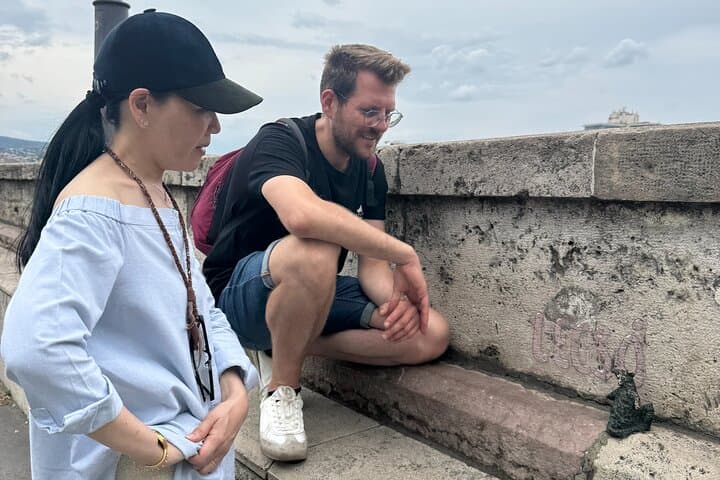
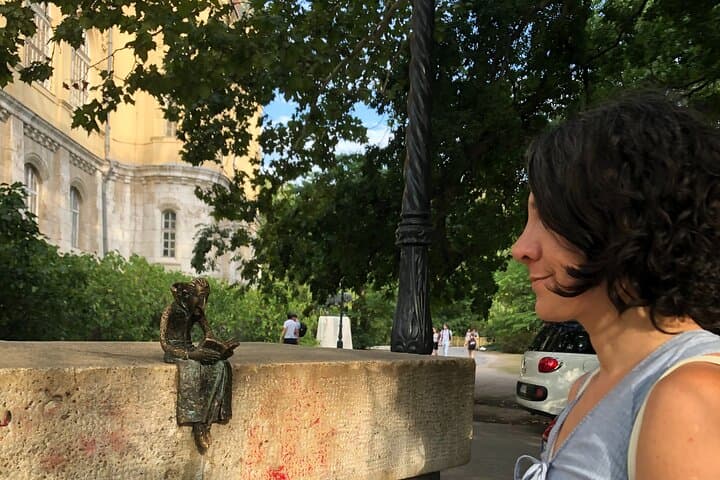
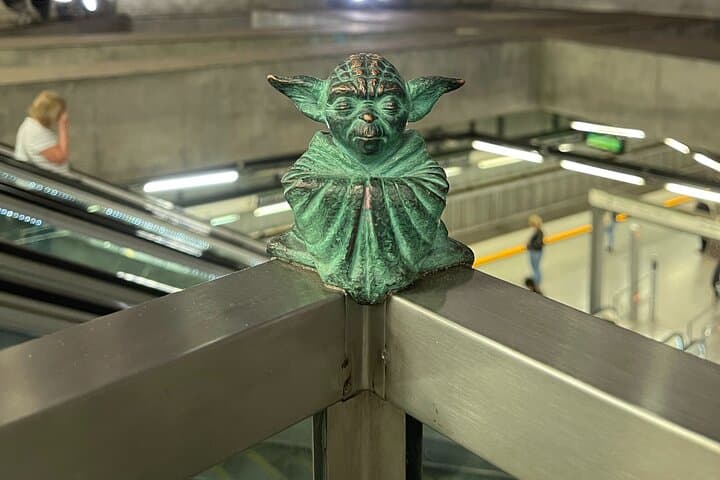
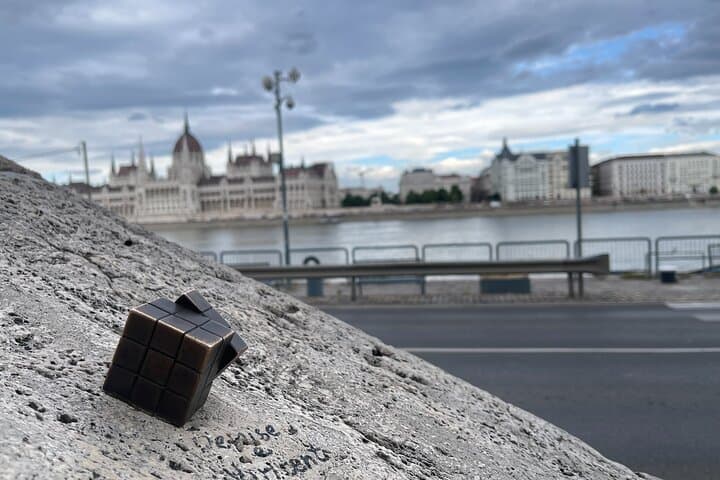
You step off the tram into a pocket of Budapest where scale plays tricks: the city’s boulevards and grand façades give way to bronze figures no larger than a loaf of bread, each planted in a doorway, on a bench, or half-hidden in a gutter.
You step off the tram into a pocket of Budapest where scale plays tricks: the city’s boulevards and grand façades give way to bronze figures no larger than a loaf of bread, each planted in a doorway, on a bench, or half-hidden in a gutter.
The Kolodko mini sculptures tour threads through Erzsébetváros, sweeps into Városliget (City Park), and finishes across the Danube on Buda, tracing neighborhoods that shaped modern Budapest. Mihail (Mihály) Kolodko’s small works riff on local folklore and everyday characters; they make street corners feel like pages from a living chronicle. The walk also crosses subtle geological markers — the flat, paved Pest plain contrasted with the gentle rise of Buda’s hills — and touches on the city’s layered history from Ottoman streets to Austro-Hungarian boulevards.
Along the route you’ll notice public-life details: tram lines clacking, thermal bath roofs, and pocket parks that became canvases for humor and memory. Guides pair sculpture stories with neighborhood anecdotes, situating each figure in social and cultural context rather than presenting them as isolated curiosities.
Practical guidance: the tour is easy-paced, about 2½ hours with public-transport segments (tickets included). Wear broken-in walking shoes and be ready for cobbles and short tram hops. Bring a charged phone with a zoom and comfortable layers for changing weather; City Park can be windy while Buda’s side shelters you behind hills. Small-group size keeps the experience conversational — arrive 10 minutes early, and expect plenty of photo stops and neighborhood detours.