THE ADVENTURE COLLECTIVE® · Independent discovery and booking for outdoor travel

Covering Budapest’s key sights in a long day from Vienna, this guided tour pairs a compact walking itinerary with three hours of free time to explore. Expect efficient transport, cultural highlights and panoramic views along the Danube.
Covering Budapest’s key sights in a long day from Vienna, this guided tour pairs a compact walking itinerary with three hours of free time to explore. Expect efficient transport, cultural highlights and panoramic views along the Danube.
You step into an air‑conditioned van in Vienna before dawn, the road unfurling through flat agricultural plains as the Danube drawing you toward a very different skyline. By midmorning the city’s domes and bridges resolve into view; Budapest greets you with a long, layered history written in stone and steam.
Verified experiences and guided adventures in the surrounding area.
Operated by R - Transfer · Budapest, Central Hungary
You step into an air‑conditioned van in Vienna before dawn, the road unfurling through flat agricultural plains as the Danube drawing you toward a very different skyline. By midmorning the city’s domes and bridges resolve into view; Budapest greets you with a long, layered history written in stone and steam.
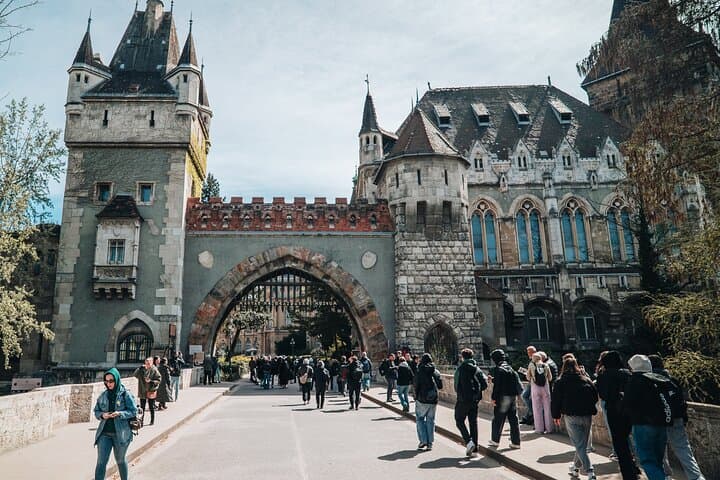
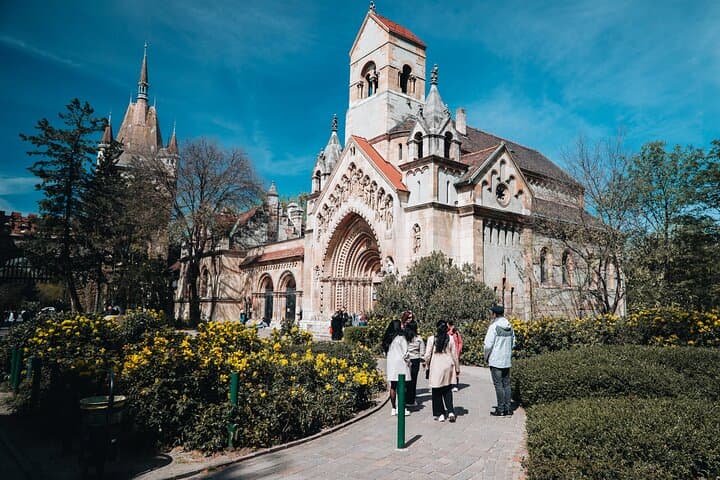
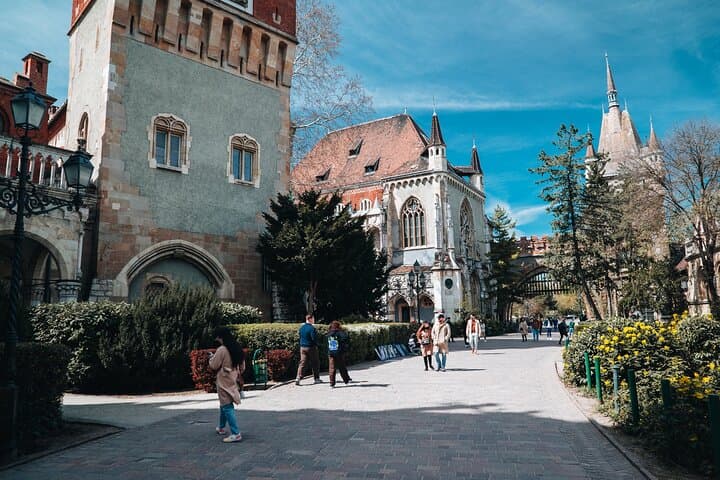
The guided portion moves with purposeful pace: Heroes' Square opens like a chapter on Hungarian nationhood, then the fairytale turrets of Vajdahunyad Castle and the warm, mineral steam rising from Széchenyi Thermal Baths. The tour threads by the neo‑Gothic Parliament and the quiet, heartbreaking Shoes on the Danube Bank memorial, then crosses the Chain Bridge to climb toward St. Stephen’s Basilica, Buda Castle and the pale terraces of Fisherman’s Bastion with its sweeping river panoramas.
Geology and history are visible together here — the Danube’s channel carved the economic spine of the city while Buda’s limestone ridges created defensible high ground and lookout points that shaped medieval settlement. Cultural texture shows in thermal bathing rituals, café life, and distinct architectural eras from Ottoman traces to Austro‑Hungarian grandeur.
Practical notes: the full day runs about 12½ hours with roughly two hours each way by van, a two‑hour guided walk and three hours free time to explore, eat or visit a bath. Wear comfortable walking shoes, carry a reusable water bottle, and budget local currency for cafés and entrance fees. Schengen travel means no routine border formalities between Austria and Hungary, but be mindful of time — the group departs on a schedule.
moderate.
12–13 hours.
Suitable for travelers who can handle several hours of walking and stairs; not strenuous but long days and standing are required.
The itinerary schedules approximately two hours each way by van, depending on traffic; plan for a full day trip of about 12–13 hours total.
Yes — the itinerary highlights Széchenyi Baths and you’ll have three hours of free time which can be used to visit a thermal bath, though entry lines and changing room time should be factored in.
Both countries are in the Schengen Area so routine border checks are uncommon, but carry identification (passport or national ID) as a best practice.
Meals are not included; bottled water and transport fees are covered, so budget separately for lunch, snacks or paid museum entries during free time.
Budapest grew from distinct towns — Buda, Óbuda and Pest — that merged in 1873; its urban form reflects Roman origins, medieval fortifications and intense 19th‑century Austro‑Hungarian development.
Riverbank maintenance and heritage protection are priorities; when visiting memorials and historic sites stick to marked paths and follow local waste‑reduction practices.
R - Transfer operates guided outdoor trips and adventures with an emphasis on safety, stewardship, and memorable experiences.
You step into an air‑conditioned van in Vienna before dawn, the road unfurling through flat agricultural plains as the Danube drawing you toward a very different skyline. By midmorning the city’s domes and bridges resolve into view; Budapest greets you with a long, layered history written in stone and steam.
You step into an air‑conditioned van in Vienna before dawn, the road unfurling through flat agricultural plains as the Danube drawing you toward a very different skyline. By midmorning the city’s domes and bridges resolve into view; Budapest greets you with a long, layered history written in stone and steam.
The guided portion moves with purposeful pace: Heroes' Square opens like a chapter on Hungarian nationhood, then the fairytale turrets of Vajdahunyad Castle and the warm, mineral steam rising from Széchenyi Thermal Baths. The tour threads by the neo‑Gothic Parliament and the quiet, heartbreaking Shoes on the Danube Bank memorial, then crosses the Chain Bridge to climb toward St. Stephen’s Basilica, Buda Castle and the pale terraces of Fisherman’s Bastion with its sweeping river panoramas.
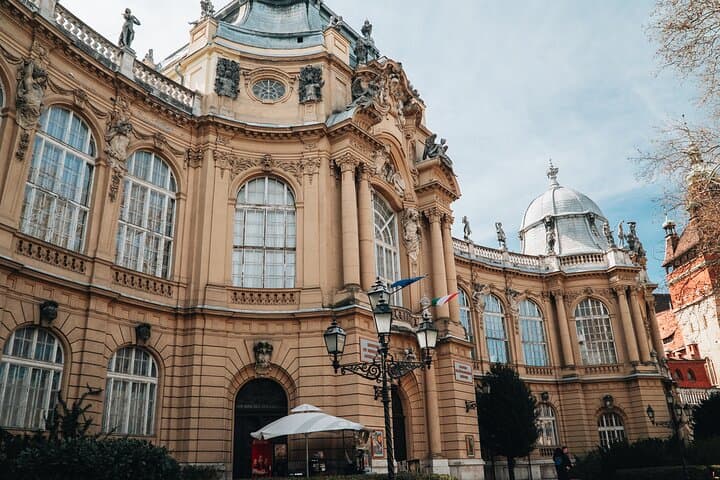
Geology and history are visible together here — the Danube’s channel carved the economic spine of the city while Buda’s limestone ridges created defensible high ground and lookout points that shaped medieval settlement. Cultural texture shows in thermal bathing rituals, café life, and distinct architectural eras from Ottoman traces to Austro‑Hungarian grandeur.
Practical notes: the full day runs about 12½ hours with roughly two hours each way by van, a two‑hour guided walk and three hours free time to explore, eat or visit a bath. Wear comfortable walking shoes, carry a reusable water bottle, and budget local currency for cafés and entrance fees. Schengen travel means no routine border formalities between Austria and Hungary, but be mindful of time — the group departs on a schedule.