THE ADVENTURE COLLECTIVE® · Independent discovery and booking for outdoor travel

Cut through Budapest’s skyline on a 60‑minute helicopter route from Budaörs to the Danube Bend. See Parliament, Buda Castle, Szentendre and Visegrád Castle from a focused, cinematic vantage point.
Cut through Budapest’s skyline on a 60‑minute helicopter route from Budaörs to the Danube Bend. See Parliament, Buda Castle, Szentendre and Visegrád Castle from a focused, cinematic vantage point.
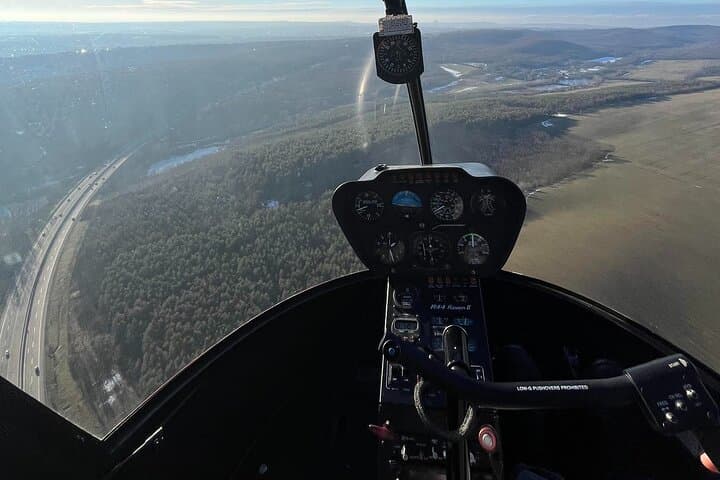
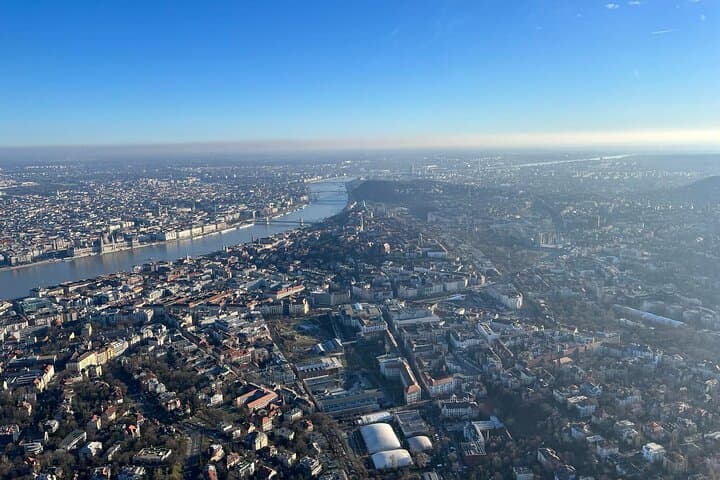
The rotors settle into a steady, hypnotic thrum as the airport apron drops away and Budapest unfolds beneath you—riverside spines of bridges, the Parliament’s spires stabbing the skyline, and the green crown of Gellért Hill holding its century-old citadel.
Verified experiences and guided adventures in the surrounding area.
Operated by Fly-Coop Ltd. · Budaörs, Pest
The rotors settle into a steady, hypnotic thrum as the airport apron drops away and Budapest unfolds beneath you—riverside spines of bridges, the Parliament’s spires stabbing the skyline, and the green crown of Gellért Hill holding its century-old citadel.
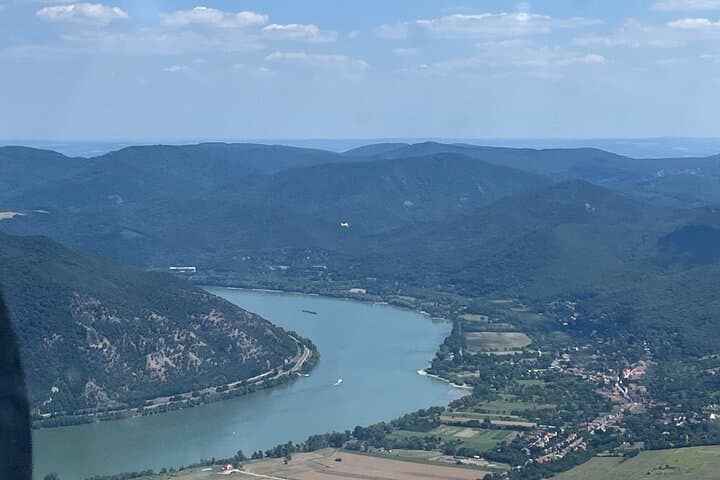
From the air the city reads differently: Buda’s terraced roofs and the castle district look like stages of history, while the Danube dares you to follow it north where its current curls into the Danube Bend. Vous rendezvous with towns—Margaret Island’s lawns, Szentendre’s painted rooftops—and finally the craggy silhouette of Visegrád Castle perched over a sweeping river meander.
This 60-minute route threads built heritage and natural geology. The Parliament’s neo-Gothic façade and Buda Castle’s medieval layers reflect Hungary’s shifting capitals, while the Danube Bend exposes the Pannonian Basin’s gentle folds and steep volcanic-era ridges that frame the river.
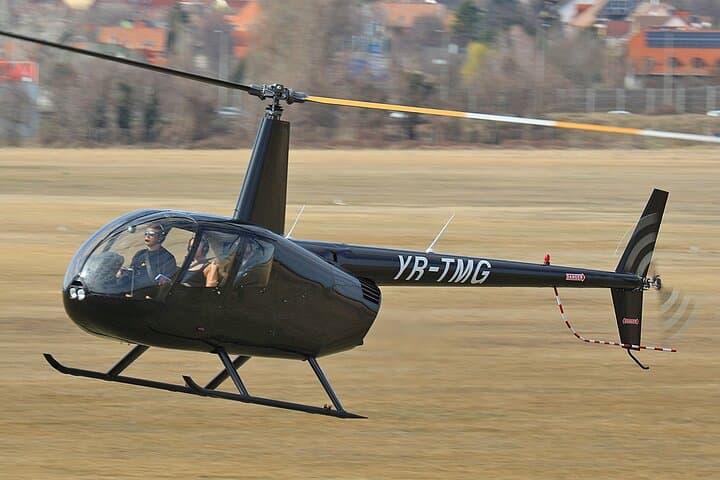
Practical notes: flights depart from Budaörs Airport; expect a preflight safety briefing, ID and passport details at booking, and infant lap seating. Weather dictates go/no-go decisions—low clouds or strong winds commonly trigger cancellations. Photographers will find golden-hour flights especially rewarding; light and reflections on the Danube reveal patterns invisible from the street.
Plan for convenience: arrive 30–45 minutes early for check-in, wear layers (helicopter cabins can feel cool), bring a camera with a fast lens and a strap, and secure loose items. If you’re prone to motion sickness, take precautions. This route is an efficient, cinematic way to read Budapest’s history from above while sampling the quieter, sculpted landscape of the Danube Bend.
easy.
1 hour.
No special fitness required; passengers should be able to board and sit unassisted for the duration
Yes—infants are permitted but must sit on an adult’s lap for the duration, per operator policy.
The operator cancels for unsafe weather; you’ll receive a full refund if canceled at least 24 hours before departure or rebooking options if they cancel due to conditions.
Yes—photography is encouraged; secure cameras and use straps. Avoid opening doors or windows unless the operator specifies otherwise.
Bookings request passenger weights and passport details at time of reservation—these are used for safety and identification during check-in.
Visegrád was once a royal seat in the Middle Ages; the Buda Castle complex and Parliament reflect centuries of Hungarian political and architectural evolution.
Helicopter operations can increase noise and disturbance—choose operators who minimize low passes over sensitive habitats and follow pilot guidance to reduce impact.
Fly-Coop Ltd. operates guided outdoor trips and adventures with an emphasis on safety, stewardship, and memorable experiences.
The rotors settle into a steady, hypnotic thrum as the airport apron drops away and Budapest unfolds beneath you—riverside spines of bridges, the Parliament’s spires stabbing the skyline, and the green crown of Gellért Hill holding its century-old citadel.
The rotors settle into a steady, hypnotic thrum as the airport apron drops away and Budapest unfolds beneath you—riverside spines of bridges, the Parliament’s spires stabbing the skyline, and the green crown of Gellért Hill holding its century-old citadel.
From the air the city reads differently: Buda’s terraced roofs and the castle district look like stages of history, while the Danube dares you to follow it north where its current curls into the Danube Bend. Vous rendezvous with towns—Margaret Island’s lawns, Szentendre’s painted rooftops—and finally the craggy silhouette of Visegrád Castle perched over a sweeping river meander.
This 60-minute route threads built heritage and natural geology. The Parliament’s neo-Gothic façade and Buda Castle’s medieval layers reflect Hungary’s shifting capitals, while the Danube Bend exposes the Pannonian Basin’s gentle folds and steep volcanic-era ridges that frame the river.
Practical notes: flights depart from Budaörs Airport; expect a preflight safety briefing, ID and passport details at booking, and infant lap seating. Weather dictates go/no-go decisions—low clouds or strong winds commonly trigger cancellations. Photographers will find golden-hour flights especially rewarding; light and reflections on the Danube reveal patterns invisible from the street.
Plan for convenience: arrive 30–45 minutes early for check-in, wear layers (helicopter cabins can feel cool), bring a camera with a fast lens and a strap, and secure loose items. If you’re prone to motion sickness, take precautions. This route is an efficient, cinematic way to read Budapest’s history from above while sampling the quieter, sculpted landscape of the Danube Bend.