THE ADVENTURE COLLECTIVE® · Independent discovery and booking for outdoor travel

Follow 11 puzzle-based clues through Budapest’s most eerie landmarks—Vajdahunyad Castle, Heroes' Square and the House of Terror—on a self-guided city game best enjoyed at dusk. Solve mysteries at your own pace with just a phone, fresh batteries and a taste for urban history.
Follow 11 puzzle-based clues through Budapest’s most eerie landmarks—Vajdahunyad Castle, Heroes' Square and the House of Terror—on a self-guided city game best enjoyed at dusk. Solve mysteries at your own pace with just a phone, fresh batteries and a taste for urban history.
The Danube dares you as dusk hollows the boulevards and lamps throw long shadows across Heroes' Square. You follow a string of clues on your phone, each solved step folding the city into a darker map—Vajdahunyad Castle’s crenellations, the blank-faced façade of the House of Terror, and alleys where pavement remembers other eras.
Verified experiences and guided adventures in the surrounding area.
Operated by Questo · Budapest, Budapest
The Danube dares you as dusk hollows the boulevards and lamps throw long shadows across Heroes' Square. You follow a string of clues on your phone, each solved step folding the city into a darker map—Vajdahunyad Castle’s crenellations, the blank-faced façade of the House of Terror, and alleys where pavement remembers other eras.
Budapest’s streets carry layered history: Roman settlements, Ottoman occupation, Habsburg modernization and the 20th-century upheavals that feed many of its ghost stories. Geologically the city divides—Pest’s flat alluvial plain meets the limestone and sandstone folds of the Buda Hills—so your route moves between broad avenues and pockets of older stonework that hold echoes and acoustics suited to good storytelling.
Culturally this is a city of cafés, ruin pubs and public memorials; the game plucks local legends and wartime scars into compact, puzzle-driven scenes. Expect stops at publicly visible landmarks rather than inside museums—each clue is a prompt to look, read and imagine the lives that left traces here.
Practical guidance: plan 90–120 minutes, keep your phone charged and map the route before dark. Wear comfortable walking shoes—cobbles and tram tracks are common—and use public transit to reach start or to leave if you don’t want a long walk back. The experience is self-paced and ideal for small groups, couples or solo explorers who enjoy light urban navigation and historical thrills. Respect memorial sites, watch traffic on busy roads, and pause when clues send you into crowded squares.
easy.
1.5–2 hours.
Basic walking fitness; suitable for most people who can manage 2–4 miles/3–6 km of urban walking
No, it’s a self-guided experience delivered via a mobile access code—players proceed at their own pace.
Yes, the game is available anytime, but dusk or night enhances the atmosphere; stick to well-lit areas after dark.
No museum admissions are required—the route uses public spaces and external views of landmarks included in the clues.
Generally yes for older children who can solve puzzles and walk the route; younger kids may need supervision and earlier start times.
Budapest’s ghost stories draw on layered histories: medieval Buda, Ottoman rule, Habsburg-era transformation and 20th-century political turbulence—sites like the House of Terror reference real, often tragic, pasts.
Keep to public pathways, avoid disturbing memorials or historic façades and dispose of waste properly; urban heritage sites are vulnerable to vandalism and wear.
Questo operates guided outdoor trips and adventures with an emphasis on safety, stewardship, and memorable experiences.
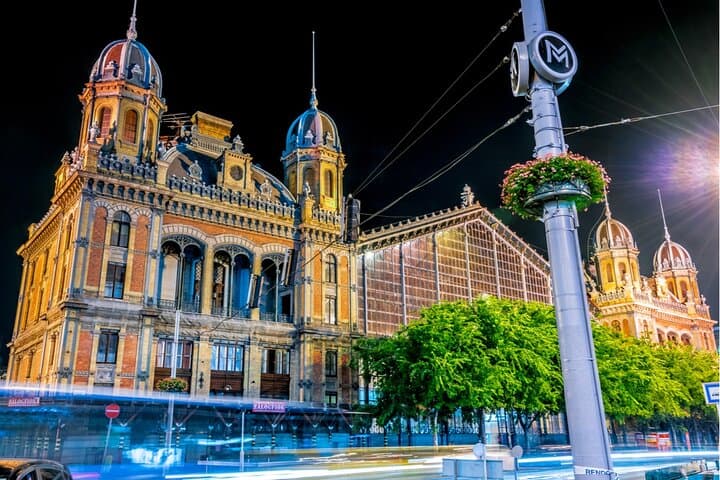
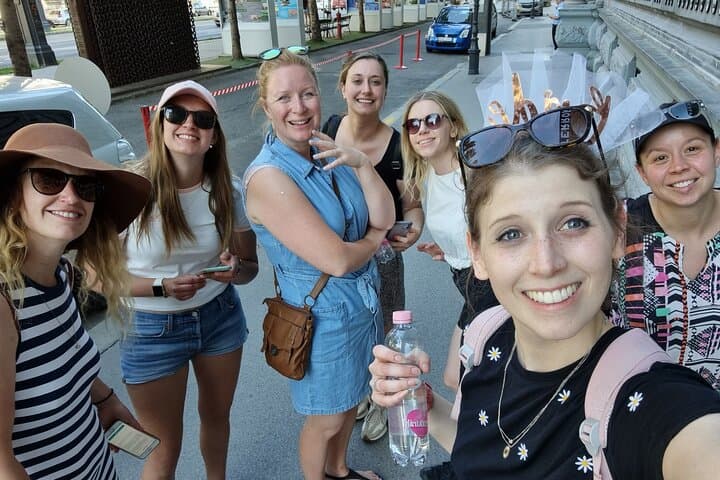
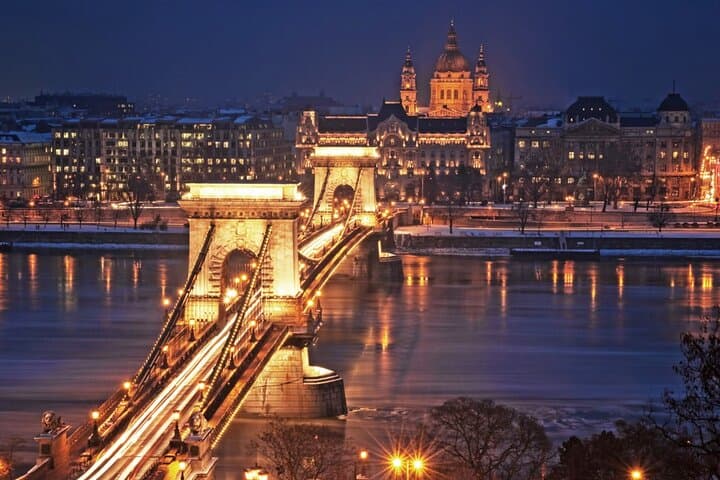
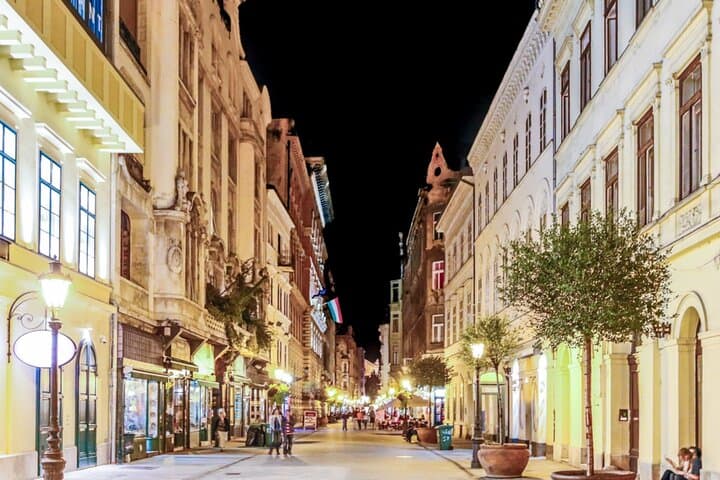
The Danube dares you as dusk hollows the boulevards and lamps throw long shadows across Heroes' Square. You follow a string of clues on your phone, each solved step folding the city into a darker map—Vajdahunyad Castle’s crenellations, the blank-faced façade of the House of Terror, and alleys where pavement remembers other eras.
The Danube dares you as dusk hollows the boulevards and lamps throw long shadows across Heroes' Square. You follow a string of clues on your phone, each solved step folding the city into a darker map—Vajdahunyad Castle’s crenellations, the blank-faced façade of the House of Terror, and alleys where pavement remembers other eras.
Budapest’s streets carry layered history: Roman settlements, Ottoman occupation, Habsburg modernization and the 20th-century upheavals that feed many of its ghost stories. Geologically the city divides—Pest’s flat alluvial plain meets the limestone and sandstone folds of the Buda Hills—so your route moves between broad avenues and pockets of older stonework that hold echoes and acoustics suited to good storytelling.
Culturally this is a city of cafés, ruin pubs and public memorials; the game plucks local legends and wartime scars into compact, puzzle-driven scenes. Expect stops at publicly visible landmarks rather than inside museums—each clue is a prompt to look, read and imagine the lives that left traces here.
Practical guidance: plan 90–120 minutes, keep your phone charged and map the route before dark. Wear comfortable walking shoes—cobbles and tram tracks are common—and use public transit to reach start or to leave if you don’t want a long walk back. The experience is self-paced and ideal for small groups, couples or solo explorers who enjoy light urban navigation and historical thrills. Respect memorial sites, watch traffic on busy roads, and pause when clues send you into crowded squares.