THE ADVENTURE COLLECTIVE® · Independent discovery and booking for outdoor travel

Walk Budapest’s hills in a wearable robot: this 2.5-hour exoskeleton tour eases climbs to Gellért Hill and Castle Hill, letting you linger at skyline views without the leg burn. Learn city history, try the tech, and cross the Chain Bridge in a new kind of stride.
Walk Budapest’s hills in a wearable robot: this 2.5-hour exoskeleton tour eases climbs to Gellért Hill and Castle Hill, letting you linger at skyline views without the leg burn. Learn city history, try the tech, and cross the Chain Bridge in a new kind of stride.
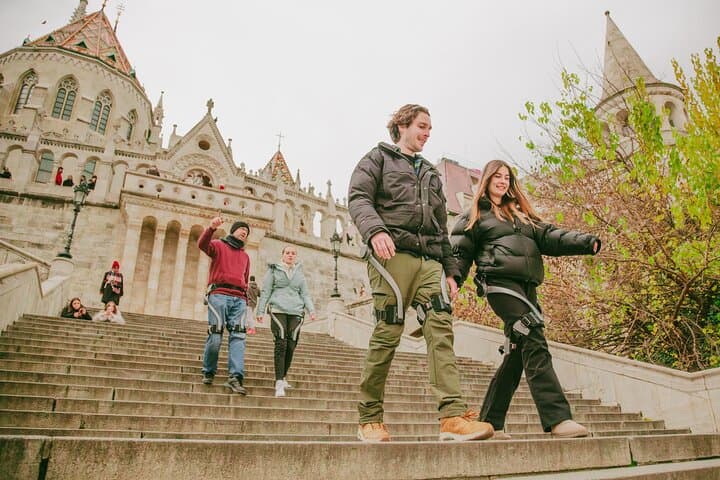
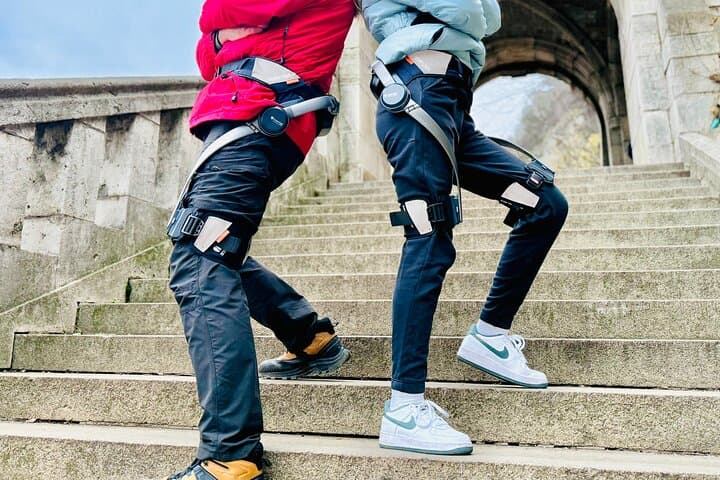
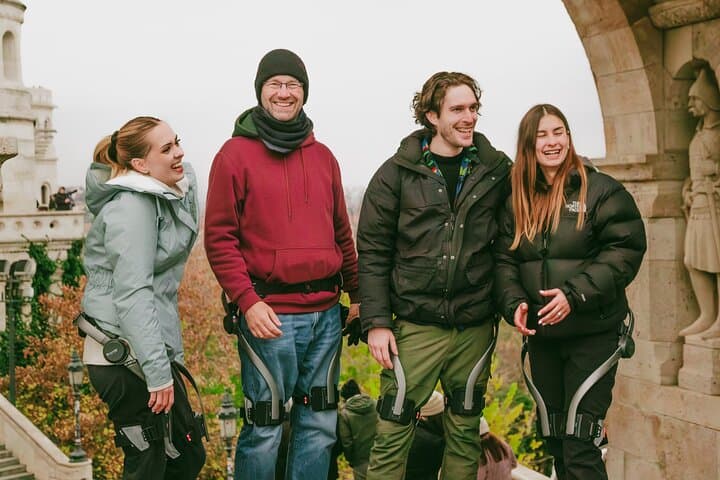
You step out onto the cobbles with a compact frame strapped to your hips and thighs; the city’s slopes no longer dig into your legs but roll beneath you like a friendly current. The tour moves from the Danube’s edge up Gellért Hill, over to Castle Hill and Fisherman’s Bastion, and back along terraces that give the Parliament and the Chain Bridge room to breathe in the distance.
Verified experiences and guided adventures in the surrounding area.
Operated by E-Magine Rides Budapest · Budapest, Budapest
You step out onto the cobbles with a compact frame strapped to your hips and thighs; the city’s slopes no longer dig into your legs but roll beneath you like a friendly current. The tour moves from the Danube’s edge up Gellért Hill, over to Castle Hill and Fisherman’s Bastion, and back along terraces that give the Parliament and the Chain Bridge room to breathe in the distance.
These hills are more than viewpoints. Gellért’s limestone and loess slopes have guided settlement and defense for centuries; Castle Hill has been a royal seat, ruin, and restoration, each layer readable in its stone and streets. The exoskeleton feels like civic infrastructure turned wearable — a mechanical assist that reduces perceived elevation gain and lets you linger at lookout points without the usual leg fatigue.
Expect paved switchbacks, short stair flights, and cobbles: about 3–4 km of walking with 80–150 m of elevation climbed in total, spread across several ascents. Terrain can be steep but is entirely urban; the device smooths stair climbs and long slopes but you still walk under your own control. Guides pair local history with tech briefing and fittings, so you'll move efficiently between stops.
Practical edge: bring supportive footwear, a filled water bottle, and a light jacket; tours run about 2.5 hours and include basic safety briefing. If you want more views and less strain, this tour compresses distance and opens up one more viewpoint at the end of the day.
moderate.
2–3 hours.
Suitable for most fitness levels since the exoskeleton reduces perceived effort, but expect standing and walking on uneven urban surfaces.
The device is designed to assist walking and is fitted by staff, but it’s not a medical device; people with serious heart conditions or other contraindications should consult a physician and alert the operator.
The tour includes steep urban slopes and short flights of stairs; the exoskeleton reduces effort but you still walk and may navigate steps under guide direction.
Limits vary by operator and model—inform the booking team of your height/weight after purchase so they can confirm fit during briefing.
Tours are guided by certified local guides (check availability for language options) and offer instant confirmation at booking where shown.
Gellért Hill and Castle Hill have served strategic and symbolic roles for Budapest for centuries—fortifications, royal residences, and reconstruction after wartime destruction shape today’s viewpoints.
Stay on marked paths and avoid climbing monuments; these historic hills are protected urban green spaces where trampling and litter affect soil stability and heritage features.
E-Magine Rides Budapest operates guided outdoor trips and adventures with an emphasis on safety, stewardship, and memorable experiences.

You step out onto the cobbles with a compact frame strapped to your hips and thighs; the city’s slopes no longer dig into your legs but roll beneath you like a friendly current. The tour moves from the Danube’s edge up Gellért Hill, over to Castle Hill and Fisherman’s Bastion, and back along terraces that give the Parliament and the Chain Bridge room to breathe in the distance.
You step out onto the cobbles with a compact frame strapped to your hips and thighs; the city’s slopes no longer dig into your legs but roll beneath you like a friendly current. The tour moves from the Danube’s edge up Gellért Hill, over to Castle Hill and Fisherman’s Bastion, and back along terraces that give the Parliament and the Chain Bridge room to breathe in the distance.
These hills are more than viewpoints. Gellért’s limestone and loess slopes have guided settlement and defense for centuries; Castle Hill has been a royal seat, ruin, and restoration, each layer readable in its stone and streets. The exoskeleton feels like civic infrastructure turned wearable — a mechanical assist that reduces perceived elevation gain and lets you linger at lookout points without the usual leg fatigue.
Expect paved switchbacks, short stair flights, and cobbles: about 3–4 km of walking with 80–150 m of elevation climbed in total, spread across several ascents. Terrain can be steep but is entirely urban; the device smooths stair climbs and long slopes but you still walk under your own control. Guides pair local history with tech briefing and fittings, so you'll move efficiently between stops.
Practical edge: bring supportive footwear, a filled water bottle, and a light jacket; tours run about 2.5 hours and include basic safety briefing. If you want more views and less strain, this tour compresses distance and opens up one more viewpoint at the end of the day.