THE ADVENTURE COLLECTIVE® · Independent discovery and booking for outdoor travel

See Budapest’s landmarks from the Danube on a 60-minute, audio-guided cruise. This covered sightseeing tour offers clear views of the Parliament, Chain Bridge, Gellért Hill and more—ideal for photographers and first-time visitors.
See Budapest’s landmarks from the Danube on a 60-minute, audio-guided cruise. This covered sightseeing tour offers clear views of the Parliament, Chain Bridge, Gellért Hill and more—ideal for photographers and first-time visitors.
The boat slips away from the quay and the city opens like pages of a map: the Parliament’s neo-Gothic towers lean toward the water, castle walls perch above, and bridges stitch Buda to Pest. The Danube here has a rhythm—steady, cold, and insistent—pushing the vessel past some of Budapest’s most photographed facades in a tidy, hour-long loop.
Verified experiences and guided adventures in the surrounding area.
Operated by Silverline Cruises Kft. · Budapest, Budapest
The boat slips away from the quay and the city opens like pages of a map: the Parliament’s neo-Gothic towers lean toward the water, castle walls perch above, and bridges stitch Buda to Pest. The Danube here has a rhythm—steady, cold, and insistent—pushing the vessel past some of Budapest’s most photographed facades in a tidy, hour-long loop.
This cruise follows the river corridor that shaped the city’s history: Roman and medieval settlements on the Buda hills, 19th-century bridge-building that unified the twin towns, and the grand public architecture of the Austro-Hungarian era. Geologically the Danube valley cuts through Pleistocene terraces, placing cliffs like Gellért Hill in sharp relief against low-lying Pest.
Culturally, the route showcases civic life: thermal baths near the river, market squares, and modern cultural hubs like the Balna complex. It’s compact storytelling—an orientation for first-time visitors and a second look for repeat travelers.
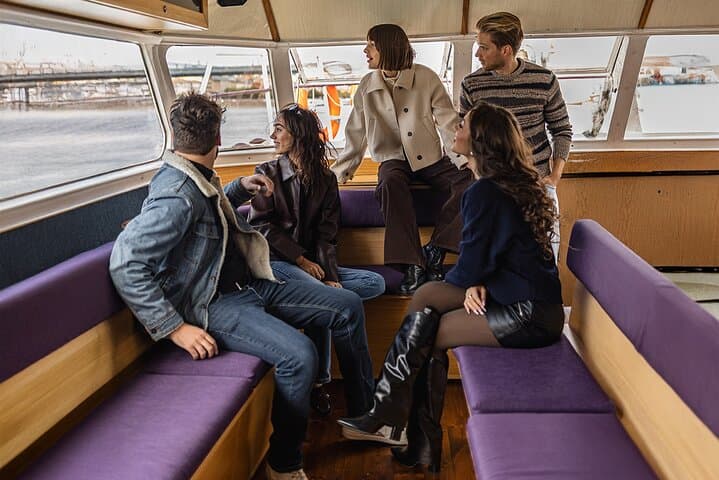
Practically, expect a covered observation area and a downloadable audio guide you listen to on your own device. Boarding is straightforward from central quays near the Parliament; the cruise is accessible to most fitness levels and runs roughly 60 minutes. Bring charged devices and earphones, plan for photo-friendly light around golden hour, and allow time to walk a riverside promenade after disembarkation. The cruise is best as a relaxed introduction to Budapest’s landmarks and an efficient way to see the city from a waterline perspective.
easy.
1 hour.
Suitable for most fitness levels; minimal mobility required to board and move about deck areas
Departures are from central river quays near the Hungarian Parliament on the Pest side; check your booking confirmation for the exact pier.
The commentary is a downloadable mobile app; download it before boarding and use your own earphones—no onboard speakers are provided.
The vessel has covered seating and typically provides accessible boarding at main quays, but contact the operator ahead of time to confirm specific accessibility arrangements.
Outside food and drinks are generally not permitted; the cruise offers onboard catering for purchase.
The Danube corridor has linked settlements since Roman times; 19th-century bridge projects physically and symbolically united Buda and Pest into modern Budapest.
The Danube faces urban pressures—avoid littering, use provided waste bins, and support operators who follow local river-protection guidelines.
Silverline Cruises Kft. operates guided outdoor trips and adventures with an emphasis on safety, stewardship, and memorable experiences.


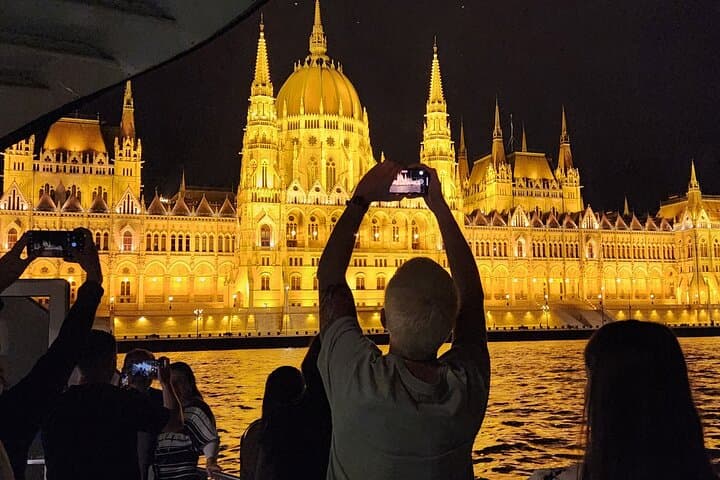
The boat slips away from the quay and the city opens like pages of a map: the Parliament’s neo-Gothic towers lean toward the water, castle walls perch above, and bridges stitch Buda to Pest. The Danube here has a rhythm—steady, cold, and insistent—pushing the vessel past some of Budapest’s most photographed facades in a tidy, hour-long loop.
The boat slips away from the quay and the city opens like pages of a map: the Parliament’s neo-Gothic towers lean toward the water, castle walls perch above, and bridges stitch Buda to Pest. The Danube here has a rhythm—steady, cold, and insistent—pushing the vessel past some of Budapest’s most photographed facades in a tidy, hour-long loop.
This cruise follows the river corridor that shaped the city’s history: Roman and medieval settlements on the Buda hills, 19th-century bridge-building that unified the twin towns, and the grand public architecture of the Austro-Hungarian era. Geologically the Danube valley cuts through Pleistocene terraces, placing cliffs like Gellért Hill in sharp relief against low-lying Pest.
Culturally, the route showcases civic life: thermal baths near the river, market squares, and modern cultural hubs like the Balna complex. It’s compact storytelling—an orientation for first-time visitors and a second look for repeat travelers.
Practically, expect a covered observation area and a downloadable audio guide you listen to on your own device. Boarding is straightforward from central quays near the Parliament; the cruise is accessible to most fitness levels and runs roughly 60 minutes. Bring charged devices and earphones, plan for photo-friendly light around golden hour, and allow time to walk a riverside promenade after disembarkation. The cruise is best as a relaxed introduction to Budapest’s landmarks and an efficient way to see the city from a waterline perspective.