THE ADVENTURE COLLECTIVE® · Independent discovery and booking for outdoor travel

Walk the streets around Keleti train station with an award‑winning photographer who teaches practical street and architectural techniques. Small groups, hands‑on feedback, and three hours of urban discovery make this a focused photography workout in Budapest’s 8th District.
Walk the streets around Keleti train station with an award‑winning photographer who teaches practical street and architectural techniques. Small groups, hands‑on feedback, and three hours of urban discovery make this a focused photography workout in Budapest’s 8th District.
You step out of Keleti’s concourse into a corridor of steam and footsteps; the city hums and the 8th District opens like a film set. Cobbled alleys give way to wide avenues where municipal statues and layered façades pose for the lens, and a guide with a camera points out lines, light, and the kind of shadow that makes a street portrait sing.
Verified experiences and guided adventures in the surrounding area.
Operated by Warren Richardson · Budapest, Budapest
You step out of Keleti’s concourse into a corridor of steam and footsteps; the city hums and the 8th District opens like a film set. Cobbled alleys give way to wide avenues where municipal statues and layered façades pose for the lens, and a guide with a camera points out lines, light, and the kind of shadow that makes a street portrait sing.
Józsefváros grew fast in the 19th century as Budapest industrialized, and the architecture still shows phases of empire, war‑era rebuilding, and recent regeneration. The tour visits a major rail hub, public squares with prominent statues, and side streets where street art and renovated tenement blocks sit side by side—visual contrasts that reward both observational and assignment-style shooting.
Expect practical instruction as you walk: composition, exposure strategies for mixed light, handheld low-light technique, and quick street portrait tips. The guide adapts to cameras and phones and encourages working with available urban light rather than waiting for perfect conditions. Small group size keeps the pace steady and allows for on-the-spot critique.
Plan for three hours on foot over mostly flat, paved surfaces; comfortable shoes and spare batteries matter more than top-end glass. Use public transport to Keleti (frequent metro and tram links), carry a small bag for gear, and allow time to review images at the final stop—an old building where the group reflects on technique and shots.
This is a low‑impact urban experience: keep respectful of residents, ask before photographing people up close, and support local cafés when you pause to edit and recharge.
easy.
3 hours.
Light walking fitness—able to stand and move for several short bursts over flat urban terrain.
The meeting point is at the gateway area near Keleti (Keleti pályaudvar) station—confirm the exact entrance in your booking confirmation.
Groups are small, typically capped at six participants to allow individual feedback and maintain a steady walking pace.
The route is on mostly flat, paved streets and the operator lists the tour as wheelchair accessible—contact the provider ahead for specifics and assistance needs.
Full refund available if you cancel at least 24 hours before departure; no refund for cancellations within 24 hours per the booking terms.
Józsefváros expanded rapidly in the 19th century as Budapest industrialized; its streets reflect imperial-era housing, later social changes, and recent rehabilitation.
Keep impact low by asking permission before close portraits, avoiding litter, and supporting nearby cafés and local businesses where you pause.
Warren Richardson operates guided outdoor trips and adventures with an emphasis on safety, stewardship, and memorable experiences.
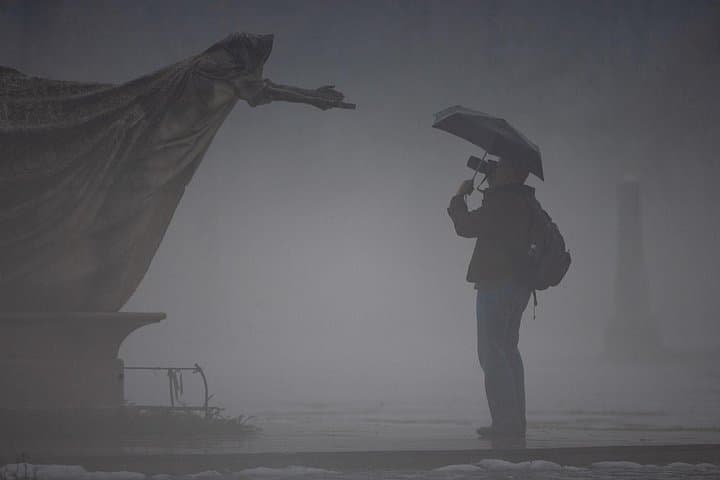
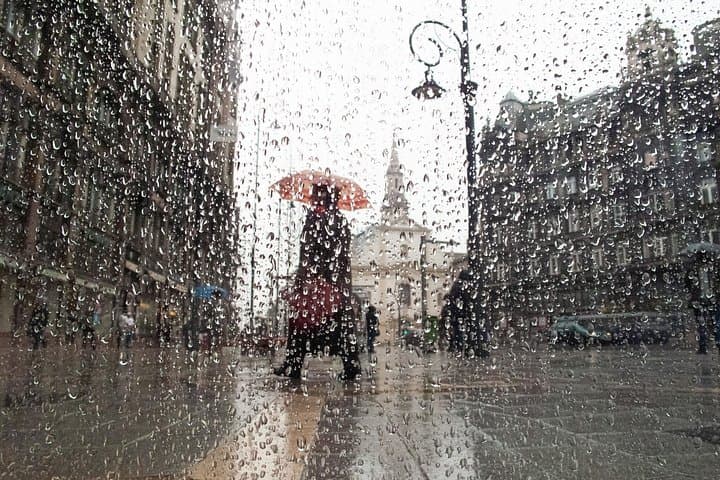
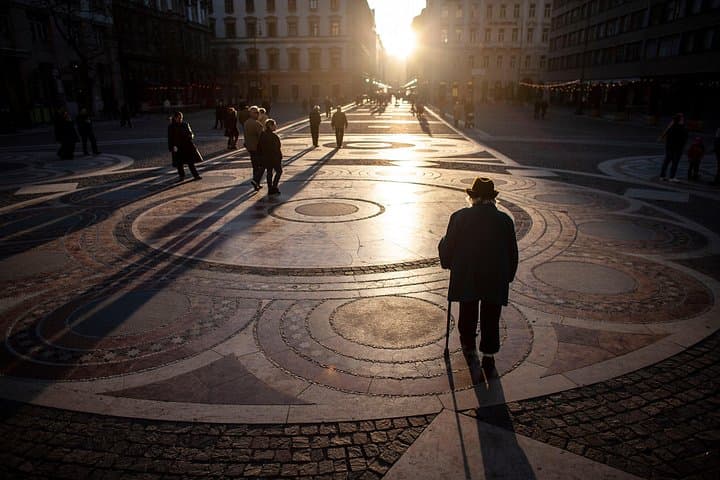
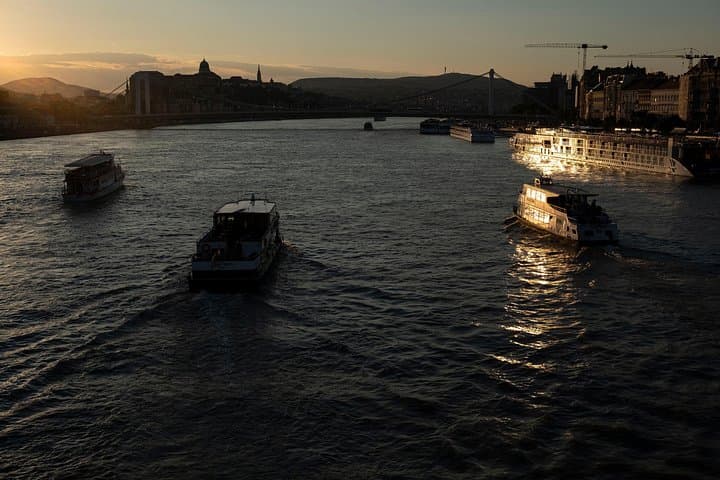
You step out of Keleti’s concourse into a corridor of steam and footsteps; the city hums and the 8th District opens like a film set. Cobbled alleys give way to wide avenues where municipal statues and layered façades pose for the lens, and a guide with a camera points out lines, light, and the kind of shadow that makes a street portrait sing.
You step out of Keleti’s concourse into a corridor of steam and footsteps; the city hums and the 8th District opens like a film set. Cobbled alleys give way to wide avenues where municipal statues and layered façades pose for the lens, and a guide with a camera points out lines, light, and the kind of shadow that makes a street portrait sing.
Józsefváros grew fast in the 19th century as Budapest industrialized, and the architecture still shows phases of empire, war‑era rebuilding, and recent regeneration. The tour visits a major rail hub, public squares with prominent statues, and side streets where street art and renovated tenement blocks sit side by side—visual contrasts that reward both observational and assignment-style shooting.
Expect practical instruction as you walk: composition, exposure strategies for mixed light, handheld low-light technique, and quick street portrait tips. The guide adapts to cameras and phones and encourages working with available urban light rather than waiting for perfect conditions. Small group size keeps the pace steady and allows for on-the-spot critique.
Plan for three hours on foot over mostly flat, paved surfaces; comfortable shoes and spare batteries matter more than top-end glass. Use public transport to Keleti (frequent metro and tram links), carry a small bag for gear, and allow time to review images at the final stop—an old building where the group reflects on technique and shots.
This is a low‑impact urban experience: keep respectful of residents, ask before photographing people up close, and support local cafés when you pause to edit and recharge.