THE ADVENTURE COLLECTIVE® · Independent discovery and booking for outdoor travel

Walk the green ridges above Budapest on a guided 4-hour loop from a central metro meeting point. Expect shaded singletrack, limestone viewpoints and practical trail‑reading skills from a local guide.
Walk the green ridges above Budapest on a guided 4-hour loop from a central metro meeting point. Expect shaded singletrack, limestone viewpoints and practical trail‑reading skills from a local guide.
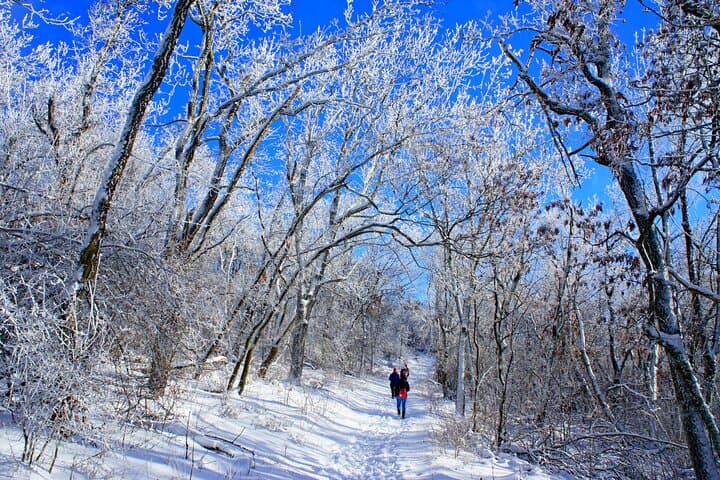
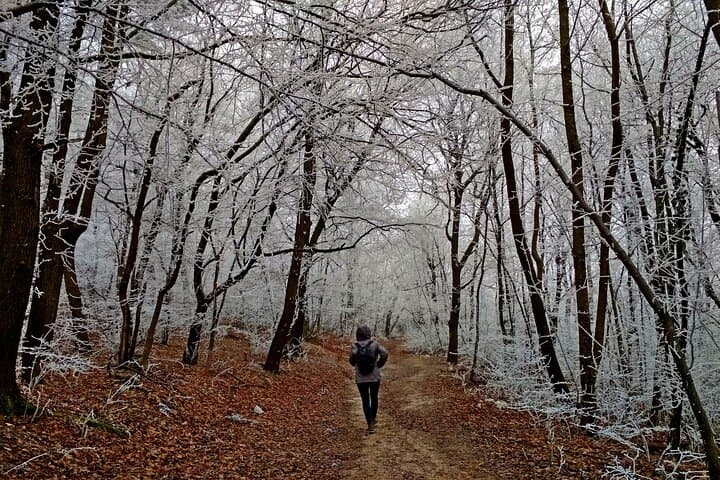
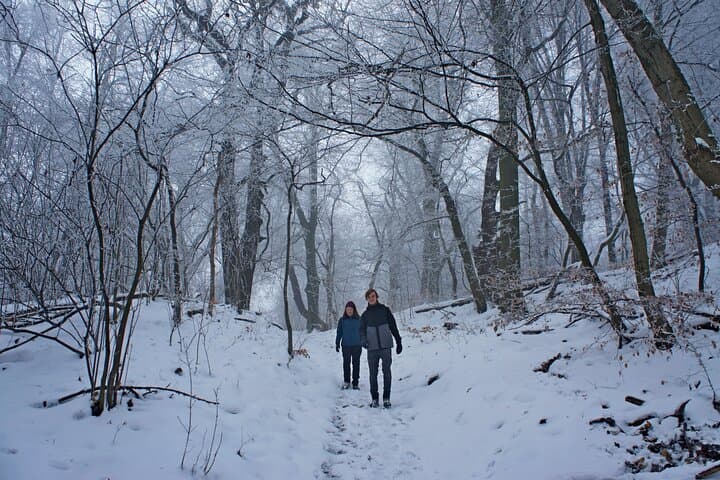
A cool wind from the Buda Hills meets you as you step away from the metro statue and into shade — city noise shrinking behind you, the Danube glinting between rooftops. The guide threads a narrow forest path and points to a jagged outcrop where sunlight breaks through beeches; the walk becomes a slow ascent of views and small surprises.
Verified experiences and guided adventures in the surrounding area.
Operated by Trails of Budapest Hiking Tours · Budapest, Budapest
A cool wind from the Buda Hills meets you as you step away from the metro statue and into shade — city noise shrinking behind you, the Danube glinting between rooftops. The guide threads a narrow forest path and points to a jagged outcrop where sunlight breaks through beeches; the walk becomes a slow ascent of views and small surprises.
These hills are an old neighborhood of stone: layers of Miocene limestone folded and cracked, riddled with caves that shaped local folklore and wartime shelters. For centuries shepherds, soldiers and city dwellers have used these slopes to escape heat and conquest; today trails carry runners, families and travelers seeking a green counterpoint to Budapest’s baroque boulevards.
Expect mixed singletrack and packed dirt, occasional stone steps and short scrambles around watchpoints. The route favors viewpoints over long climbs — panoramas of Castle Hill, Gellért, and on clear days the spire of Parliament needle-sharp on the horizon. The leader shares trail-marking tips so you can read blazes, plus local stories about life in Hungary you won’t find in guidebooks.
Practically speaking, the group covers roughly 7–9 km with 200–400 m cumulative elevation gain over about four hours. Wear grippy shoes, carry 1–1.5 liters of water, and bring layered clothing for variable shade and sun. Public transport is the easiest way to arrive and the hike finishes near the original meeting point, making logistics simple for a half-day escape.
This is low-impact, accessible hiking that rewards curiosity and a basic level of fitness — a compact wilderness hour within the city’s reach.
easy.
4 hours.
Suitable for those with light to moderate fitness; comfortable walking for several hours with short uphill stretches.
Meet in front of the metro station building by the statue; for the full‑day variant you would meet at Batthyány tér under the flags.
The guide rates it as easy — expect about 7–9 km and 200–400 m of cumulative ascent over roughly four hours with short steep sections.
Yes — the tour starts and finishes beside a metro stop and local trams, making arrival and departure convenient without a car.
Service animals are allowed; if bringing a pet, check with the operator first since group tours may have restrictions.
The Buda Hills’ limestone and caves have been used since prehistoric times and later provided strategic refuge during Ottoman and 20th‑century conflicts.
Stick to signed trails to protect fragile karst flora and soil; use public transport to reduce local traffic and emissions.
Trails of Budapest Hiking Tours operates guided outdoor trips and adventures with an emphasis on safety, stewardship, and memorable experiences.
A cool wind from the Buda Hills meets you as you step away from the metro statue and into shade — city noise shrinking behind you, the Danube glinting between rooftops. The guide threads a narrow forest path and points to a jagged outcrop where sunlight breaks through beeches; the walk becomes a slow ascent of views and small surprises.
A cool wind from the Buda Hills meets you as you step away from the metro statue and into shade — city noise shrinking behind you, the Danube glinting between rooftops. The guide threads a narrow forest path and points to a jagged outcrop where sunlight breaks through beeches; the walk becomes a slow ascent of views and small surprises.
These hills are an old neighborhood of stone: layers of Miocene limestone folded and cracked, riddled with caves that shaped local folklore and wartime shelters. For centuries shepherds, soldiers and city dwellers have used these slopes to escape heat and conquest; today trails carry runners, families and travelers seeking a green counterpoint to Budapest’s baroque boulevards.
Expect mixed singletrack and packed dirt, occasional stone steps and short scrambles around watchpoints. The route favors viewpoints over long climbs — panoramas of Castle Hill, Gellért, and on clear days the spire of Parliament needle-sharp on the horizon. The leader shares trail-marking tips so you can read blazes, plus local stories about life in Hungary you won’t find in guidebooks.
Practically speaking, the group covers roughly 7–9 km with 200–400 m cumulative elevation gain over about four hours. Wear grippy shoes, carry 1–1.5 liters of water, and bring layered clothing for variable shade and sun. Public transport is the easiest way to arrive and the hike finishes near the original meeting point, making logistics simple for a half-day escape.
This is low-impact, accessible hiking that rewards curiosity and a basic level of fitness — a compact wilderness hour within the city’s reach.