THE ADVENTURE COLLECTIVE® · Independent discovery and booking for outdoor travel

A full-day guided drop-into of Buckskin Gulch offers an intimate, physically demanding slot-canyon experience far from the crowds. Prepare for class 3 scrambles, mud, potential wading and strict weather-dependent safety.
A full-day guided drop-into of Buckskin Gulch offers an intimate, physically demanding slot-canyon experience far from the crowds. Prepare for class 3 scrambles, mud, potential wading and strict weather-dependent safety.
You step from the heat of the desert onto a band of shadow—walls close in, sandstone ripples tower, and the world narrows to a corridor of ochre and gold. Buckskin Gulch doesn’t announce itself with vistas; it insists you look up, forward, and down into its carved skin. Light filters like a slow breath; every turn reveals an arm of rock, a tight squeeze, or a sudden pool.
Verified experiences and guided adventures in the surrounding area.
Operated by Backcountry Found · Kanab, Utah
You step from the heat of the desert onto a band of shadow—walls close in, sandstone ripples tower, and the world narrows to a corridor of ochre and gold. Buckskin Gulch doesn’t announce itself with vistas; it insists you look up, forward, and down into its carved skin. Light filters like a slow breath; every turn reveals an arm of rock, a tight squeeze, or a sudden pool.
Geology here is vivid and tactile: the canyon slices through Jurassic Navajo Sandstone, eroded over millions of years by wind and seasonal runoff. The Paria River and its tributaries once chiseled the depths, producing narrows that shift from ankle-deep mud to waist-deep pools after rains. This land sits within the traditional territory of Southern Paiute and Navajo peoples; petroglyphs and faint campsite terraces speak to long-standing human presence on the plateau.
Practically, expect a demanding 6–10 mile day with roughly 500 feet of vertical change between rim and channel and sustained Class 3 scrambling at the entry. Guides typically bypass the long approach by lowering into the mid-canyon, but you still need steady footing, endurance, and comfort with exposure. Flash floods dominate safety planning—storms miles away can turn the slot deadly—so guides check forecasts and cancel when risk is high. Wear stiff-soled boots that grip wet rock, carry 2–3 liters of water, and be ready for mud, short wades, and narrow squeezes. Move deliberately, keep a compact pack, and leave no trace: the canyon’s quiet is fragile and easily lost.
challenging.
7–10 hours.
Strong cardiovascular fitness and leg strength; comfortable with sustained exertion, scrambling, and exposure.
Day trips in guided contexts generally do not require individual permits, but backcountry regulations vary—check with local BLM offices or your outfitter for current rules.
The route includes Class 3 scrambling where you use hands for balance on steep rock but not technical rock climbing; exposure is present at the entry scramble.
Guides cancel or reroute trips when flash-flood risk is elevated; storms upstream can quickly fill the slot, making it unsafe to enter.
Not recommended for beginners or those with a strong fear of heights—hikers should have high fitness and previous scrambling experience.
The canyon runs through Navajo Sandstone shaped over millions of years; the region has cultural ties to Southern Paiute and Navajo peoples who used the landscape seasonally.
Buckskin Gulch’s narrow riparian corridor is ecologically sensitive—practice leave-no-trace, avoid trampling limited vegetation, and pack out all waste to protect the fragile desert environment.
Backcountry Found operates guided outdoor trips and adventures with an emphasis on safety, stewardship, and memorable experiences.
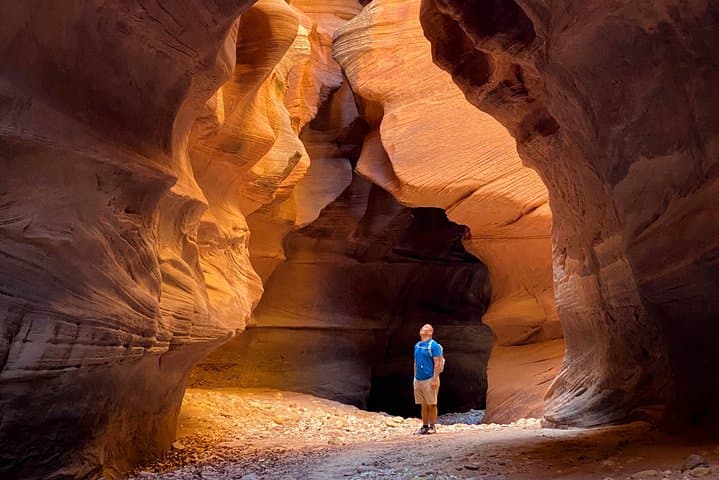
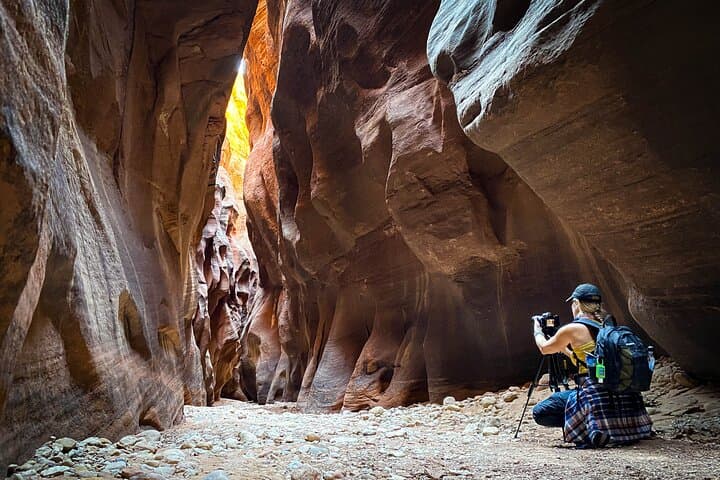
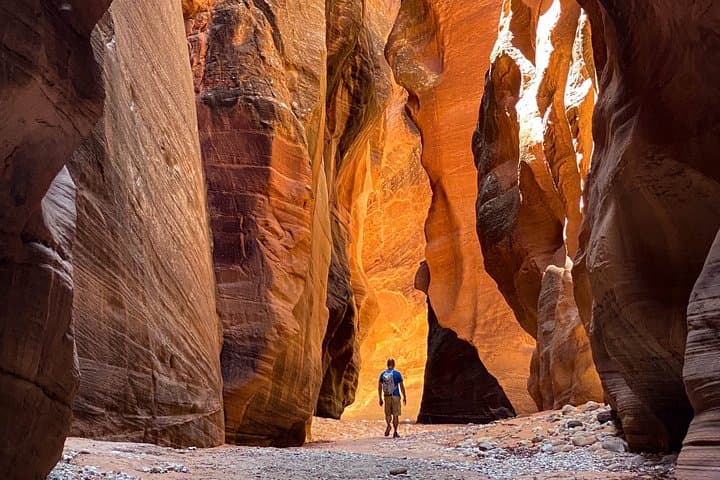
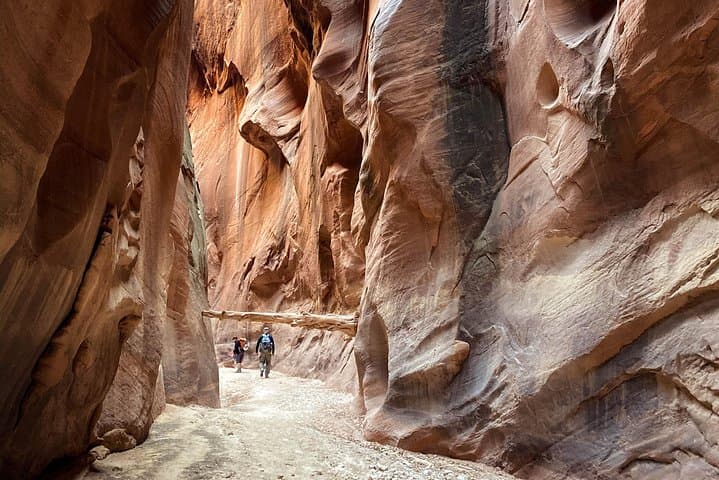
You step from the heat of the desert onto a band of shadow—walls close in, sandstone ripples tower, and the world narrows to a corridor of ochre and gold. Buckskin Gulch doesn’t announce itself with vistas; it insists you look up, forward, and down into its carved skin. Light filters like a slow breath; every turn reveals an arm of rock, a tight squeeze, or a sudden pool.
You step from the heat of the desert onto a band of shadow—walls close in, sandstone ripples tower, and the world narrows to a corridor of ochre and gold. Buckskin Gulch doesn’t announce itself with vistas; it insists you look up, forward, and down into its carved skin. Light filters like a slow breath; every turn reveals an arm of rock, a tight squeeze, or a sudden pool.
Geology here is vivid and tactile: the canyon slices through Jurassic Navajo Sandstone, eroded over millions of years by wind and seasonal runoff. The Paria River and its tributaries once chiseled the depths, producing narrows that shift from ankle-deep mud to waist-deep pools after rains. This land sits within the traditional territory of Southern Paiute and Navajo peoples; petroglyphs and faint campsite terraces speak to long-standing human presence on the plateau.
Practically, expect a demanding 6–10 mile day with roughly 500 feet of vertical change between rim and channel and sustained Class 3 scrambling at the entry. Guides typically bypass the long approach by lowering into the mid-canyon, but you still need steady footing, endurance, and comfort with exposure. Flash floods dominate safety planning—storms miles away can turn the slot deadly—so guides check forecasts and cancel when risk is high. Wear stiff-soled boots that grip wet rock, carry 2–3 liters of water, and be ready for mud, short wades, and narrow squeezes. Move deliberately, keep a compact pack, and leave no trace: the canyon’s quiet is fragile and easily lost.