THE ADVENTURE COLLECTIVE® · Independent discovery and booking for outdoor travel

Explore Bucharest’s forgotten industrial landscapes on a six-hour private urbex tour that visits factories, research institutes, abandoned aircraft and 19th-century forts. Expect uneven surfaces, dark interiors, and a hands-on history lesson on the city’s industrial and communist-era past.
Explore Bucharest’s forgotten industrial landscapes on a six-hour private urbex tour that visits factories, research institutes, abandoned aircraft and 19th-century forts. Expect uneven surfaces, dark interiors, and a hands-on history lesson on the city’s industrial and communist-era past.
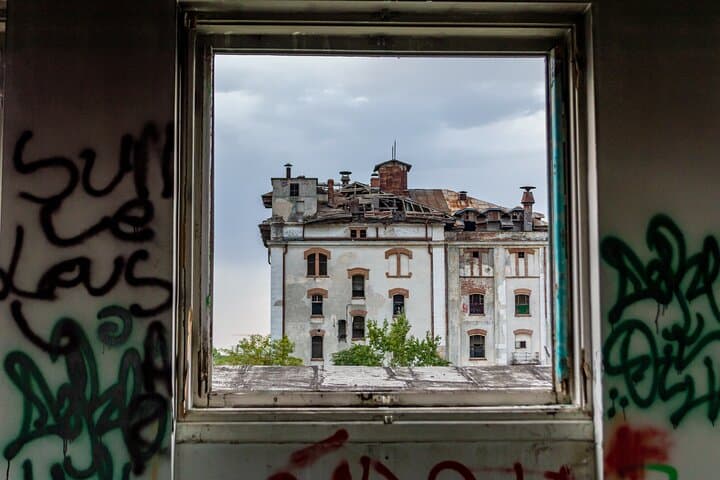
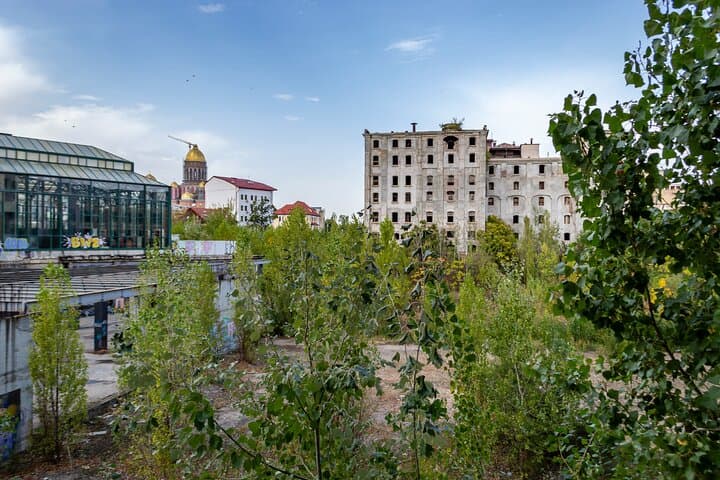
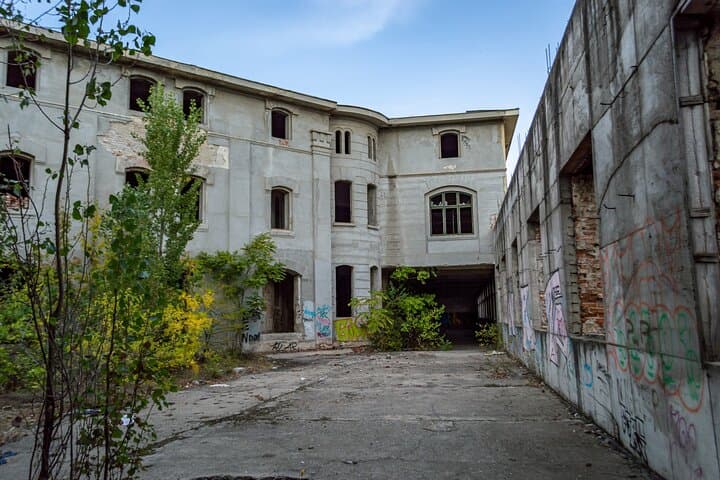
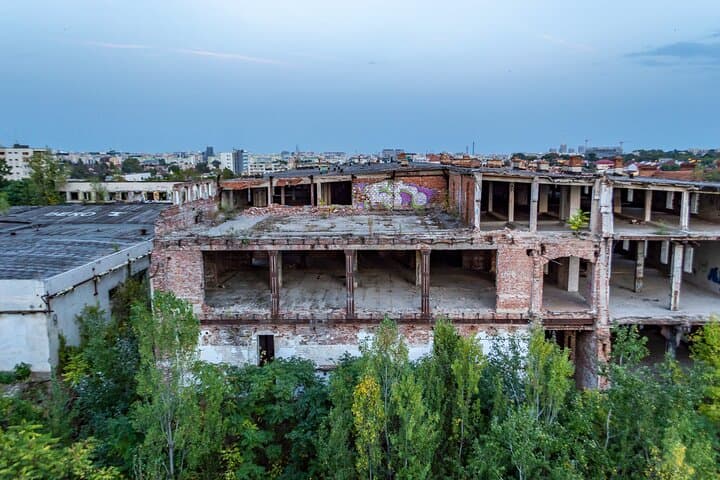
The tour begins in the city’s gritty margins, where cracked concrete and rusted gates open onto interiors frozen in different eras.
Verified experiences and guided adventures in the surrounding area.
Operated by Bucharest Urbex Tour · Bucharest, Bucharest
The tour begins in the city’s gritty margins, where cracked concrete and rusted gates open onto interiors frozen in different eras.
Participants move through a sequence of sites — a crumbling research institute, century-old beer factory basements, leftover communist-era industry halls and derelict aircraft — each place revealing a different chapter of Bucharest’s 19th–20th century urban story. Architecture alternates between ornate pre-war detailing and blocky, utilitarian post-war construction, giving a clear visual timeline of the city’s industrial ambitions and political shifts.
Geology here is subtle: alluvial terraces of the Dâmbovița plain gave engineers a flat canvas for factories and forts; over time those sites have become layered with rubble, vegetation, and peeling paint that tell their own history. Cultural context matters — many of these sites were active during Romania’s industrial push and the communist period, and they retain artifacts and signage that hint at past daily life.
Practical guidance: this is a 6-hour private tour that moves across uneven floors, tight stairwells and sometimes dark basements. Wear sturdy footwear with good ankle support, bring a headlamp, and plan for about 3–6 miles of on-foot exploration with frequent stops. Expect limited facilities and variable mobile reception; guides usually provide bottled water and a short break for coffee. Respect site safety rules, follow your guide’s route, and be prepared to exit quickly if conditions look unstable.
This is urban exploration with a practical edge — a close, tactile look at Bucharest’s industrial memory for travelers prepared for tight spaces and practical logistics.
challenging.
6 hours.
Moderate overall fitness—comfortable standing, climbing stairs and walking several miles across uneven surfaces.
Sites are visited externally and internally where safe; the tour price covers guided access but not formal admissions because many locations are unmanaged and entered at the guide’s discretion for safety.
Not recommended for young children due to unstable surfaces, tight spaces and potential hazards; check with the operator for age limits.
Yes—photography is generally allowed, but respect any site-specific restrictions and avoid removing artifacts or entering unsafe zones.
Guides assess structural conditions continuously, set clear routes, supply bottled water and expect participants to follow instructions; travelers with spinal, heart conditions or pregnancy are advised not to join.
Many stops date to Romania’s rapid industrialization and the communist era’s centralized production; abandoned sites reflect shifts from private industry to state-run complexes and subsequent post-1989 decline.
Urbex impacts are real — operators emphasize Leave No Trace, no removal of artifacts, and minimal disturbance; preserve fragile interiors and avoid creating new access points.
Bucharest Urbex Tour operates guided outdoor trips and adventures with an emphasis on safety, stewardship, and memorable experiences.
The tour begins in the city’s gritty margins, where cracked concrete and rusted gates open onto interiors frozen in different eras.
The tour begins in the city’s gritty margins, where cracked concrete and rusted gates open onto interiors frozen in different eras.
Participants move through a sequence of sites — a crumbling research institute, century-old beer factory basements, leftover communist-era industry halls and derelict aircraft — each place revealing a different chapter of Bucharest’s 19th–20th century urban story. Architecture alternates between ornate pre-war detailing and blocky, utilitarian post-war construction, giving a clear visual timeline of the city’s industrial ambitions and political shifts.
Geology here is subtle: alluvial terraces of the Dâmbovița plain gave engineers a flat canvas for factories and forts; over time those sites have become layered with rubble, vegetation, and peeling paint that tell their own history. Cultural context matters — many of these sites were active during Romania’s industrial push and the communist period, and they retain artifacts and signage that hint at past daily life.
Practical guidance: this is a 6-hour private tour that moves across uneven floors, tight stairwells and sometimes dark basements. Wear sturdy footwear with good ankle support, bring a headlamp, and plan for about 3–6 miles of on-foot exploration with frequent stops. Expect limited facilities and variable mobile reception; guides usually provide bottled water and a short break for coffee. Respect site safety rules, follow your guide’s route, and be prepared to exit quickly if conditions look unstable.
This is urban exploration with a practical edge — a close, tactile look at Bucharest’s industrial memory for travelers prepared for tight spaces and practical logistics.