THE ADVENTURE COLLECTIVE® · Independent discovery and booking for outdoor travel

A compact, private two‑day road trip from Bucharest that pairs royal history at Peleș Castle with Brașov’s medieval core and Sibiu’s Saxon architecture. Expect castle interiors, mountain panoramas and practical travel tips for variable weather and cobbled streets.
A compact, private two‑day road trip from Bucharest that pairs royal history at Peleș Castle with Brașov’s medieval core and Sibiu’s Saxon architecture. Expect castle interiors, mountain panoramas and practical travel tips for variable weather and cobbled streets.
Book with Bucharest Mobility
Book directly with Bucharest Mobility for the best rates and real-time scheduling.
Reserve NowVerified experiences and guided adventures in the surrounding area.
Operated by Bucharest Mobility · Sinaia, Prahova County
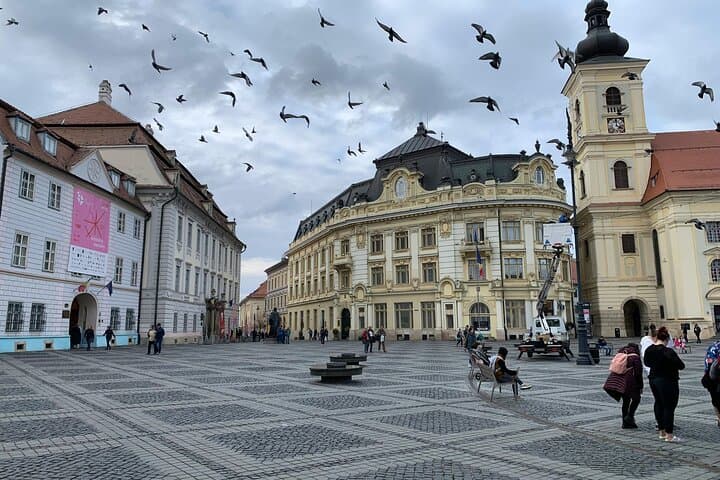
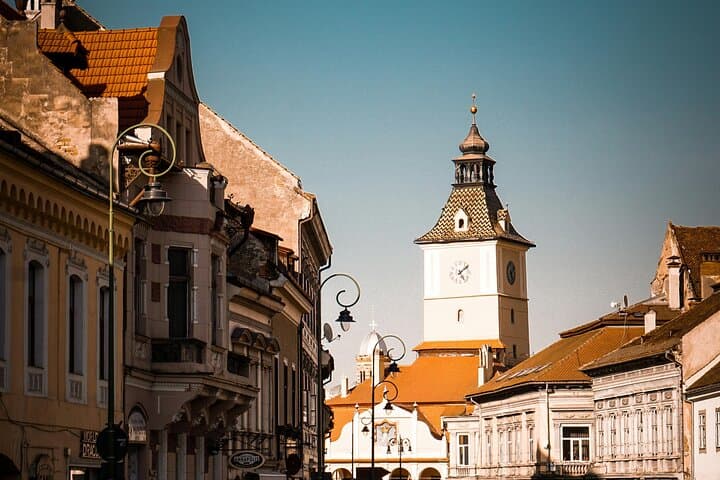
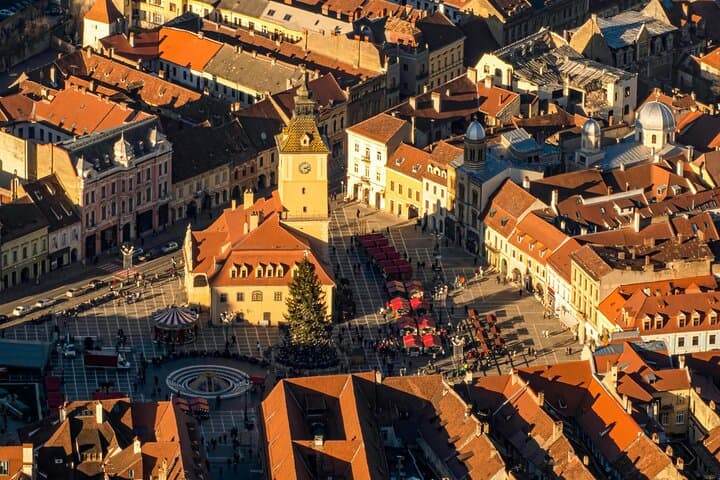
Morning light slides over the Carpathian ridgeline as the van leaves Bucharest and the city’s hum gives way to mountain air. You arrive first at Peleș Castle, a Neo‑Renaissance palace built for King Carol I between 1873 and 1914—its ornate turrets and carved wood interiors offer a direct line to Romania’s royal past. From there the road drops toward Brașov, a medieval town ringed by forested slopes. Cobbled Piaţa Sfatului and the Black Church anchor the old town; narrow Strada Sforii narrows to the width of an arm and feels like a deliberate pause in time. History here is layered: Saxon settlers shaped Sibiu’s Germanic facades, the Făgăraș and Bucegi ranges steered trade routes, and royal ambition sculpted Peleș into a showcase of 19th‑century craft. Geology is visible in folded limestone ridges, scree‑studded passes and the engineered line of the Transfăgărășan—Romania’s dramatic mountain road that threads high alpine basins. Expect a steady rhythm of short walks and long drives, with meals at family‑run restaurants serving ciorbă and sarmale. Practical edge: bring layered clothing for variable mountain weather, wear sturdy shoes for cobbles and castle steps, and budget time for traffic when returning to Bucharest. Timing a visit for weekday mornings reduces crowds at Peleș; in summer the Transfăgărășan gleams, while late fall cools the squares and sharpens the views. This private, two‑day itinerary balances curated history with independent exploration—perfect for travelers who want context without being rushed.
easy.
2 days.
Suitable for people with basic mobility—short strolls and staircases, no sustained hiking required
This is a two‑day tour with several hours of driving each day between Bucharest, Sinaia/Peleș, Brașov and Sibiu; expect full travel days with periodic short walks.
Check booking details—this itinerary notes visits to Peleș but may require separate admission or timed‑ticket purchases depending on operator policy.
Yes—physical demands are low, but there are stairs and cobbled streets; infant seats and stroller access are generally available, and breaks are scheduled for comfort.
Private tours typically allow flexibility—discuss preferred stops and pacing with the operator when booking to tailor the schedule.
Peleș Castle was built as a royal summer residence during Romania’s consolidation in the late 19th century, while Sibiu’s architecture reflects centuries of Saxon settlement and trade in Transylvania.
These mountain and urban sites benefit from responsible visitation—stay on marked paths, avoid littering, and support local businesses to help preserve cultural and natural heritage.
Bucharest Mobility operates guided outdoor trips and adventures with an emphasis on safety, stewardship, and memorable experiences.
Book with Bucharest Mobility
Book directly with Bucharest Mobility for the best rates and real-time scheduling.
Reserve Now