THE ADVENTURE COLLECTIVE® · Independent discovery and booking for outdoor travel

Spend a long day moving between Romania’s rural past and its recent political drama — from wooden churches at the Village Museum to the island monastery tied to Vlad the Impaler. This private, guided route pairs close-up history with efficient transfers.
Spend a long day moving between Romania’s rural past and its recent political drama — from wooden churches at the Village Museum to the island monastery tied to Vlad the Impaler. This private, guided route pairs close-up history with efficient transfers.
You step onto Calea Victoriei as the city wakes: tram bells, a river that cuts through the center like a slow-minded courier, and the facades of royal and communist architecture facing one another like old rivals.
Verified experiences and guided adventures in the surrounding area.
Operated by Romania Driver and Guide · Bucharest, Bucharest
You step onto Calea Victoriei as the city wakes: tram bells, a river that cuts through the center like a slow-minded courier, and the facades of royal and communist architecture facing one another like old rivals.
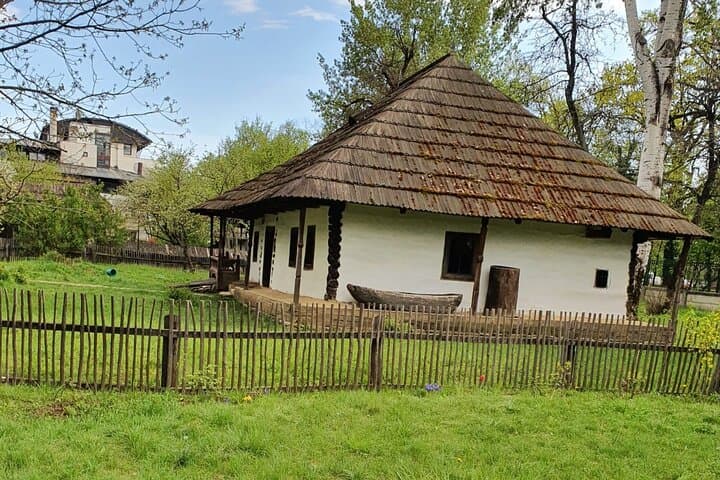
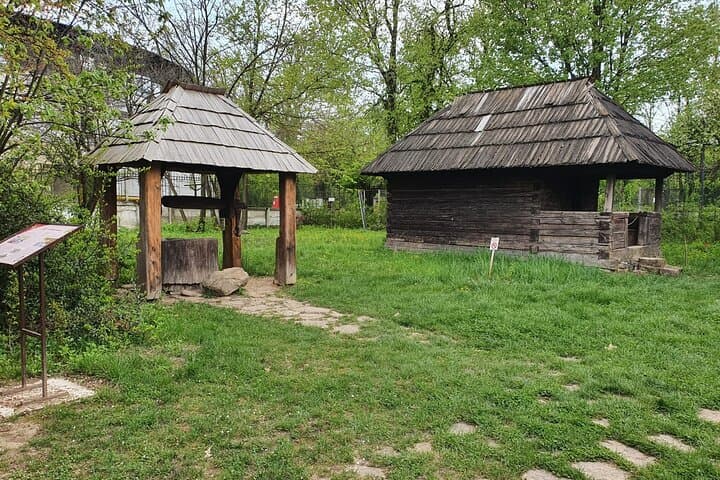
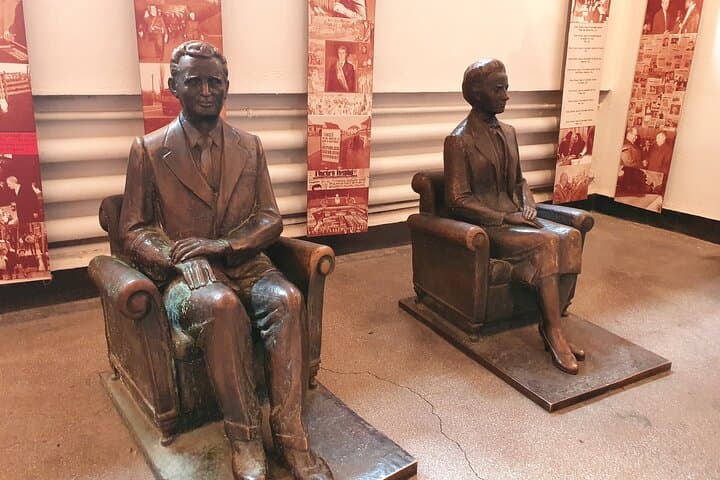
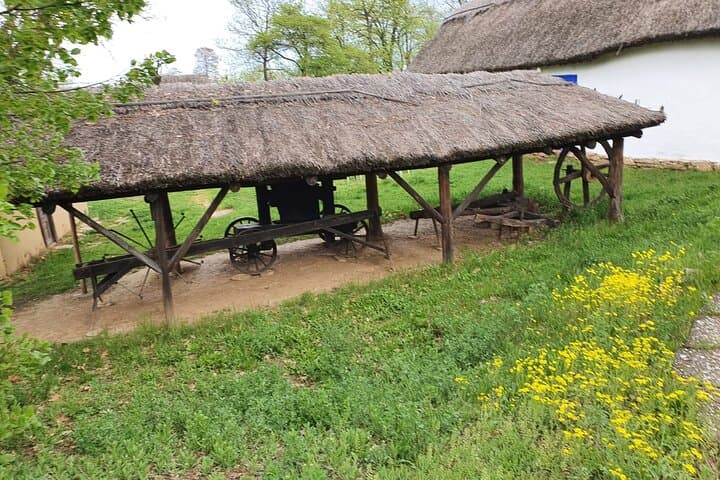
This seven- to eight-hour private tour moves from the open-air National Village Museum — where timber roofs and wooden churches explain rural Romanian life — out to Snagov Island, forty minutes north, where the small monastery claims the tomb associated with Vlad Țepeș (the historical figure tied to the Dracula legend). Back in the capital, the tour inspects the Ceaușescu family’s Spring Palace and pauses at Revolution Square and the Senate Palace, sites that map the fall of communism in 1989.
Geology is subtle here: the plain around Bucharest is low and alluvial, so travel between sites is short and flat; the island monastery sits on a lake born of river meanders and human management. Cultural contrasts are the point — peasant craft and ecological practices preserved in the Village Museum stand against the monumental scale of mid-20th-century power.
Practical notes: expect several short on-foot segments and museum grounds that are uneven underfoot. Bring a daypack with water, a charged phone and ID; the private car handles transfers and parking, but some sites have limited facilities and variable entrance fees. Morning departures avoid afternoon traffic, and winter visits require sturdy layers. Guides typically narrate history and logistics; comfortable shoes and a curious attitude are the best preparation for this compact, revealing slice of Romania.
easy.
7–8 hours.
Suitable for most fitness levels; participants should be comfortable standing and walking intermittently across paved and natural surfaces for several hours.
Admission is typically not included; the guide will advise on ticket purchase options and timing during the visit.
The tomb is at Snagov Monastery on an island north of Bucharest; it’s associated with Vlad Țepeș by tradition, though the historical evidence is debated.
Yes — this private tour advertises flexibility and the guide/driver can adapt the schedule to your group’s interests within the allocated time.
Some stops have basic facilities and small kiosks; carry water and expect limited services at the monastery and some outdoor exhibits.
The stops trace layers of Romanian identity: vernacular village life preserved at the open-air museum contrasts with the Ceaușescu-era palace that symbolizes centralized power and the dramatic 1989 revolution that reshaped the nation.
The Village Museum highlights traditional, low-impact building techniques; visitors are encouraged to respect structures, stay on paths, and avoid touching fragile artifacts to preserve them.
Romania Driver and Guide operates guided outdoor trips and adventures with an emphasis on safety, stewardship, and memorable experiences.
You step onto Calea Victoriei as the city wakes: tram bells, a river that cuts through the center like a slow-minded courier, and the facades of royal and communist architecture facing one another like old rivals.
You step onto Calea Victoriei as the city wakes: tram bells, a river that cuts through the center like a slow-minded courier, and the facades of royal and communist architecture facing one another like old rivals.
This seven- to eight-hour private tour moves from the open-air National Village Museum — where timber roofs and wooden churches explain rural Romanian life — out to Snagov Island, forty minutes north, where the small monastery claims the tomb associated with Vlad Țepeș (the historical figure tied to the Dracula legend). Back in the capital, the tour inspects the Ceaușescu family’s Spring Palace and pauses at Revolution Square and the Senate Palace, sites that map the fall of communism in 1989.
Geology is subtle here: the plain around Bucharest is low and alluvial, so travel between sites is short and flat; the island monastery sits on a lake born of river meanders and human management. Cultural contrasts are the point — peasant craft and ecological practices preserved in the Village Museum stand against the monumental scale of mid-20th-century power.
Practical notes: expect several short on-foot segments and museum grounds that are uneven underfoot. Bring a daypack with water, a charged phone and ID; the private car handles transfers and parking, but some sites have limited facilities and variable entrance fees. Morning departures avoid afternoon traffic, and winter visits require sturdy layers. Guides typically narrate history and logistics; comfortable shoes and a curious attitude are the best preparation for this compact, revealing slice of Romania.