THE ADVENTURE COLLECTIVE® · Independent discovery and booking for outdoor travel

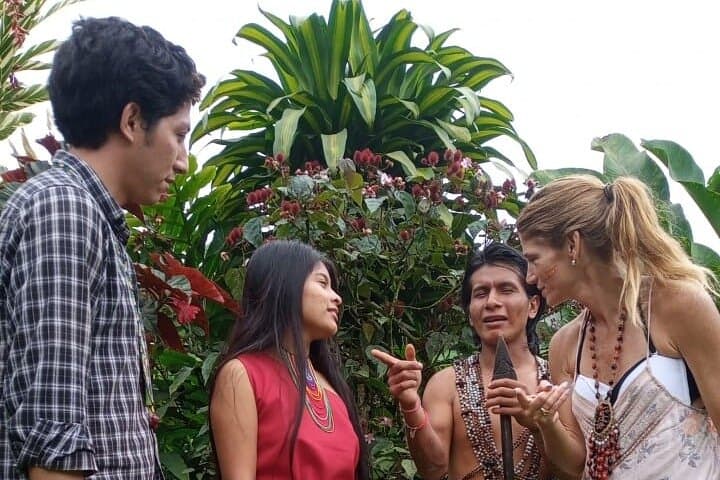
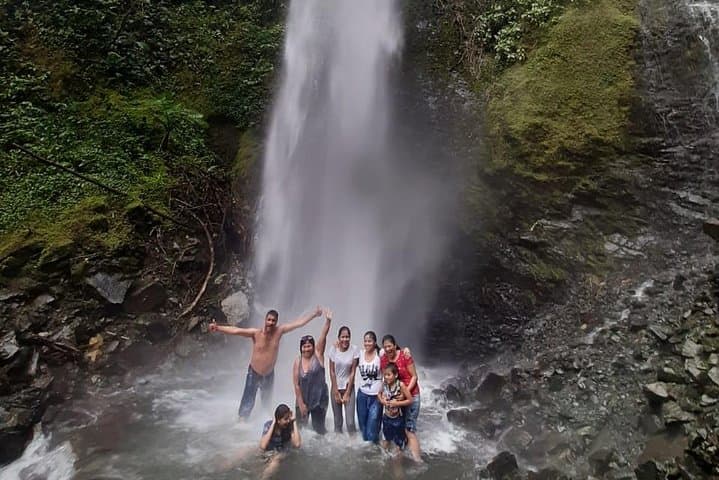
Drive east from Guayaquil into the Bucay cloud forest for short, lively hikes to Gallito de la Peña and La Esperanza waterfalls, a sugarcane tasting and a visit with a local Shuar community. This full-day trip combines easy trails, dramatic water, and cultural stops.
Drive east from Guayaquil into the Bucay cloud forest for short, lively hikes to Gallito de la Peña and La Esperanza waterfalls, a sugarcane tasting and a visit with a local Shuar community. This full-day trip combines easy trails, dramatic water, and cultural stops.
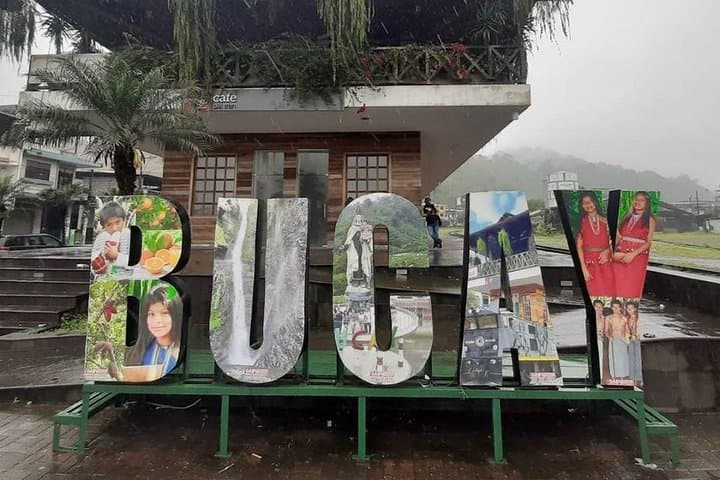
You arrive before dawn in Guayaquil and the road ahead climbs out of the city, coffee-dark pavement giving way to a thinner air that smells of wet earth. After about 1 hour 30 minutes of winding mountain highway, the bus drops you at a small train station and a cloud forest that feels alive—the trees lean in like curious neighbors, and a creek dares you to follow its voice.
Verified experiences and guided adventures in the surrounding area.
Operated by Perfect Destiny · Guayaquil, Guayas
You arrive before dawn in Guayaquil and the road ahead climbs out of the city, coffee-dark pavement giving way to a thinner air that smells of wet earth. After about 1 hour 30 minutes of winding mountain highway, the bus drops you at a small train station and a cloud forest that feels alive—the trees lean in like curious neighbors, and a creek dares you to follow its voice.
This corner of Bucay sits on the coastal foothills where Andean runoff folds into humid lowlands. The waterfalls cut through volcanic and sedimentary layers, carved over millennia into steep chutes and plunge pools. Small local communities, including Shuar families nearby, maintain waterways and cane fields; sugarcane tasting is a cultural pause between trail and town.
The main walk to La Esperanza is short—about 0.8–1.2 km each way—with roughly 50–120 m of elevation change depending on your path. Trails are dirt and root-strewn with occasional rock steps; expect muddy sections after rain. Gallito de la Peña and other cascades offer viewpoints and photo spots, and the old train station is a sentimental reminder of the region’s transport history.
Practical guidance: bring sturdy, grippy shoes, a lightweight rain layer, and water. The guide provides local context and handles transport; the full excursion runs roughly 8 hours from hotel pickup in Guayaquil. Respect private land, avoid swimming in fast currents, and leave no trace—these forests recover slowly when disturbed.
This day trip balances easy hiking with vivid nature and cultural encounters, ideal for travelers who want an accessible slice of Ecuador’s cloud-forest edge without backcountry commitment.
easy.
8 hours.
Suitable for most fitness levels; short hikes with modest elevation gain of ~50–120 m
The primary hike to La Esperanza takes about 15–25 minutes each way—roughly 0.8–1.2 km—depending on pace and trail conditions.
Swimming is sometimes possible in calmer pools, but currents can be strong after rain; follow your guide’s advice and avoid risky areas.
The tour typically includes hotel pickup and drop-off in Guayaquil, transportation, a bilingual guide, and lunch; confirm specifics at booking.
Yes—trails are short and rated easy, but uneven footing may be challenging for limited-mobility visitors; the guide can adjust the pace.
The Bucay corridor grew around rail lines built in the 19th–20th centuries to move goods between the coast and highlands; many stations remain as cultural landmarks.
Cloud forests are sensitive to land conversion and erosion; stick to trails, avoid trampling banks, and support local guides who practice low-impact tourism.
Perfect Destiny operates guided outdoor trips and adventures with an emphasis on safety, stewardship, and memorable experiences.

You arrive before dawn in Guayaquil and the road ahead climbs out of the city, coffee-dark pavement giving way to a thinner air that smells of wet earth. After about 1 hour 30 minutes of winding mountain highway, the bus drops you at a small train station and a cloud forest that feels alive—the trees lean in like curious neighbors, and a creek dares you to follow its voice.
You arrive before dawn in Guayaquil and the road ahead climbs out of the city, coffee-dark pavement giving way to a thinner air that smells of wet earth. After about 1 hour 30 minutes of winding mountain highway, the bus drops you at a small train station and a cloud forest that feels alive—the trees lean in like curious neighbors, and a creek dares you to follow its voice.
This corner of Bucay sits on the coastal foothills where Andean runoff folds into humid lowlands. The waterfalls cut through volcanic and sedimentary layers, carved over millennia into steep chutes and plunge pools. Small local communities, including Shuar families nearby, maintain waterways and cane fields; sugarcane tasting is a cultural pause between trail and town.
The main walk to La Esperanza is short—about 0.8–1.2 km each way—with roughly 50–120 m of elevation change depending on your path. Trails are dirt and root-strewn with occasional rock steps; expect muddy sections after rain. Gallito de la Peña and other cascades offer viewpoints and photo spots, and the old train station is a sentimental reminder of the region’s transport history.
Practical guidance: bring sturdy, grippy shoes, a lightweight rain layer, and water. The guide provides local context and handles transport; the full excursion runs roughly 8 hours from hotel pickup in Guayaquil. Respect private land, avoid swimming in fast currents, and leave no trace—these forests recover slowly when disturbed.
This day trip balances easy hiking with vivid nature and cultural encounters, ideal for travelers who want an accessible slice of Ecuador’s cloud-forest edge without backcountry commitment.