THE ADVENTURE COLLECTIVE® · Independent discovery and booking for outdoor travel

Experience Bryce Canyon after dark: expert-guided telescope viewing, hot drinks, and astrophotography opportunities beneath some of Utah’s darkest skies. This concise tour is ideal for first-time stargazers and photographers seeking crisp, high-elevation views.
Experience Bryce Canyon after dark: expert-guided telescope viewing, hot drinks, and astrophotography opportunities beneath some of Utah’s darkest skies. This concise tour is ideal for first-time stargazers and photographers seeking crisp, high-elevation views.
A chill arrives with the first hint of twilight and the amphitheater of hoodoos falls under a widening dome of stars. You stand on the rim where pinpricks of light start to outshine the last colors of sunset; guides set up telescopes and pass around hot cups as the Milky Way clarifies into a river of light.
Verified experiences and guided adventures in the surrounding area.
Operated by Bryce Canyon Stargazing · Bryce Canyon City, Utah
A chill arrives with the first hint of twilight and the amphitheater of hoodoos falls under a widening dome of stars. You stand on the rim where pinpricks of light start to outshine the last colors of sunset; guides set up telescopes and pass around hot cups as the Milky Way clarifies into a river of light.
Bryce Canyon’s landscape was carved where plateaus meet high desert — a geology of alternating limestone and sandstone shaped by frost and time into the spires called hoodoos. The Paiute people who lived in the region named features with stories tied to sky and land; later settlers and explorers gave the canyon the modern name but the night sky remained central to local life.
Culturally the park draws photographers, amateur astronomers and families seeking dark skies. Guides pair science with myth, pointing out constellations while explaining light-years and spectral detail visible through modern optics. The area benefits from high elevation (around 8,000–9,000 ft) and low light pollution, which means deeper views of planets, nebulae and even faint galaxies on new-moon nights.
Practically: tours run about 1.5–2 hours, with chairs, blankets, hot drinks and telescopes provided. Dress in insulating layers, bring a tripod and charged batteries if you plan astrophotography, and use red light only to preserve night vision. Arrive early for parking and orientation; periods around new moon yield the best deep-sky viewing. Respect quiet zones and leave no light behind — the darkest skies here are a fragile resource.
easy.
1–2 hours.
Low fitness required; mostly standing and short, level walking. Be prepared for high elevation.
Yes—guides supply state-of-the-art telescopes and will help you look at planets, star clusters and select deep-sky objects.
Yes—the tour is rated easy and accessible, with chairs and hot drinks; however, bring warm layers and consider altitude-related effects for those with health concerns.
Yes—many nights include deep-sky astrophotography options; bring a tripod, spare batteries and any camera-specific adapters if you want prime results.
Tours may be canceled for poor weather; the operator typically requires a minimum group size and offers full refunds if the tour doesn’t proceed.
The canyon’s features were long part of Paiute territory; settler Ebenezer Bryce gave his name to the area in the late 19th century as tourism developed.
Bryce Canyon participates in dark-sky stewardship—minimize lights, follow park rules and pack out waste to protect nocturnal habitat and viewing quality.
Bryce Canyon Stargazing operates guided outdoor trips and adventures with an emphasis on safety, stewardship, and memorable experiences.
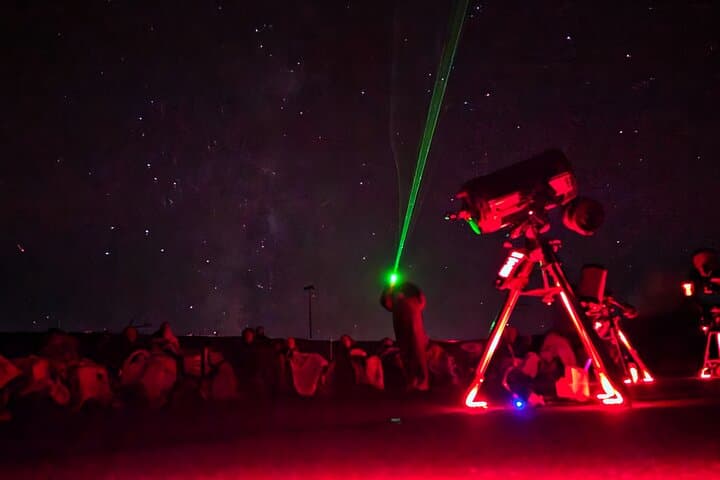
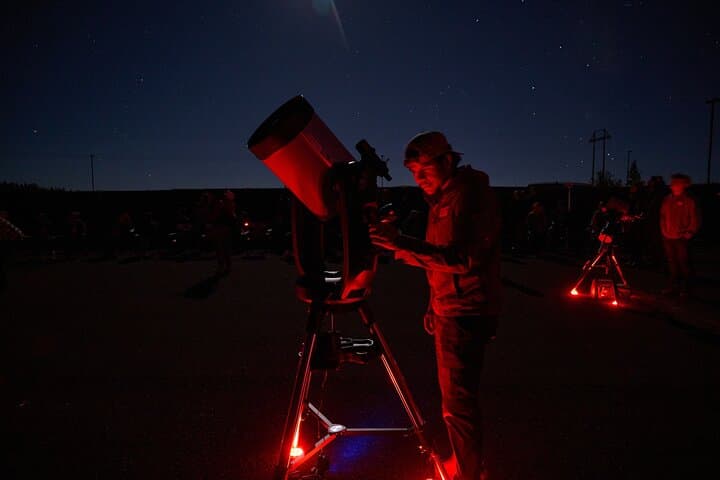
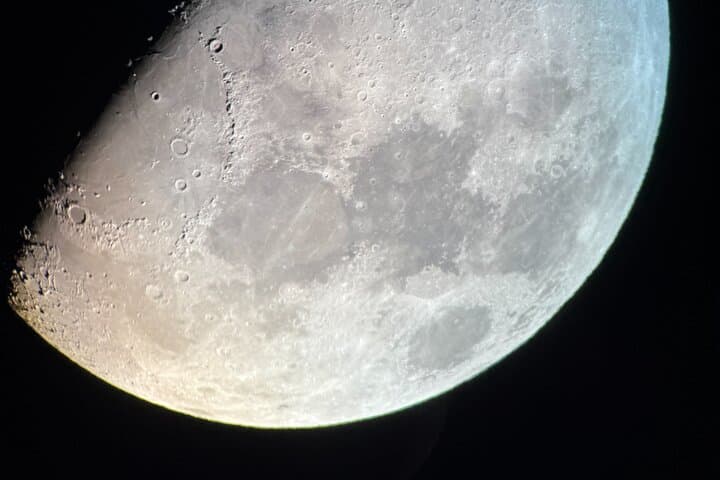
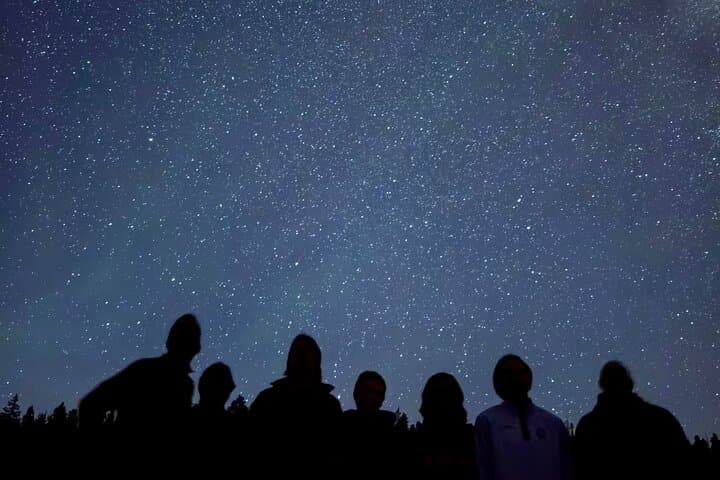
A chill arrives with the first hint of twilight and the amphitheater of hoodoos falls under a widening dome of stars. You stand on the rim where pinpricks of light start to outshine the last colors of sunset; guides set up telescopes and pass around hot cups as the Milky Way clarifies into a river of light.
A chill arrives with the first hint of twilight and the amphitheater of hoodoos falls under a widening dome of stars. You stand on the rim where pinpricks of light start to outshine the last colors of sunset; guides set up telescopes and pass around hot cups as the Milky Way clarifies into a river of light.
Bryce Canyon’s landscape was carved where plateaus meet high desert — a geology of alternating limestone and sandstone shaped by frost and time into the spires called hoodoos. The Paiute people who lived in the region named features with stories tied to sky and land; later settlers and explorers gave the canyon the modern name but the night sky remained central to local life.
Culturally the park draws photographers, amateur astronomers and families seeking dark skies. Guides pair science with myth, pointing out constellations while explaining light-years and spectral detail visible through modern optics. The area benefits from high elevation (around 8,000–9,000 ft) and low light pollution, which means deeper views of planets, nebulae and even faint galaxies on new-moon nights.
Practically: tours run about 1.5–2 hours, with chairs, blankets, hot drinks and telescopes provided. Dress in insulating layers, bring a tripod and charged batteries if you plan astrophotography, and use red light only to preserve night vision. Arrive early for parking and orientation; periods around new moon yield the best deep-sky viewing. Respect quiet zones and leave no light behind — the darkest skies here are a fragile resource.