THE ADVENTURE COLLECTIVE® · Independent discovery and booking for outdoor travel

Walk Skopje’s post-1963 concrete landscape with a guide who explains the city’s seismic rebirth and Kenzo Tange’s influence. This three-hour tour blends on-foot stops and short taxi rides to visit about ten key Brutalist landmarks and local neighborhoods.
Walk Skopje’s post-1963 concrete landscape with a guide who explains the city’s seismic rebirth and Kenzo Tange’s influence. This three-hour tour blends on-foot stops and short taxi rides to visit about ten key Brutalist landmarks and local neighborhoods.
A winter-grey sky curls over the Vardar as the group gathers on a cracked pavement, the city’s concrete bones rising like a collection of modern relics. Walking and short taxi hops move travelers through neighborhoods rebuilt after the 1963 earthquake, each stop a study in raw forms, exposed structural lines, and the civic optimism of a post-war Yugoslav era.
Verified experiences and guided adventures in the surrounding area.
Operated by Skopje Walking Tours · Skopje, Skopje
A winter-grey sky curls over the Vardar as the group gathers on a cracked pavement, the city’s concrete bones rising like a collection of modern relics. Walking and short taxi hops move travelers through neighborhoods rebuilt after the 1963 earthquake, each stop a study in raw forms, exposed structural lines, and the civic optimism of a post-war Yugoslav era.
Skopje’s story is geological and human: the Vardar valley sits on active faults, which explains the seismic rebirth that produced large-scale concrete blocks and the international planning input from figures like Kenzo Tange. The tour threads history with urban culture—student dormitories, the train station, and the distinctive post office—showing how functional design met rapid reconstruction and later layers of modernization.
Expect a mix of on-foot investigation and short drives between sites; roughly ten major buildings are covered across three hours. Guides frame each building’s material choices, social purpose, and controversies around preservation versus redevelopment. Local neighborhoods reveal everyday life—cafés, small markets, and muraled backstreets—that contrast with monumental façades.
Practical takeaways: wear supportive footwear for uneven sidewalks, bring water and weatherproof layers, and keep a charged phone for photos and taxi arrangements. Morning or late-afternoon slots avoid peak heat and traffic. The tour suits architecture enthusiasts and curious urban explorers who want context as much as visual drama—no climbing required, just attentive eyes and a readiness to read the city’s concrete handwriting.
easy.
3 hours.
Light walking ability; suitable for most fitness levels
The tour lasts about three hours and visits roughly ten significant Brutalist and post-earthquake landmarks across several neighborhoods.
The tour involves short walks and some stairs; it’s generally easy but not recommended for travelers with serious back problems or limited mobility—notify the operator when booking.
No—mobile tickets are accepted, but bring ID and ensure your phone is charged to show confirmation to the guide.
You can cancel for a full refund if you cancel at least 24 hours before the scheduled departure; tours may be canceled for bad weather or insufficient travelers.
Skopje was largely rebuilt after the devastating 1963 earthquake; international planners including Kenzo Tange contributed to a modernist reconstruction that favored large-scale concrete forms.
Preservation debates are active—respect building façades and local neighborhoods, and follow guides’ instructions to minimize wear on fragile or unofficial areas.
Skopje Walking Tours operates guided outdoor trips and adventures with an emphasis on safety, stewardship, and memorable experiences.
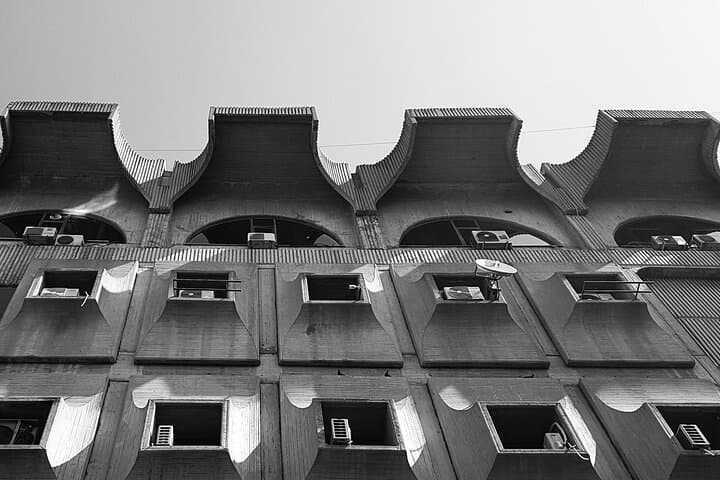
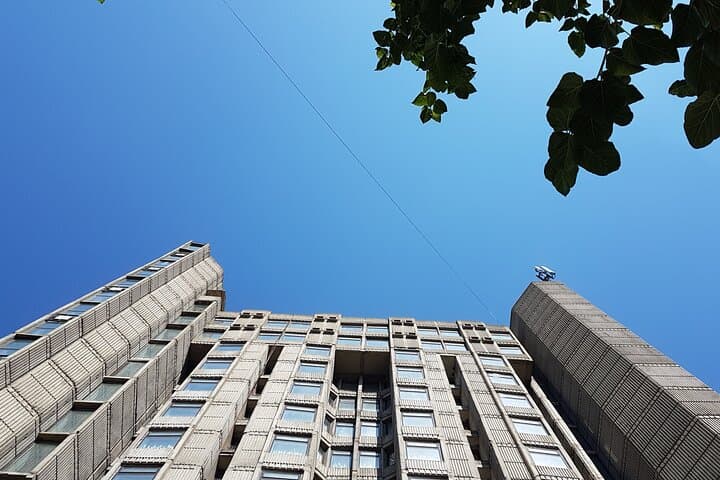
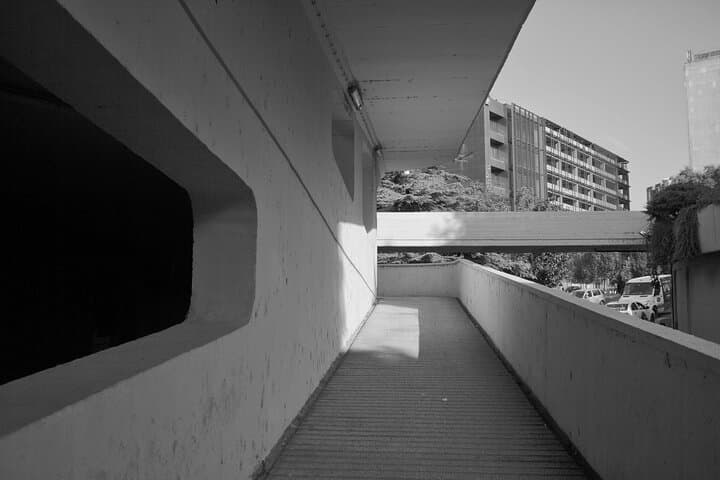
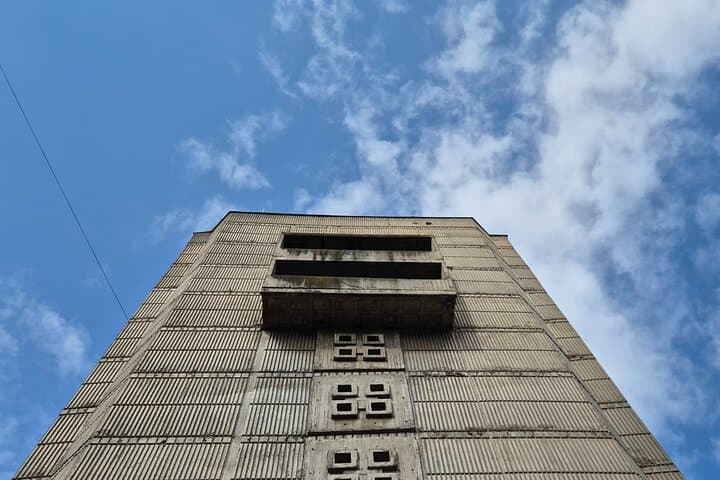
A winter-grey sky curls over the Vardar as the group gathers on a cracked pavement, the city’s concrete bones rising like a collection of modern relics. Walking and short taxi hops move travelers through neighborhoods rebuilt after the 1963 earthquake, each stop a study in raw forms, exposed structural lines, and the civic optimism of a post-war Yugoslav era.
A winter-grey sky curls over the Vardar as the group gathers on a cracked pavement, the city’s concrete bones rising like a collection of modern relics. Walking and short taxi hops move travelers through neighborhoods rebuilt after the 1963 earthquake, each stop a study in raw forms, exposed structural lines, and the civic optimism of a post-war Yugoslav era.
Skopje’s story is geological and human: the Vardar valley sits on active faults, which explains the seismic rebirth that produced large-scale concrete blocks and the international planning input from figures like Kenzo Tange. The tour threads history with urban culture—student dormitories, the train station, and the distinctive post office—showing how functional design met rapid reconstruction and later layers of modernization.
Expect a mix of on-foot investigation and short drives between sites; roughly ten major buildings are covered across three hours. Guides frame each building’s material choices, social purpose, and controversies around preservation versus redevelopment. Local neighborhoods reveal everyday life—cafés, small markets, and muraled backstreets—that contrast with monumental façades.
Practical takeaways: wear supportive footwear for uneven sidewalks, bring water and weatherproof layers, and keep a charged phone for photos and taxi arrangements. Morning or late-afternoon slots avoid peak heat and traffic. The tour suits architecture enthusiasts and curious urban explorers who want context as much as visual drama—no climbing required, just attentive eyes and a readiness to read the city’s concrete handwriting.