THE ADVENTURE COLLECTIVE® · Independent discovery and booking for outdoor travel

Walk from the UNESCO-listed Grand Place to the futuristic Atomium on a self-guided app tour that pairs food stops with major cultural sites. Expect four hours of cobbled streets, historic squares, and culinary detours—with offline app options and clear practical tips for a smooth city day.
Walk from the UNESCO-listed Grand Place to the futuristic Atomium on a self-guided app tour that pairs food stops with major cultural sites. Expect four hours of cobbled streets, historic squares, and culinary detours—with offline app options and clear practical tips for a smooth city day.
You step onto cobblestones that still remember market days and processions, earbuds in, phone humming the tour app — Brussels unfolds in tight, layered scenes: guildhalls glittering in the Grand Place, a cheeky bronze boy peeking from an alley, and a futuristic Atomium rising like an iron crystal reimagined.
Verified experiences and guided adventures in the surrounding area.
Operated by CloudGuide S.L · Brussels, Brussels-Capital Region
You step onto cobblestones that still remember market days and processions, earbuds in, phone humming the tour app — Brussels unfolds in tight, layered scenes: guildhalls glittering in the Grand Place, a cheeky bronze boy peeking from an alley, and a futuristic Atomium rising like an iron crystal reimagined.
This route threads through the city’s medieval core and 19th-century shopping arcades, tracing layers of trade, religion and post‑war optimism. Brussels grew from a marshy bend on the Senne into a capital of commerce; the Galeries Royales Saint‑Hubert speaks to 19th‑century bourgeois taste while the Atomium marks the 1958 World's Fair and Belgium’s post‑industrial gaze toward science and design.
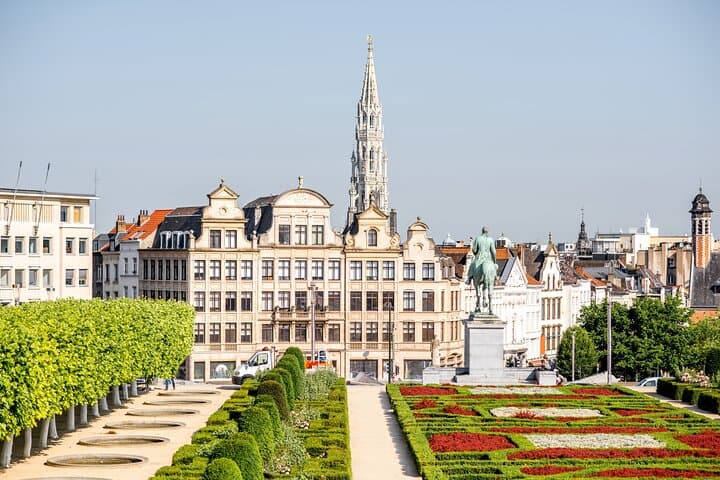
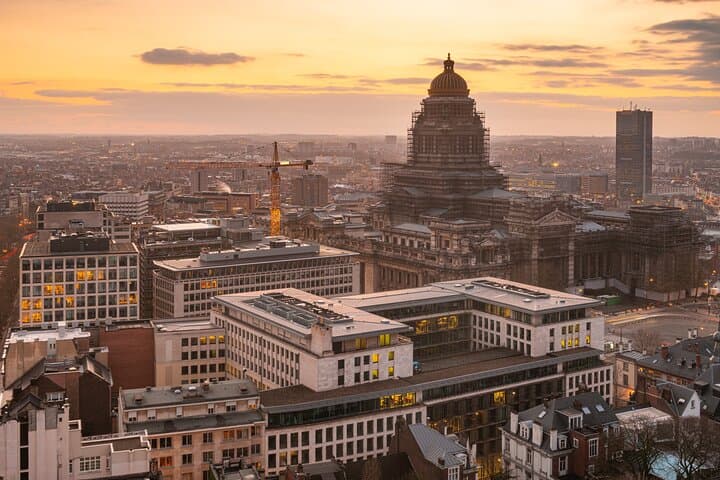
Architecture is the running commentary: Brabantine Gothic at the Cathedral, neoclassical order at Place Royale, and archaeological bones beneath the Coudenberg that reveal ducal foundations. Local culture shows up in chocolate counters, mussel restaurants around Place Sainte‑Catherine, and the city’s dry, jokey humor — embodied in Manneken Pis and his wardrobe.
Practical guidance: the app-driven itinerary takes about four hours at a steady walking pace; download the tour for offline use, charge a portable battery, and plan museum visits (Magritte, Atomium) separately for timed entry. Wear supportive shoes for uneven stones, carry a light rain layer, and schedule quieter hours early morning or late afternoon for photos and fewer crowds. Hydrate, pause in Parc de Bruxelles, and let the city’s details pull you from one square to the next.
easy.
4 hours.
Basic urban fitness—able to stand and walk for several hours; occasional stairs and short uphill sections.
The self-guided app covers route narration only; museums like the Magritte Museum and Atomium require separate, timed-entry tickets—book in advance for peak times.
Much of the route is on public streets and squares, but some points (historic buildings, underground archaeological areas) have limited accessibility—check individual sites for elevator access and step-free routes.
Yes—the app format lets you pause and resume; you can skip stops or spend extra time at cafés and museums as needed.
An internet connection improves map accuracy and multimedia, but you can pre-download the tour for full offline use if you prefer to avoid data charges.
Brussels grew from a medieval trading settlement on the Senne into a capital shaped by guilds, 19th‑century boulevards and the 1958 World’s Fair (Atomium), reflecting shifts in commerce and modernity.
Respect historic fabric by staying on marked paths and avoiding graffiti; local efforts prioritize pedestrian-friendly streets and preservation of archaeological sites.
CloudGuide S.L operates guided outdoor trips and adventures with an emphasis on safety, stewardship, and memorable experiences.
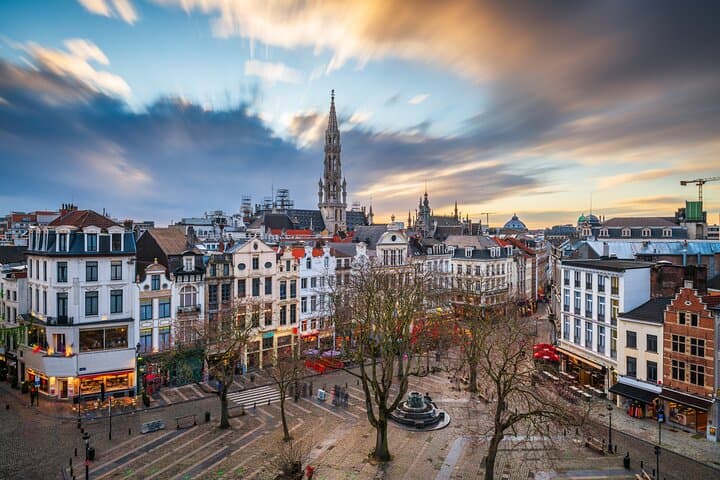
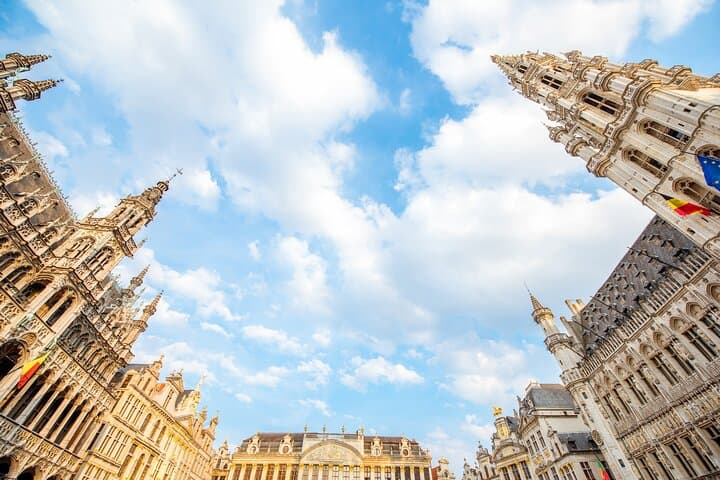
You step onto cobblestones that still remember market days and processions, earbuds in, phone humming the tour app — Brussels unfolds in tight, layered scenes: guildhalls glittering in the Grand Place, a cheeky bronze boy peeking from an alley, and a futuristic Atomium rising like an iron crystal reimagined.
You step onto cobblestones that still remember market days and processions, earbuds in, phone humming the tour app — Brussels unfolds in tight, layered scenes: guildhalls glittering in the Grand Place, a cheeky bronze boy peeking from an alley, and a futuristic Atomium rising like an iron crystal reimagined.
This route threads through the city’s medieval core and 19th-century shopping arcades, tracing layers of trade, religion and post‑war optimism. Brussels grew from a marshy bend on the Senne into a capital of commerce; the Galeries Royales Saint‑Hubert speaks to 19th‑century bourgeois taste while the Atomium marks the 1958 World's Fair and Belgium’s post‑industrial gaze toward science and design.
Architecture is the running commentary: Brabantine Gothic at the Cathedral, neoclassical order at Place Royale, and archaeological bones beneath the Coudenberg that reveal ducal foundations. Local culture shows up in chocolate counters, mussel restaurants around Place Sainte‑Catherine, and the city’s dry, jokey humor — embodied in Manneken Pis and his wardrobe.
Practical guidance: the app-driven itinerary takes about four hours at a steady walking pace; download the tour for offline use, charge a portable battery, and plan museum visits (Magritte, Atomium) separately for timed entry. Wear supportive shoes for uneven stones, carry a light rain layer, and schedule quieter hours early morning or late afternoon for photos and fewer crowds. Hydrate, pause in Parc de Bruxelles, and let the city’s details pull you from one square to the next.