THE ADVENTURE COLLECTIVE® · Independent discovery and booking for outdoor travel

Turn Brussels into a playable map. This 3-hour self-guided GPS game weaves landmark stops with hidden city corners, offering a playful, independent way to see the Belgian capital.
Turn Brussels into a playable map. This 3-hour self-guided GPS game weaves landmark stops with hidden city corners, offering a playful, independent way to see the Belgian capital.
You start on a narrow lane off the Grand Place, phone in hand, as the city loosens its pace around you. The GPS game pulls you through cobbled alleys, past baroque guildhalls and the occasional comic-book mural, inviting a new way to read Brussels — part scavenger hunt, part urban history walk.
Verified experiences and guided adventures in the surrounding area.
Operated by Dagboek van een Avonturier · Brussels, Brussels-Capital Region
You start on a narrow lane off the Grand Place, phone in hand, as the city loosens its pace around you. The GPS game pulls you through cobbled alleys, past baroque guildhalls and the occasional comic-book mural, inviting a new way to read Brussels — part scavenger hunt, part urban history walk.
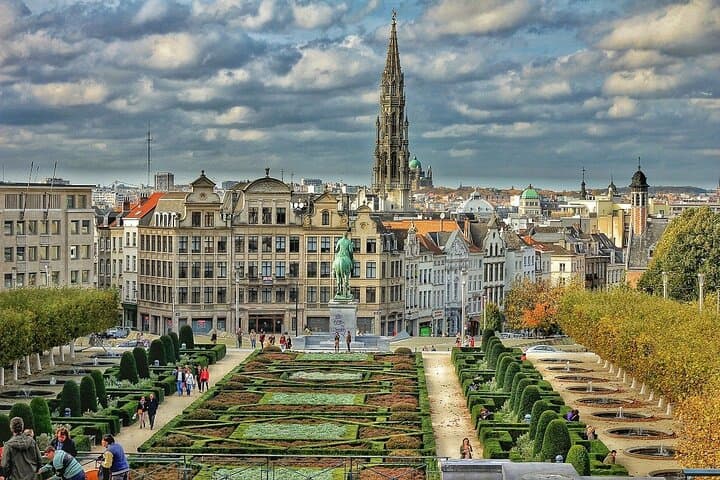
Brussels grew where the Senne river met the Brabant plain; the city’s layered past is visible in ornate 17th-century facades, Art Nouveau apartment fronts, and postwar squares. The game routes highlight both headline sites and local corners: a hidden statue in a Hôtel de Ville courtyard, a market stall selling speculoos, a quiet green on the Warande side where office workers lengthen their lunches.
Culturally, the city is bilingual and brimming with small-scale craftsmanship — chocolatiers, comic artists, and beer cellars — all of which the game frames as stop-and-learn moments. Geology here is subtle: low, flat terrain that made Brussels a crossroads rather than a fortress, which explains its eclectic architecture.
Practical guidance: the experience is self-guided via app, roughly three hours at an easy walking pace (expect around 4–6 km depending on detours). Start near central Brussels transport hubs for easy arrival and bring a fully charged smartphone plus a backup battery. Expect uneven cobbles, occasional steps, and city traffic; comfortable walking shoes and adaptable layers are recommended. The game is private and suitable for mixed fitness levels, making it ideal for families, friends, or solo explorers wanting a playful, independent introduction to Brussels’ streets and stories.
easy.
3 hours.
Suitable for most fitness levels; requires steady walking for up to 3 hours and short bursts of stairs on uneven city surfaces.
Yes — download the game app or instructions before starting and ensure your phone has GPS enabled and a working internet connection if required.
The game is self-guided and flexible, typically starting in central Brussels near Grand Place; you can finish at any point along the route when your time is up.
Yes — the activity is rated easy and family-friendly, though participants should be comfortable walking 4–6 km and negotiating city cobbles.
Game language options vary by provider; check the app details but many Brussels city games offer instructions in English, French, and Dutch.
Brussels evolved from a medieval river crossing into a diplomatic and cultural capital; the Grand Place reflects guild wealth from the 17th century while Art Nouveau traces early 20th-century civic growth.
Respect local neighborhoods by staying on public paths, disposing of trash, and supporting small, independent shops highlighted on the route to keep tourism benefits local.
Dagboek van een Avonturier operates guided outdoor trips and adventures with an emphasis on safety, stewardship, and memorable experiences.
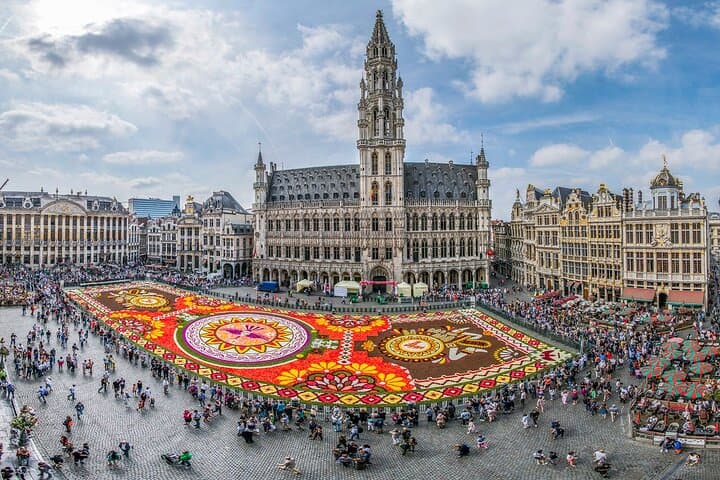
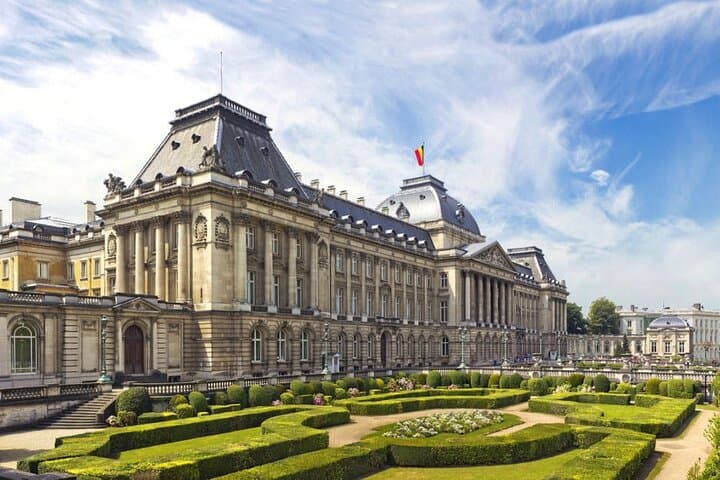
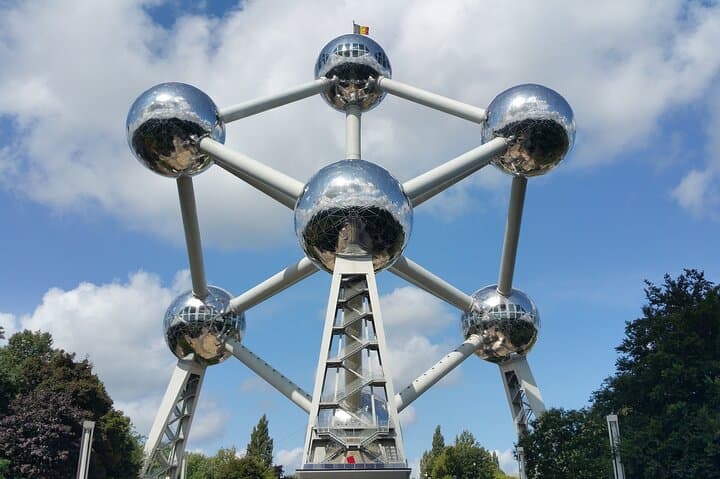
You start on a narrow lane off the Grand Place, phone in hand, as the city loosens its pace around you. The GPS game pulls you through cobbled alleys, past baroque guildhalls and the occasional comic-book mural, inviting a new way to read Brussels — part scavenger hunt, part urban history walk.
You start on a narrow lane off the Grand Place, phone in hand, as the city loosens its pace around you. The GPS game pulls you through cobbled alleys, past baroque guildhalls and the occasional comic-book mural, inviting a new way to read Brussels — part scavenger hunt, part urban history walk.
Brussels grew where the Senne river met the Brabant plain; the city’s layered past is visible in ornate 17th-century facades, Art Nouveau apartment fronts, and postwar squares. The game routes highlight both headline sites and local corners: a hidden statue in a Hôtel de Ville courtyard, a market stall selling speculoos, a quiet green on the Warande side where office workers lengthen their lunches.
Culturally, the city is bilingual and brimming with small-scale craftsmanship — chocolatiers, comic artists, and beer cellars — all of which the game frames as stop-and-learn moments. Geology here is subtle: low, flat terrain that made Brussels a crossroads rather than a fortress, which explains its eclectic architecture.
Practical guidance: the experience is self-guided via app, roughly three hours at an easy walking pace (expect around 4–6 km depending on detours). Start near central Brussels transport hubs for easy arrival and bring a fully charged smartphone plus a backup battery. Expect uneven cobbles, occasional steps, and city traffic; comfortable walking shoes and adaptable layers are recommended. The game is private and suitable for mixed fitness levels, making it ideal for families, friends, or solo explorers wanting a playful, independent introduction to Brussels’ streets and stories.