THE ADVENTURE COLLECTIVE® · Independent discovery and booking for outdoor travel

Take a full-day small-group tour from Hobart to Bruny Island’s raw cliffs, sheltered beaches, and artisanal food stops. Expect easy walks, wildlife sightings, and a lighthouse viewpoint with panoramic coastal views.
Take a full-day small-group tour from Hobart to Bruny Island’s raw cliffs, sheltered beaches, and artisanal food stops. Expect easy walks, wildlife sightings, and a lighthouse viewpoint with panoramic coastal views.
You step off the ferry into a wind that tastes of kelp and ocean; the van hums up a narrow coastal road and the island opens in folded headlands, beach rims, and a scrub-scented hush. Early light picks out dolerite cliffs at Cape Bruny, while the guide outlines a day that moves between wildlife, tasting rooms, and short walks to high viewpoints.
Verified experiences and guided adventures in the surrounding area.
Operated by Wild Escapes Tasmania · Bruny Island, Tasmania
You step off the ferry into a wind that tastes of kelp and ocean; the van hums up a narrow coastal road and the island opens in folded headlands, beach rims, and a scrub-scented hush. Early light picks out dolerite cliffs at Cape Bruny, while the guide outlines a day that moves between wildlife, tasting rooms, and short walks to high viewpoints.
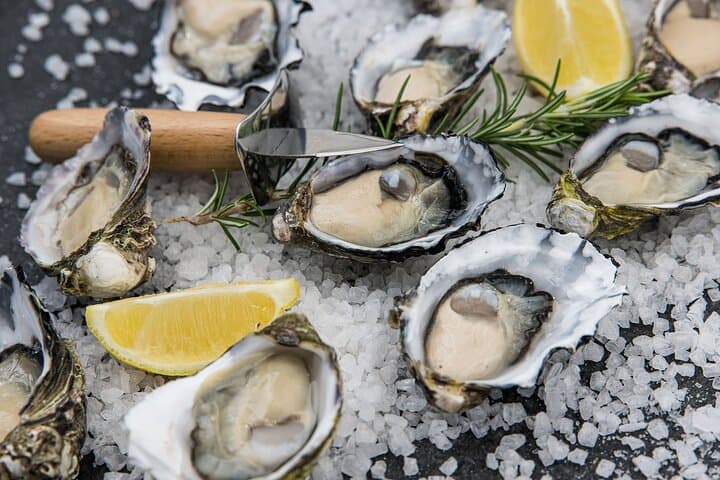
Geology here is blunt and old — columnar dolerite and wave-carved platforms that record Tasmania’s violent shoreline. European history threads through maritime navigation: Cape Bruny Lighthouse (first lit 1838) guarded passing ships; Aboriginal Tasmanian connections and seasonal shellfish gathering predate those beacons. Culture on Bruny now mixes family-run producers with tidal rhythms — oysters straight from the channel, small-batch cheeses, and a honey operation that traces nectar back to island eucalypts.
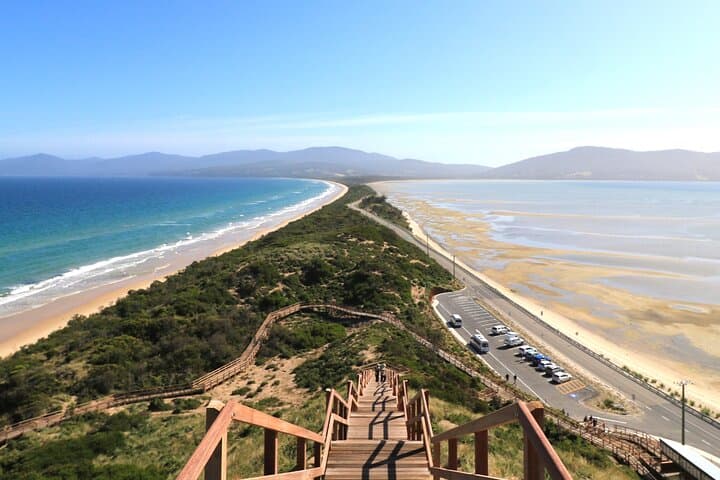
Practical guidance: tours run roughly 8–9 hours with hotel pickup in Hobart and a short ferry crossing. Expect several short walks including about 200 steps at The Neck lookout and a modest 1–2 km stroll near the lighthouse; paths are uneven and exposed on headlands. Wildlife viewing is best in low light — white wallabies and sea eagles are common — and photography stops are frequent. Bring layered, windproof clothing, sturdy shoes, and a daypack for tastings and snack breaks. Allergy-friendly options are available at food stops, but let the operator know ahead if you have shellfish or dairy allergies. Timing visits for calmer seas and clear skies improves coastal viewpoints, and supporting on-island producers keeps tourism sustainable.
easy.
8–9 hours.
Suitable for most fitness levels; can handle several short walks and stairs but no sustained hiking required
The overall transport time from Hobart to Bruny Island on this tour is about 45 minutes door-to-door including the ferry and minibus transfer; the ferry leg is short (roughly 20–25 minutes depending on schedule).
Yes — the itinerary includes oyster and cheese tastings and stops at local producers, though some meals at restaurants may be optional or at additional cost.
Yes — common sightings include white wallabies, sea eagles, and occasional fur seals; wildlife encounters depend on time of day and season.
The tour is marketed as suitable for most fitness levels but involves stairs and uneven ground; it's not wheelchair accessible and may be challenging for those with significant mobility limitations.
Cape Bruny Lighthouse, first lit in 1838, sits on dolerite cliffs that guided 19th-century shipping; Aboriginal Tasmanian people used these coastal resources for millennia before European settlement.
Visitors are asked to stay on marked paths, avoid disturbing shellfish beds and wildlife, and support small producers to keep the island’s economy and ecosystems balanced.
Wild Escapes Tasmania operates guided outdoor trips and adventures with an emphasis on safety, stewardship, and memorable experiences.
You step off the ferry into a wind that tastes of kelp and ocean; the van hums up a narrow coastal road and the island opens in folded headlands, beach rims, and a scrub-scented hush. Early light picks out dolerite cliffs at Cape Bruny, while the guide outlines a day that moves between wildlife, tasting rooms, and short walks to high viewpoints.
You step off the ferry into a wind that tastes of kelp and ocean; the van hums up a narrow coastal road and the island opens in folded headlands, beach rims, and a scrub-scented hush. Early light picks out dolerite cliffs at Cape Bruny, while the guide outlines a day that moves between wildlife, tasting rooms, and short walks to high viewpoints.
Geology here is blunt and old — columnar dolerite and wave-carved platforms that record Tasmania’s violent shoreline. European history threads through maritime navigation: Cape Bruny Lighthouse (first lit 1838) guarded passing ships; Aboriginal Tasmanian connections and seasonal shellfish gathering predate those beacons. Culture on Bruny now mixes family-run producers with tidal rhythms — oysters straight from the channel, small-batch cheeses, and a honey operation that traces nectar back to island eucalypts.
Practical guidance: tours run roughly 8–9 hours with hotel pickup in Hobart and a short ferry crossing. Expect several short walks including about 200 steps at The Neck lookout and a modest 1–2 km stroll near the lighthouse; paths are uneven and exposed on headlands. Wildlife viewing is best in low light — white wallabies and sea eagles are common — and photography stops are frequent. Bring layered, windproof clothing, sturdy shoes, and a daypack for tastings and snack breaks. Allergy-friendly options are available at food stops, but let the operator know ahead if you have shellfish or dairy allergies. Timing visits for calmer seas and clear skies improves coastal viewpoints, and supporting on-island producers keeps tourism sustainable.