THE ADVENTURE COLLECTIVE® · Independent discovery and booking for outdoor travel

Escape Paris for a long, well-paced day in medieval Bruges via a comfortable Mercedes minivan. Expect a guided walking tour of the UNESCO core, canal-side free time, and options for boat rides, breweries, and chocolate stops.
Escape Paris for a long, well-paced day in medieval Bruges via a comfortable Mercedes minivan. Expect a guided walking tour of the UNESCO core, canal-side free time, and options for boat rides, breweries, and chocolate stops.
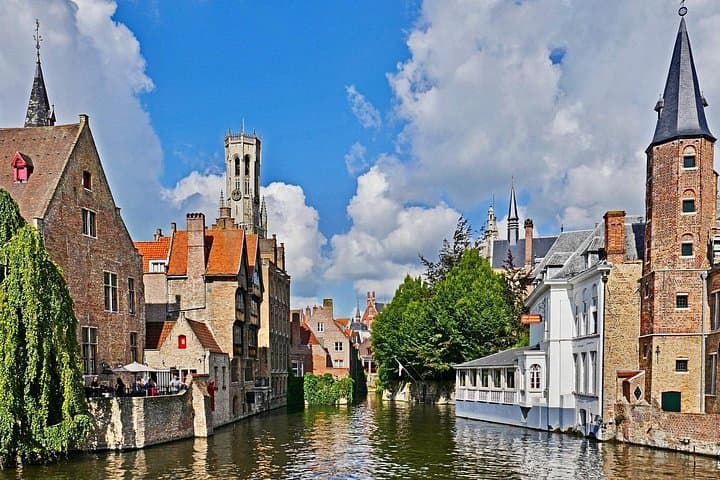
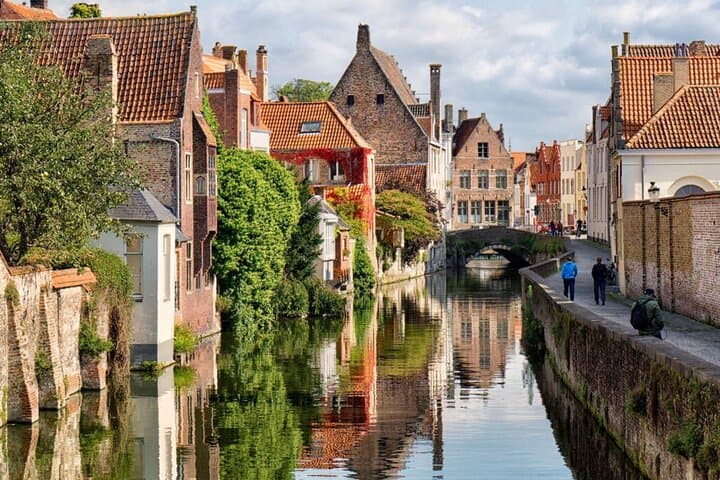
You step into pre-dawn Paris and find a long, comfortable Mercedes minivan waiting; seats adjust, coffee hums, and the road west unwinds toward low, canal-cut Flanders. Three and a half hours later Bruges arrives not as an attraction but as a lived place: stone streets, bell tower notes drifting across water, merchants’ houses reflected in quiet canals.
Verified experiences and guided adventures in the surrounding area.
Operated by Clewel Travel · Bruges, West Flanders
You step into pre-dawn Paris and find a long, comfortable Mercedes minivan waiting; seats adjust, coffee hums, and the road west unwinds toward low, canal-cut Flanders. Three and a half hours later Bruges arrives not as an attraction but as a lived place: stone streets, bell tower notes drifting across water, merchants’ houses reflected in quiet canals.
Bruges was a 12th–15th century trading powerhouse in the County of Flanders; the city’s medieval core, a UNESCO World Heritage site, preserves brick gables, the 83‑meter Belfry (1240) and the Beguinage founded in 1245. Geologically the area sits on coastal clay and reclaimed polder, which is why canals, levees and windmills shaped local life and commerce for centuries. Culturally you’ll find Flemish beer, lace-making traditions, and chocolate workshops that grew from that mercantile past.
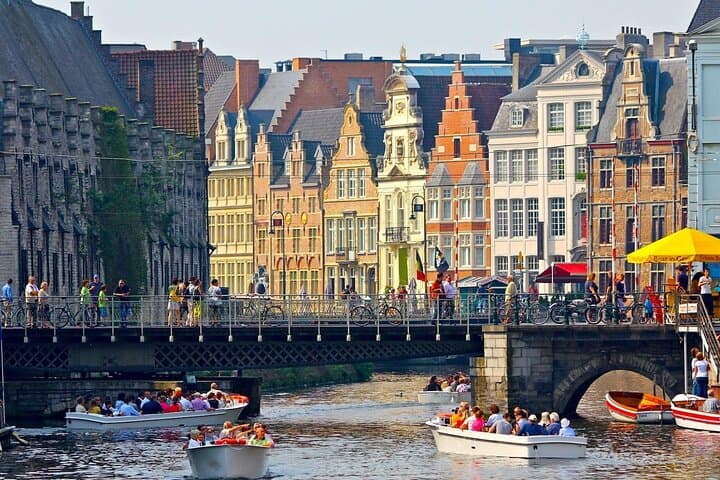
On this full-day run from Paris (approx. 295–300 km each way) groups of 4–7 trade highway miles for a 90–120 minute guided walk in the city center, then several hours of free time for a canal boat, brewery visit, or museum. Practicalities matter: cobblestones and narrow alleys mean sturdy footwear; boats, tastings and museum entries may be extra; restroom and stretch stops are scheduled on the return.
Bring a compact daypack, waterproof layer and euros for small purchases. Expect a long day—early departure, late return—and a rhythm of listening, walking, and choosing how you’ll spend an afternoon inside one of northern Europe’s most intact medieval cities.
easy.
13–14 hours.
Light walking ability; must be comfortable standing and walking 1.5–2 hours on cobbles with intermittent free-time wandering
Pickup from central Paris hotels or a central meeting point is offered—confirm your pickup option when booking and provide hotel details.
No; the boat ride is usually optional and paid on-site during your free time.
Guided walks are typically conducted in English or the language stated on your booking—check if other languages are available on request.
The tour involves walking on uneven cobbles and some steps; guests with limited mobility should contact the operator to discuss accessibility and pickup/drop-off options.
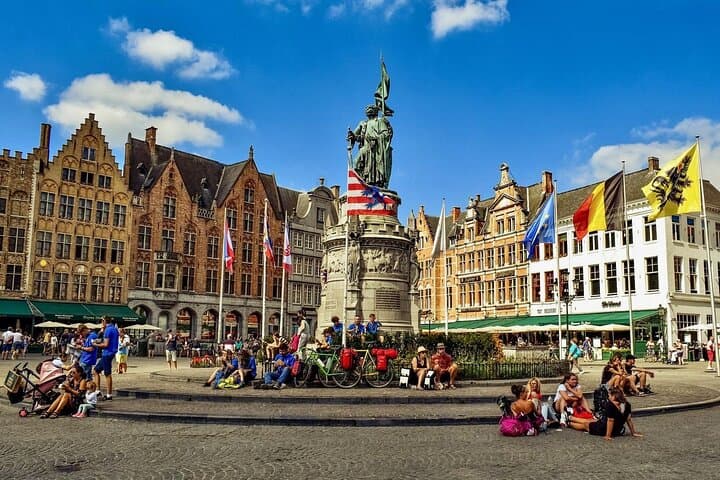
Bruges grew into a major medieval trading port within the County of Flanders; its preserved market square, belfry and beguinage reflect centuries of cloth trade and civic autonomy.
The city manages heavy tourism in the historic core through controlled boat traffic and preservation of waterways; visitors are encouraged to minimize litter, avoid feeding wildlife, and support local artisans.
Clewel Travel operates guided outdoor trips and adventures with an emphasis on safety, stewardship, and memorable experiences.
You step into pre-dawn Paris and find a long, comfortable Mercedes minivan waiting; seats adjust, coffee hums, and the road west unwinds toward low, canal-cut Flanders. Three and a half hours later Bruges arrives not as an attraction but as a lived place: stone streets, bell tower notes drifting across water, merchants’ houses reflected in quiet canals.
You step into pre-dawn Paris and find a long, comfortable Mercedes minivan waiting; seats adjust, coffee hums, and the road west unwinds toward low, canal-cut Flanders. Three and a half hours later Bruges arrives not as an attraction but as a lived place: stone streets, bell tower notes drifting across water, merchants’ houses reflected in quiet canals.
Bruges was a 12th–15th century trading powerhouse in the County of Flanders; the city’s medieval core, a UNESCO World Heritage site, preserves brick gables, the 83‑meter Belfry (1240) and the Beguinage founded in 1245. Geologically the area sits on coastal clay and reclaimed polder, which is why canals, levees and windmills shaped local life and commerce for centuries. Culturally you’ll find Flemish beer, lace-making traditions, and chocolate workshops that grew from that mercantile past.
On this full-day run from Paris (approx. 295–300 km each way) groups of 4–7 trade highway miles for a 90–120 minute guided walk in the city center, then several hours of free time for a canal boat, brewery visit, or museum. Practicalities matter: cobblestones and narrow alleys mean sturdy footwear; boats, tastings and museum entries may be extra; restroom and stretch stops are scheduled on the return.
Bring a compact daypack, waterproof layer and euros for small purchases. Expect a long day—early departure, late return—and a rhythm of listening, walking, and choosing how you’ll spend an afternoon inside one of northern Europe’s most intact medieval cities.