THE ADVENTURE COLLECTIVE® · Independent discovery and booking for outdoor travel

Make the most of a Zeebrugge stop with a six-hour guided tour that pairs a narrated drive with two hours of free time in the Old Town. Walk past the Belfry, cross photogenic canals, sample beers and chocolates, and return to port on schedule.
Make the most of a Zeebrugge stop with a six-hour guided tour that pairs a narrated drive with two hours of free time in the Old Town. Walk past the Belfry, cross photogenic canals, sample beers and chocolates, and return to port on schedule.
A ship slides away and Bruges appears like a map unfolding: cobbled streets running between sleepy canals, the Belfry rising above slate roofs. Visitors are met at Zeebrugge terminal and driven thirty minutes through flat West Flanders, where farmland yields to medieval stone and the city’s moody waterways seem to breathe history back at travelers.
Verified experiences and guided adventures in the surrounding area.
Operated by European Essentials · Bruges, West Flanders
A ship slides away and Bruges appears like a map unfolding: cobbled streets running between sleepy canals, the Belfry rising above slate roofs. Visitors are met at Zeebrugge terminal and driven thirty minutes through flat West Flanders, where farmland yields to medieval stone and the city’s moody waterways seem to breathe history back at travelers.
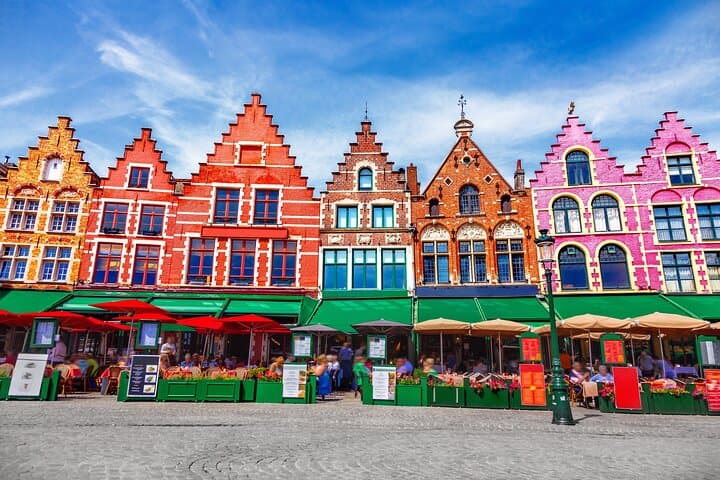
Bruges grew rich on wool and cloth in the Middle Ages; the market square and Gothic city hall still echo that commerce. Geologically the region is low and marine—peat, reclaimed land and canal engineering shaped the city’s streets. Culturally, Bruges is compact and cathedral-focused: the Basilica of the Holy Blood, quiet beguinages, and canal quays where boats nudge reflections like stories.
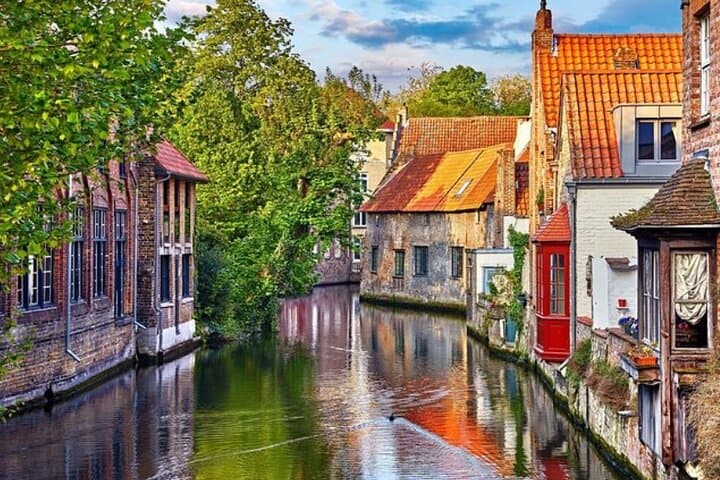
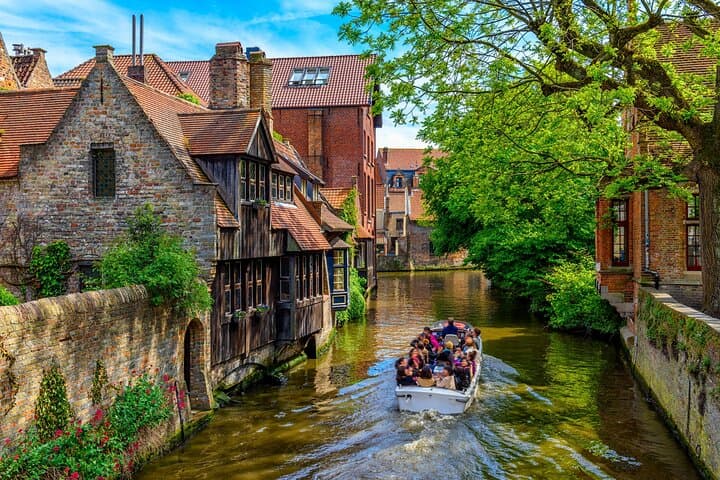
The itinerary balances guided context with two hours of self-directed time—ample for a brewery tasting, a chocolate shop, or a waffles stop. Key vistas include Rozenhoedkaai and the Boniface Bridge; both reward early light and a patient eye for reflections and detail.
Practical guidance: wear supportive walking shoes for roughly two hours of walking on uneven cobbles and dress in layers—Flanders’ weather can shift quickly. Plan beer or museum visits into the free window and keep an eye on time; the operator guarantees timely return to port. Bring a small daypack, a compact rain shell, and local cash or cards for small purchases.
This excursion suits travelers who want a thorough, time-efficient introduction to Bruges—history, canals, and food—with the security of organized transport back to Zeebrugge.
moderate.
6 hours.
Moderate—able to walk on cobbles and stand during guided stops for 2+ hours
The tour includes roughly two hours of walking in pedestrian areas—mainly cobbles and short stair sections—within a 6-hour schedule.
No—admissions are not included; the itinerary provides free time to visit attractions independently if travelers wish to buy tickets.
Yes—operators guarantee timely return to Zeebrugge and coordinate pick-ups to match cruise schedules.
Infants can ride in strollers, but the tour requires moderate mobility and is not recommended for wheelchair users due to cobbles and stairs.
Bruges rose to prominence in the 12th–15th centuries as a major North Sea trading hub and cloth center; many public buildings date from that era.
Bruges is a UNESCO World Heritage site; visitors are asked to respect narrow streets, avoid trampling green spaces, and limit noise on residential canal banks.
European Essentials operates guided outdoor trips and adventures with an emphasis on safety, stewardship, and memorable experiences.
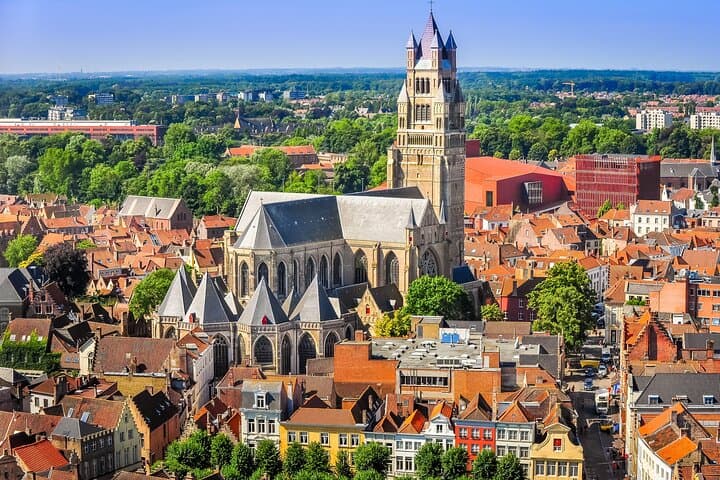
A ship slides away and Bruges appears like a map unfolding: cobbled streets running between sleepy canals, the Belfry rising above slate roofs. Visitors are met at Zeebrugge terminal and driven thirty minutes through flat West Flanders, where farmland yields to medieval stone and the city’s moody waterways seem to breathe history back at travelers.
A ship slides away and Bruges appears like a map unfolding: cobbled streets running between sleepy canals, the Belfry rising above slate roofs. Visitors are met at Zeebrugge terminal and driven thirty minutes through flat West Flanders, where farmland yields to medieval stone and the city’s moody waterways seem to breathe history back at travelers.
Bruges grew rich on wool and cloth in the Middle Ages; the market square and Gothic city hall still echo that commerce. Geologically the region is low and marine—peat, reclaimed land and canal engineering shaped the city’s streets. Culturally, Bruges is compact and cathedral-focused: the Basilica of the Holy Blood, quiet beguinages, and canal quays where boats nudge reflections like stories.
The itinerary balances guided context with two hours of self-directed time—ample for a brewery tasting, a chocolate shop, or a waffles stop. Key vistas include Rozenhoedkaai and the Boniface Bridge; both reward early light and a patient eye for reflections and detail.
Practical guidance: wear supportive walking shoes for roughly two hours of walking on uneven cobbles and dress in layers—Flanders’ weather can shift quickly. Plan beer or museum visits into the free window and keep an eye on time; the operator guarantees timely return to port. Bring a small daypack, a compact rain shell, and local cash or cards for small purchases.
This excursion suits travelers who want a thorough, time-efficient introduction to Bruges—history, canals, and food—with the security of organized transport back to Zeebrugge.