THE ADVENTURE COLLECTIVE® · Independent discovery and booking for outdoor travel

Spend a full day crossing Brownsberg’s lateritic ridge for rainforest hikes and waterfall swims. This guide covers what to expect—terrain, wildlife, seasonal notes, and practical tips to plan your day trip from Paramaribo.
Spend a full day crossing Brownsberg’s lateritic ridge for rainforest hikes and waterfall swims. This guide covers what to expect—terrain, wildlife, seasonal notes, and practical tips to plan your day trip from Paramaribo.
The trail opens under a cathedral of hardwoods; sunlight slices through high leaves and the humid air seems to breathe around you as the group climbs toward the plateau. By midmorning the forest changes — lianas and epiphytes thicken, birdcalls sharpen, and small clearings reveal lenses of sky above the lake far below.
Verified experiences and guided adventures in the surrounding area.
Operated by Orange Travel N.V. · Brownsweg, Brokopondo District
The trail opens under a cathedral of hardwoods; sunlight slices through high leaves and the humid air seems to breathe around you as the group climbs toward the plateau. By midmorning the forest changes — lianas and epiphytes thicken, birdcalls sharpen, and small clearings reveal lenses of sky above the lake far below.
Brownsberg sits on a lateritic ridge above the Brokopondo Reservoir. Its red soil, formed from ancient tropical weathering, feeds a forest that supports hundreds of bird species and a handful of primates. The area carries colonial-era history: gold prospecting and then hydroelectric works reshaped the landscape, while Maroon communities along the reservoir maintain distinct cultural ties to the forest.
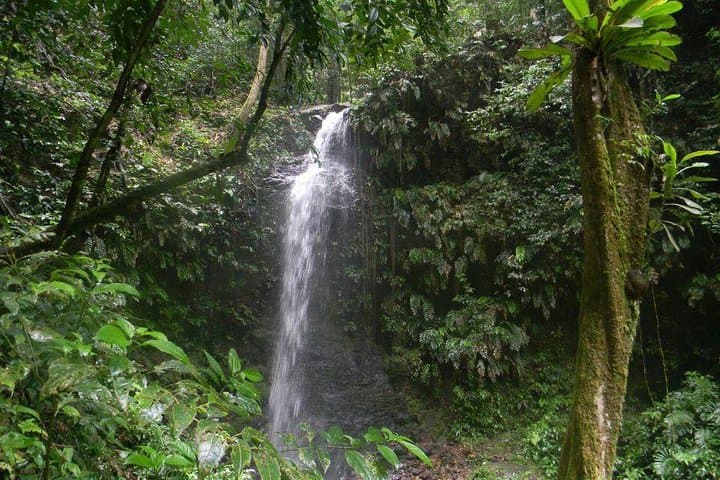
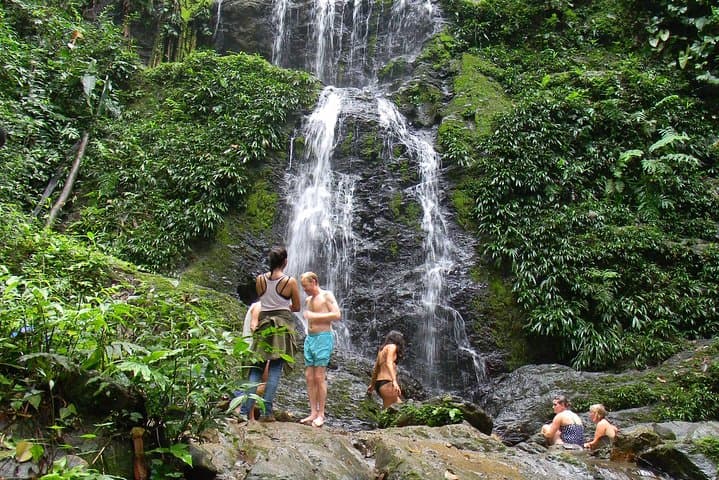
Expect narrow, sometimes steep trails with exposed roots and slippery sections after rain. Waterfalls cascade from the ridge when creeks have volume — in dry months flows can be reduced and horseflies increase. Wildlife encounters are common: monkeys move through the canopy, and quiet observers may spot sloths, toucans, or colorful froglife.
Practical guidance: start early to avoid heat and maximize sightings, wear grippy hiking shoes and long socks to guard against insects, and bring 2–3 liters of water. The tour typically includes lunch, bottled water, and a local guide; transport from Paramaribo takes around 1.5–2 hours each way depending on road conditions. Be prepared for basic facilities and variable mobile signal; leave no trace and keep food secured to avoid habituating animals.
moderate.
10–12 hours.
Comfortable for hikers with steady aerobic fitness; involves sustained walking on uneven and sometimes steep terrain
Travel time is typically 1.5–2 hours each way depending on road and weather conditions, with pickup available from selected hotels.
Swim opportunities depend on season; rainy months produce stronger falls but can make access wet, while dry months reduce flow and may expose more rocks.
Children are allowed but must be accompanied by an adult; some sections are steep and require careful supervision.
Expect diverse birdlife, several monkey species, potentially sloths, agoutis (forest pigs), and brightly colored frogs along streams.
The ridge was affected by 20th-century gold prospecting and the creation of the Brokopondo Reservoir, which transformed local settlement and ecology; nearby Maroon communities retain distinct cultural practices linked to the forest.
Brownsberg is protected as a nature reserve; visitors are asked to stay on trails, avoid feeding wildlife, and pack out waste to limit human impact on sensitive habitats.
Orange Travel N.V. operates guided outdoor trips and adventures with an emphasis on safety, stewardship, and memorable experiences.
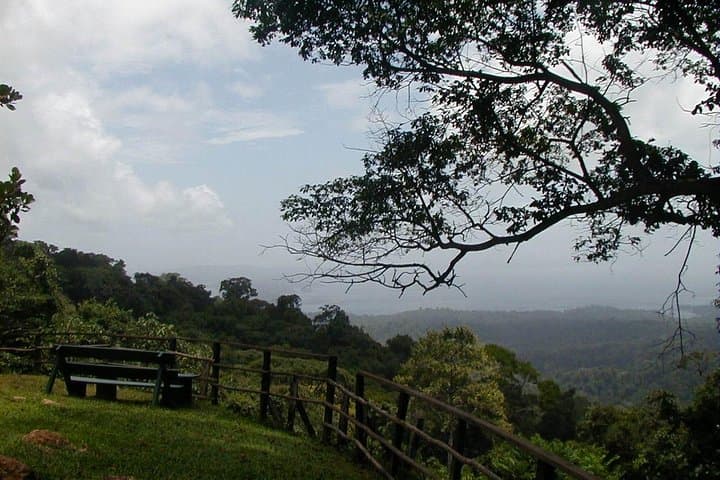
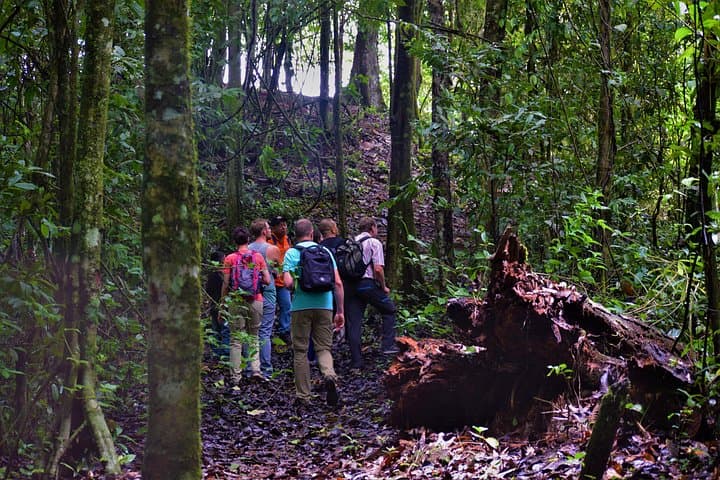
The trail opens under a cathedral of hardwoods; sunlight slices through high leaves and the humid air seems to breathe around you as the group climbs toward the plateau. By midmorning the forest changes — lianas and epiphytes thicken, birdcalls sharpen, and small clearings reveal lenses of sky above the lake far below.
The trail opens under a cathedral of hardwoods; sunlight slices through high leaves and the humid air seems to breathe around you as the group climbs toward the plateau. By midmorning the forest changes — lianas and epiphytes thicken, birdcalls sharpen, and small clearings reveal lenses of sky above the lake far below.
Brownsberg sits on a lateritic ridge above the Brokopondo Reservoir. Its red soil, formed from ancient tropical weathering, feeds a forest that supports hundreds of bird species and a handful of primates. The area carries colonial-era history: gold prospecting and then hydroelectric works reshaped the landscape, while Maroon communities along the reservoir maintain distinct cultural ties to the forest.
Expect narrow, sometimes steep trails with exposed roots and slippery sections after rain. Waterfalls cascade from the ridge when creeks have volume — in dry months flows can be reduced and horseflies increase. Wildlife encounters are common: monkeys move through the canopy, and quiet observers may spot sloths, toucans, or colorful froglife.
Practical guidance: start early to avoid heat and maximize sightings, wear grippy hiking shoes and long socks to guard against insects, and bring 2–3 liters of water. The tour typically includes lunch, bottled water, and a local guide; transport from Paramaribo takes around 1.5–2 hours each way depending on road conditions. Be prepared for basic facilities and variable mobile signal; leave no trace and keep food secured to avoid habituating animals.