THE ADVENTURE COLLECTIVE® · Independent discovery and booking for outdoor travel

A floatplane lifts you from Homer and deposits you beside one of Alaska’s great wildlife stages: Brooks Falls. Spend a focused day watching brown bears fish for salmon with experienced guides and small groups.
A floatplane lifts you from Homer and deposits you beside one of Alaska’s great wildlife stages: Brooks Falls. Spend a focused day watching brown bears fish for salmon with experienced guides and small groups.
The propeller thumps, the floatplane lifts, and the inlet folds away beneath you—slate water, jagged spruce ridgelines, and the first glint of glacier ice in the distance. By the time the plane eases into the sheltered cove near Brooks Camp, your pulse has found the slower rhythm of the wild: a river that seems to pull the landscape toward itself and the steady, deliberate presence of brown bears on the salmon run.
Verified experiences and guided adventures in the surrounding area.
Operated by Alaskan Adventure Guides · Homer, Alaska
The propeller thumps, the floatplane lifts, and the inlet folds away beneath you—slate water, jagged spruce ridgelines, and the first glint of glacier ice in the distance. By the time the plane eases into the sheltered cove near Brooks Camp, your pulse has found the slower rhythm of the wild: a river that seems to pull the landscape toward itself and the steady, deliberate presence of brown bears on the salmon run.
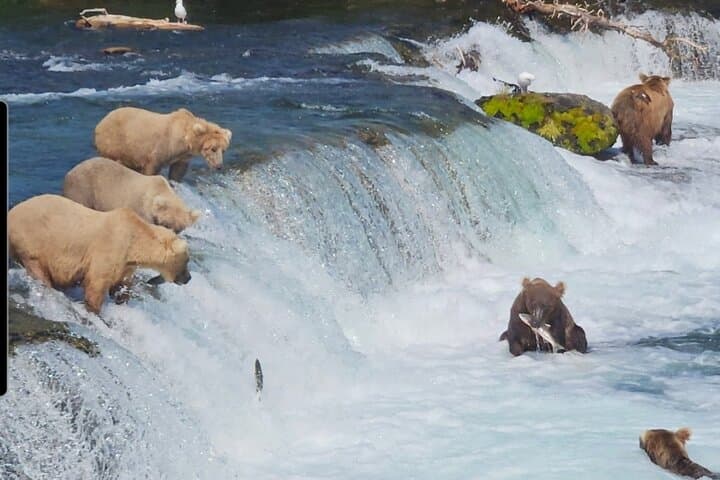
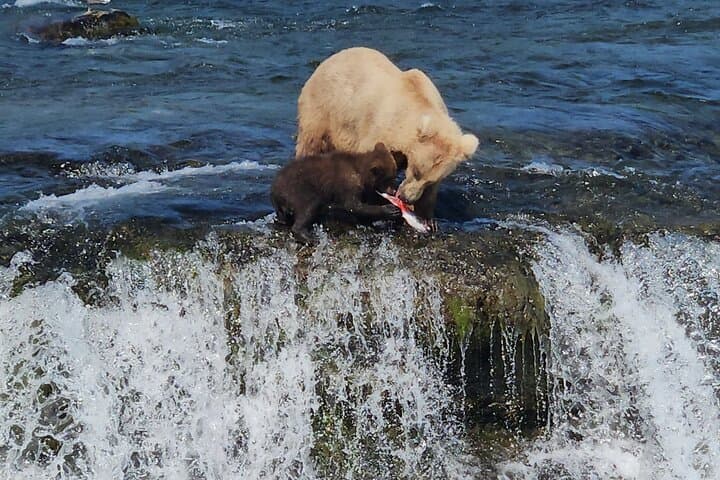
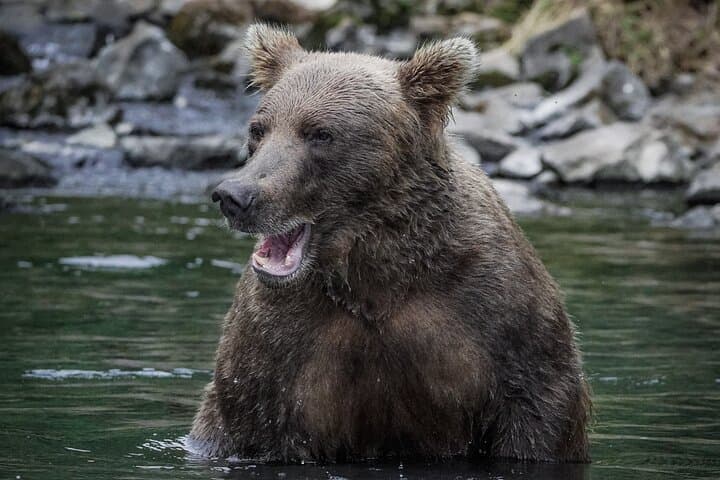
Brooks Falls is less a single image than a season-long event. From mid-summer, silver salmon choke the Brooks River and grizzlies position themselves like fishermen at a river bend, swatting and standing on hind legs to track leaping fish. The park’s volcanic past—remember Novarupta’s 1912 eruption and the Valley of Ten Thousand Smokes—still shapes the basin: pumice-strewn ridges, sudden cliffs and a plain that channels water and life in dramatic ways.
Native Alutiiq and Sugpiaq peoples have lived with these rhythms for millennia; Katmai was set aside for protection in the early 20th century after the volcanic upheaval and later expanded into the national park and preserve visitors know today. The result is a place where geology, culture and animal behavior are on public display and where management focuses on minimal disturbance: boardwalks, viewing platforms, and strict rules around food and distance help keep both bears and people safe.
This floatplane trip from Homer compresses remote wilderness into a single, focused day. Expect roughly six hours total—about three hours of flight time round trip and a multi-hour guided window on site to watch bears at and around Brooks Falls. Groups are intentionally small—max four guests—so sightings feel intimate rather than rushed. Guides prioritize safety, interpretation, and photography time, and you’ll likely stand on the viewing platforms as a scrawny salmon arcs through white water and a bear explodes from the current.
Practicalities matter here. Bring layered, waterproof clothing and sturdy footwear for wet boardwalks; pack snacks and water; leave fish or scented food at home; and respect the aircraft’s weight limits. The operator won’t allow bear spray on board and enforces a combined weight cap for safety and balance. Weather can change quickly—rain and wind shorten windows—so flexibility and a calm tolerance for remote logistics make the day far more enjoyable.
If you go with clear eyes and solid preparation, Brooks Falls rewards patience with uncompromising wildlife theater: the slap of a bear’s paw, the spray of a leaping salmon, and the slow, indifferent choreography of a landscape still settling from its volcanic youth.
moderate.
6 hours.
Moderate fitness—able to walk short distances on uneven, wet boardwalks and tolerate being stationary for extended viewing.
Meet at 3395 Lampert Loop in Homer; park in the driveway and walk down to the lake where the floatplane will pick you up.
No—bear spray is not allowed on the aircraft and fish products are prohibited to prevent wildlife attraction.
Basic facilities exist at Brooks Camp (pit toilets); plan accordingly—bring hand sanitizer and minimal personal supplies.
Max four guests per flight; passengers must weigh under 250 lbs and the combined flight weight max is 600 lbs.
Flights may be canceled for safety; the operator states cancellations for poor weather and insufficient travelers with no refunds.
Not recommended—operators list spinal and cardiovascular conditions as contraindications due to floatplane access and remote conditions.
Katmai’s landscape was reshaped by the 1912 Novarupta eruption; the area was protected in the early 20th century and later designated Katmai National Park and Preserve.
Park rules and small-group aircraft operations minimize human impact; never feed wildlife, pack out trash, and follow boardwalks to protect fragile tundra.
Alaskan Adventure Guides operates guided outdoor trips and adventures with an emphasis on safety, stewardship, and memorable experiences.
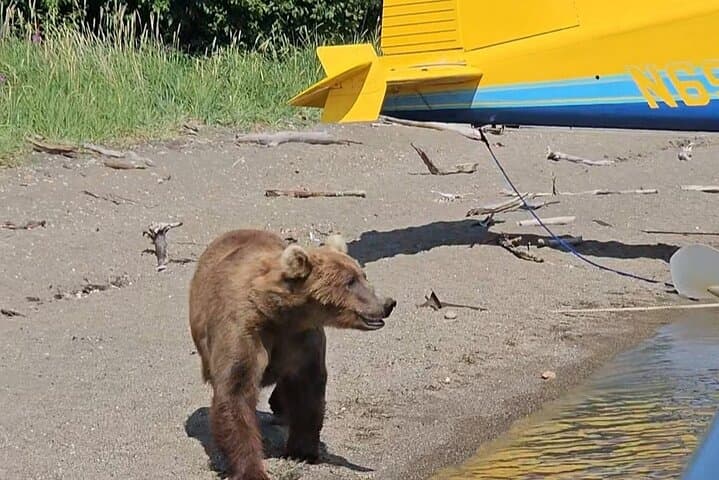
The propeller thumps, the floatplane lifts, and the inlet folds away beneath you—slate water, jagged spruce ridgelines, and the first glint of glacier ice in the distance. By the time the plane eases into the sheltered cove near Brooks Camp, your pulse has found the slower rhythm of the wild: a river that seems to pull the landscape toward itself and the steady, deliberate presence of brown bears on the salmon run.
The propeller thumps, the floatplane lifts, and the inlet folds away beneath you—slate water, jagged spruce ridgelines, and the first glint of glacier ice in the distance. By the time the plane eases into the sheltered cove near Brooks Camp, your pulse has found the slower rhythm of the wild: a river that seems to pull the landscape toward itself and the steady, deliberate presence of brown bears on the salmon run.
Brooks Falls is less a single image than a season-long event. From mid-summer, silver salmon choke the Brooks River and grizzlies position themselves like fishermen at a river bend, swatting and standing on hind legs to track leaping fish. The park’s volcanic past—remember Novarupta’s 1912 eruption and the Valley of Ten Thousand Smokes—still shapes the basin: pumice-strewn ridges, sudden cliffs and a plain that channels water and life in dramatic ways.
Native Alutiiq and Sugpiaq peoples have lived with these rhythms for millennia; Katmai was set aside for protection in the early 20th century after the volcanic upheaval and later expanded into the national park and preserve visitors know today. The result is a place where geology, culture and animal behavior are on public display and where management focuses on minimal disturbance: boardwalks, viewing platforms, and strict rules around food and distance help keep both bears and people safe.
This floatplane trip from Homer compresses remote wilderness into a single, focused day. Expect roughly six hours total—about three hours of flight time round trip and a multi-hour guided window on site to watch bears at and around Brooks Falls. Groups are intentionally small—max four guests—so sightings feel intimate rather than rushed. Guides prioritize safety, interpretation, and photography time, and you’ll likely stand on the viewing platforms as a scrawny salmon arcs through white water and a bear explodes from the current.
Practicalities matter here. Bring layered, waterproof clothing and sturdy footwear for wet boardwalks; pack snacks and water; leave fish or scented food at home; and respect the aircraft’s weight limits. The operator won’t allow bear spray on board and enforces a combined weight cap for safety and balance. Weather can change quickly—rain and wind shorten windows—so flexibility and a calm tolerance for remote logistics make the day far more enjoyable.
If you go with clear eyes and solid preparation, Brooks Falls rewards patience with uncompromising wildlife theater: the slap of a bear’s paw, the spray of a leaping salmon, and the slow, indifferent choreography of a landscape still settling from its volcanic youth.