THE ADVENTURE COLLECTIVE® · Independent discovery and booking for outdoor travel

Learn to make vegan soap with a hands-on melt-and-pour class in Brooklyn. This two-hour beginner workshop covers safe techniques, scent selection, and recipes you can reproduce at home.
Learn to make vegan soap with a hands-on melt-and-pour class in Brooklyn. This two-hour beginner workshop covers safe techniques, scent selection, and recipes you can reproduce at home.
Light falls through a studio window on a quiet Brooklyn block as scents of citrus and rosemary hang in the air; a countertop of clear molds and colored glycerin waits for the first pour. The workshop places you at a small table where tools are simple and the process is immediate: melt, scent, pour, and finish.
Verified experiences and guided adventures in the surrounding area.
Operated by NerdDNA Experiences · Brooklyn, New York
Light falls through a studio window on a quiet Brooklyn block as scents of citrus and rosemary hang in the air; a countertop of clear molds and colored glycerin waits for the first pour. The workshop places you at a small table where tools are simple and the process is immediate: melt, scent, pour, and finish.
Soapmaking stretches back millennia — Mesopotamia and Rome recorded early soap recipes — but the melt-and-pour method is a modern, low-risk adaptation that lets beginners focus on fragrance, color, and skin-friendly ingredients without lye handling. Brooklyn’s craft scene and maker spaces have embraced this approachable technique, turning reclaimed studios and industrial light into classrooms for small groups.
Geology may feel distant here, but the borough’s shoreline and glacial-era soils shaped local markets that once supplied fats and botanicals; today those markets feed fragrance choices, from citrus peels to dried lavender. The class sits within that cultural loop: urban foraging inspiration, ethical ingredient choices, and hands-on learning.
Expect two hours of guided practice: instructors demonstrate melt temperature control, additive timing, and simple design tricks. You’ll make at least one batch to take home along with recipes and supplier recommendations. Plan for tactile work — avoid loose jewelry, tie long hair, and be ready to rinse a spill.
Practical tips: arrive with questions about scents and skin sensitivities, bring a small container for finished bars, and allow cooling time before leaving. Whether you want a sustainable swap for store soap or a new hobby, this workshop gives practical foundations, supplier leads, and a straightforward path from first melt to finished bar.
easy.
2 hours.
Minimal physical exertion; fine motor skills and ability to stand or sit for two hours are sufficient
No — melt-and-pour is designed for beginners; the instructor guides each step and provides recipes and supplier information.
Yes — base glycerin, colorants, common fragrances, and basic molds are provided; check with the host if you want specific essential oils supplied.
Policies vary; classes are generally suitable for teens with supervision but check age restrictions with the provider before booking.
Melt-and-pour soaps harden quickly but may benefit from 24 hours of curing; they are safe to use soon after cooling but handle gently until fully set.
Soapmaking has roots in ancient urban centers; modern Brooklyn’s maker movement repurposes industrial spaces for hands-on craft education.
Choose certified plant-based oils and avoid microplastic glitter; small-batch soap reduces packaging waste and supports local suppliers.
NerdDNA Experiences operates guided outdoor trips and adventures with an emphasis on safety, stewardship, and memorable experiences.
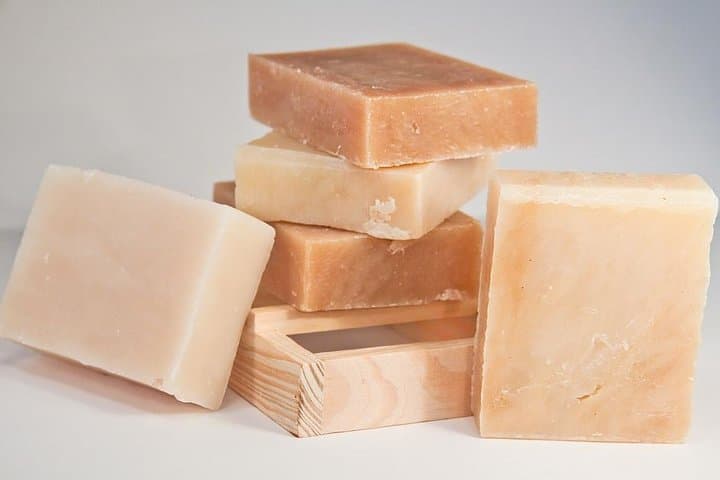
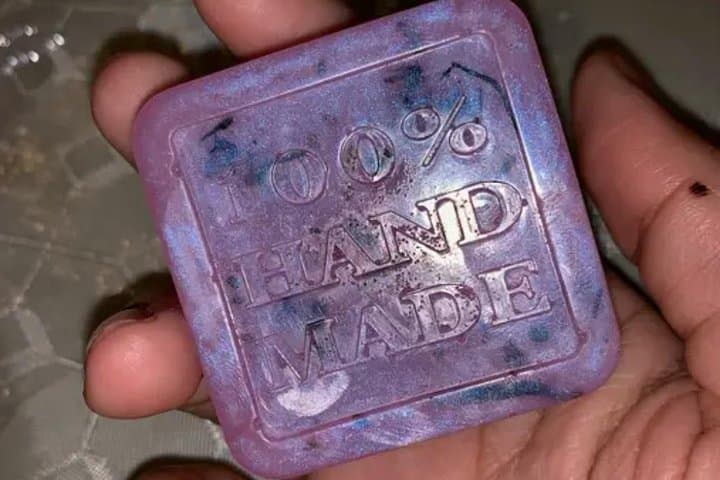
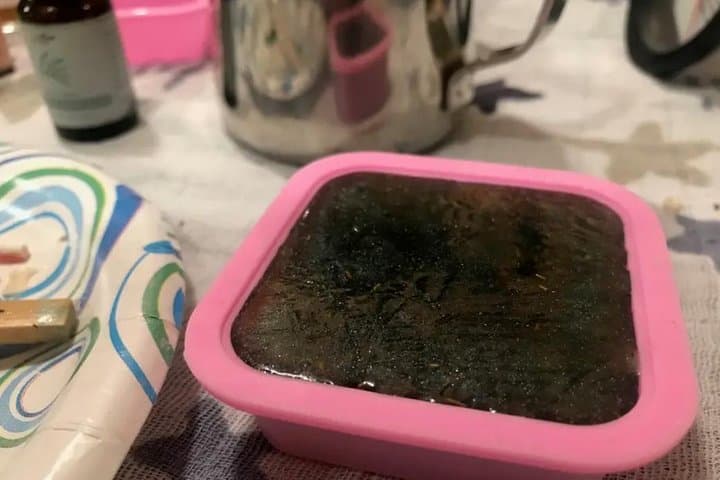
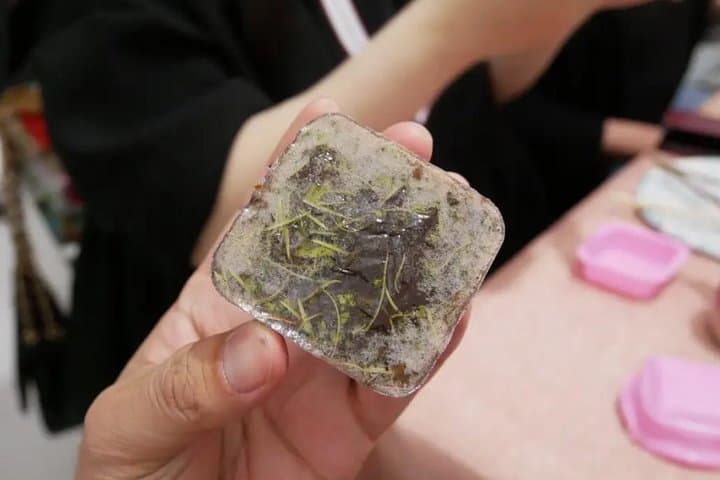
Light falls through a studio window on a quiet Brooklyn block as scents of citrus and rosemary hang in the air; a countertop of clear molds and colored glycerin waits for the first pour. The workshop places you at a small table where tools are simple and the process is immediate: melt, scent, pour, and finish.
Light falls through a studio window on a quiet Brooklyn block as scents of citrus and rosemary hang in the air; a countertop of clear molds and colored glycerin waits for the first pour. The workshop places you at a small table where tools are simple and the process is immediate: melt, scent, pour, and finish.
Soapmaking stretches back millennia — Mesopotamia and Rome recorded early soap recipes — but the melt-and-pour method is a modern, low-risk adaptation that lets beginners focus on fragrance, color, and skin-friendly ingredients without lye handling. Brooklyn’s craft scene and maker spaces have embraced this approachable technique, turning reclaimed studios and industrial light into classrooms for small groups.
Geology may feel distant here, but the borough’s shoreline and glacial-era soils shaped local markets that once supplied fats and botanicals; today those markets feed fragrance choices, from citrus peels to dried lavender. The class sits within that cultural loop: urban foraging inspiration, ethical ingredient choices, and hands-on learning.
Expect two hours of guided practice: instructors demonstrate melt temperature control, additive timing, and simple design tricks. You’ll make at least one batch to take home along with recipes and supplier recommendations. Plan for tactile work — avoid loose jewelry, tie long hair, and be ready to rinse a spill.
Practical tips: arrive with questions about scents and skin sensitivities, bring a small container for finished bars, and allow cooling time before leaving. Whether you want a sustainable swap for store soap or a new hobby, this workshop gives practical foundations, supplier leads, and a straightforward path from first melt to finished bar.