THE ADVENTURE COLLECTIVE® · Independent discovery and booking for outdoor travel

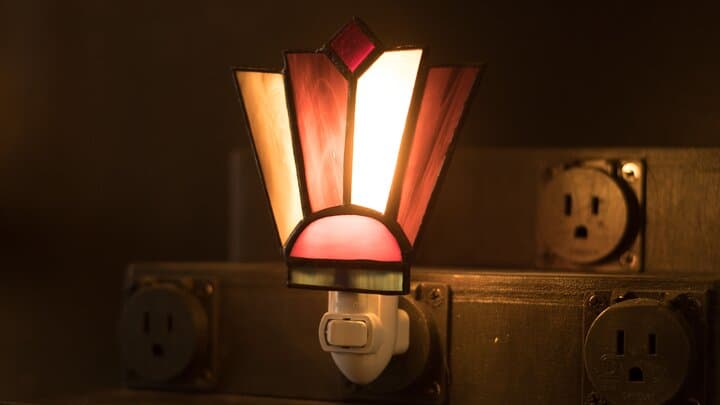
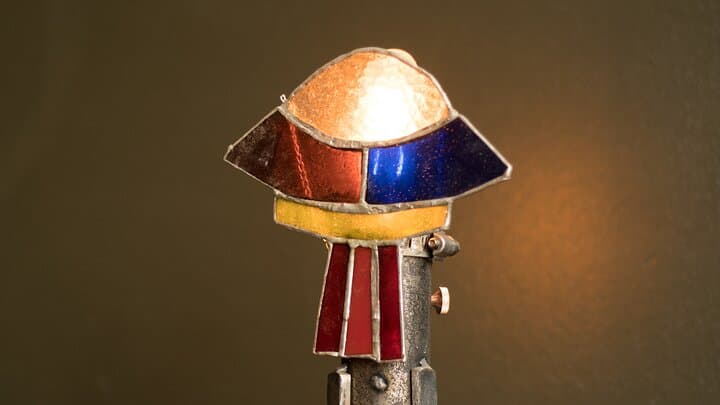
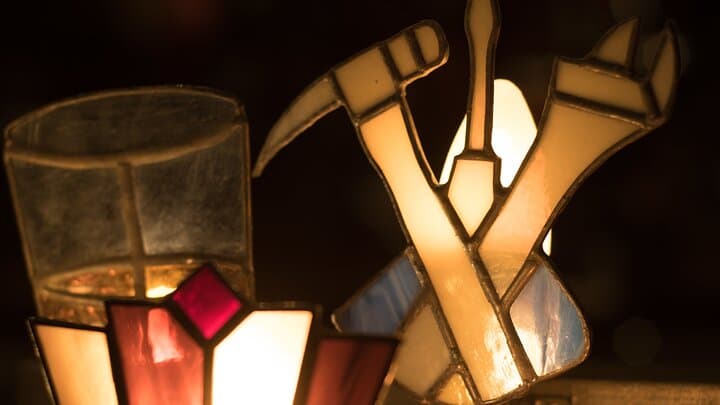
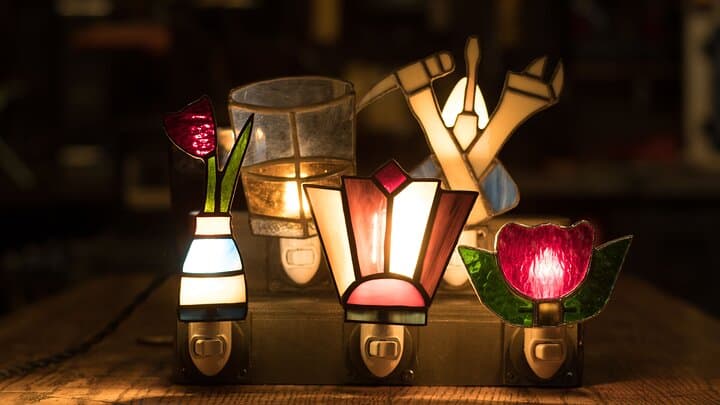
Spend four hands-on hours on Craftsman Ave crafting a stained-glass nightlight from sketch to soldered finish. Small classes and full material support make this an accessible way to learn glass techniques and leave with a glowing keepsake.
Spend four hands-on hours on Craftsman Ave crafting a stained-glass nightlight from sketch to soldered finish. Small classes and full material support make this an accessible way to learn glass techniques and leave with a glowing keepsake.
You step into a bright studio on Craftsman Ave, where racks of colored glass catch the light like small maps. The smell of flux and the soft hum of tools set a focused rhythm; instructors move between worktables, offering guided hands-on corrections as you trace and cut your design.
Verified experiences and guided adventures in the surrounding area.
Operated by Craftsman Ave · Brooklyn, New York
You step into a bright studio on Craftsman Ave, where racks of colored glass catch the light like small maps. The smell of flux and the soft hum of tools set a focused rhythm; instructors move between worktables, offering guided hands-on corrections as you trace and cut your design.
Stained glass dates back to medieval cathedral windows, but the craft's fundamentals come from much older glassmaking techniques — silica fused with metal oxides to produce vivid color. Modern workshops here teach the copper-foil method popularized by Tiffany as well as safe soldering and finishing. Brooklyn's maker scene gives the class a practical, community-driven tone: expect approachable instruction, small groups (8–10), and an emphasis on craft safety.
In four focused hours you will design, cut, grind, foil, and solder a nightlight-sized piece and leave with a finished lamp, the studio providing all materials and protective gear. Practical notes: arrive with a clear sketch or reference photo if you have a design in mind; wear closed-toe shoes and a sleeve that covers wrists to protect from shards and solder splatter. The workshop is wheelchair-accessible and suitable for beginners — no prior experience required, though steady hands and patience help.
Plan transit time — the studio is reachable by subway and bus — and allow an extra 15–20 minutes for set-up and a final inspection by the instructor before packing your piece for travel. Bring a phone or camera for progress shots, and expect to carry home a solid, boxed nightlight that glows with the colors you chose.
easy.
4 hours.
No special fitness required; participants should be able to stand or sit and use hand tools for several hours.
No — the workshop is designed for beginners. Instructors teach safety, cutting, foiling and soldering over the 4-hour session.
Ages vary by studio policy; many sessions are suitable for teens accompanied by adults, and the booking asks for age range and special requirements.
Yes — the listing notes wheelchair accessibility and accessible surfaces; contact the studio ahead of time for specific accommodations.
Full refund available if you cancel at least 24 hours before the scheduled start time; within 24 hours refunds are not typically provided.
Stained glass evolved from ancient glassmaking and became prominent in European churches; modern studios use copper-foil techniques popularized in the late 19th century and adapt them for small-format projects.
Studios often recycle glass offcuts and follow lead-safe soldering practices; ask about recycling and material sourcing to reduce waste.
Craftsman Ave operates guided outdoor trips and adventures with an emphasis on safety, stewardship, and memorable experiences.
You step into a bright studio on Craftsman Ave, where racks of colored glass catch the light like small maps. The smell of flux and the soft hum of tools set a focused rhythm; instructors move between worktables, offering guided hands-on corrections as you trace and cut your design.
You step into a bright studio on Craftsman Ave, where racks of colored glass catch the light like small maps. The smell of flux and the soft hum of tools set a focused rhythm; instructors move between worktables, offering guided hands-on corrections as you trace and cut your design.
Stained glass dates back to medieval cathedral windows, but the craft's fundamentals come from much older glassmaking techniques — silica fused with metal oxides to produce vivid color. Modern workshops here teach the copper-foil method popularized by Tiffany as well as safe soldering and finishing. Brooklyn's maker scene gives the class a practical, community-driven tone: expect approachable instruction, small groups (8–10), and an emphasis on craft safety.
In four focused hours you will design, cut, grind, foil, and solder a nightlight-sized piece and leave with a finished lamp, the studio providing all materials and protective gear. Practical notes: arrive with a clear sketch or reference photo if you have a design in mind; wear closed-toe shoes and a sleeve that covers wrists to protect from shards and solder splatter. The workshop is wheelchair-accessible and suitable for beginners — no prior experience required, though steady hands and patience help.
Plan transit time — the studio is reachable by subway and bus — and allow an extra 15–20 minutes for set-up and a final inspection by the instructor before packing your piece for travel. Bring a phone or camera for progress shots, and expect to carry home a solid, boxed nightlight that glows with the colors you chose.