THE ADVENTURE COLLECTIVE® · Independent discovery and booking for outdoor travel

Build your own LED “neon” sign in a compact Brooklyn studio while learning why LEDs are a greener alternative to glass neon. This hands-on, beginner-friendly party combines design, instruction, and an energy-efficiency discussion—and you leave with a finished sign.
Build your own LED “neon” sign in a compact Brooklyn studio while learning why LEDs are a greener alternative to glass neon. This hands-on, beginner-friendly party combines design, instruction, and an energy-efficiency discussion—and you leave with a finished sign.
You push through a steel door into a studio that smells faintly of wood glue and warm LEDs. Light rigs hum; a circle of worktables waits under filament-style fixtures. Across the room, reclaimed wood blanks—mostly 10×10 to 12×12 inches—sit ready with stencils, colored acrylic tubing, and strips of LED “neon” that bend and snap into letters. The mood is social: music, snacks, and people shaping glowing phrases to take home.
Verified experiences and guided adventures in the surrounding area.
Operated by NerdDNA Experiences · Brooklyn, NY
You push through a steel door into a studio that smells faintly of wood glue and warm LEDs. Light rigs hum; a circle of worktables waits under filament-style fixtures. Across the room, reclaimed wood blanks—mostly 10×10 to 12×12 inches—sit ready with stencils, colored acrylic tubing, and strips of LED “neon” that bend and snap into letters. The mood is social: music, snacks, and people shaping glowing phrases to take home.
Neon signs began as hand-blown glass tubes in early 20th-century storefronts. This class trades fragile glass and high voltage for low-heat, energy-efficient LED alternatives that echo neon’s visual impact without the hazards. Locally, Brooklyn’s maker scene has pivoted from heavy industry to light craft, converting warehouse spaces into studios where sustainability and design meet.
Expect a hands-on beginner session: an intro to LED “neon” materials, simple wiring, mounting on wood, and an energy-efficiency talk about why LEDs reduce consumption compared with incandescent or glass neon. The instructor guides layout, cutting, and installation—no soldering experience required—and students leave with a finished sign the same day.
Practical tips: arrive promptly (class enforces a 30-minute late cutoff), wear closed-toe shoes, and bring a small tote for your sign. Public transit serves most Brooklyn studios, and the intimate group size keeps instruction personal. The activity is accessible to most ages—infants are required to sit on laps—but note all materials are included and sales are final. For anyone curious about craft, design, or greener lighting, this workshop is an efficient, creative evening that pairs hands-on making with clear, useful context about LEDs and energy savings.
easy.
3 hours.
No special fitness required—fine motor dexterity and patience are the main needs
Yes — the workshop is designed so you complete and take home your LED sign at the end of the session.
Suitable for beginners; the class is family-friendly but infants must sit on an adult’s lap and supervision for minors is required.
All materials are provided, including wood blanks, LED tubing, mounting hardware, and basic tools.
There’s a strict late policy (no more than 30 minutes) and all sales are final—no refunds for cancellations.
Neon signage rose in the early 1900s with hand-blown glass tubes; today’s LED alternatives replicate the aesthetic while cutting energy use, a shift visible in Brooklyn’s repurposed industrial studios.
The workshop emphasizes energy-efficient LEDs and recycled or reclaimed wood options where possible, encouraging lower waste production and longer-lasting finished pieces.
NerdDNA Experiences operates guided outdoor trips and adventures with an emphasis on safety, stewardship, and memorable experiences.
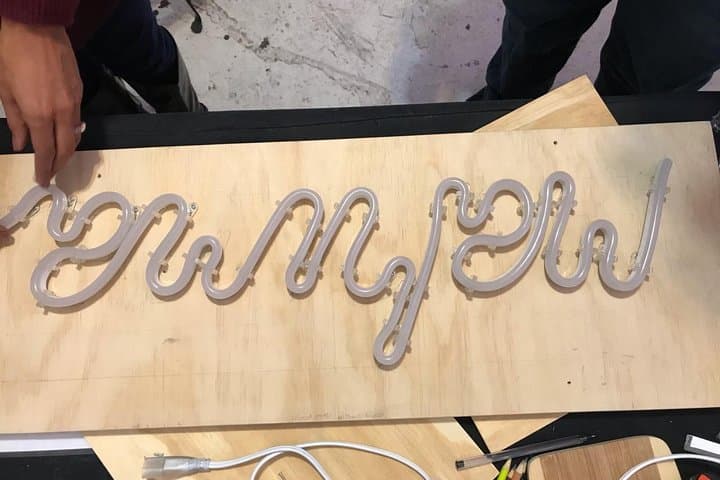
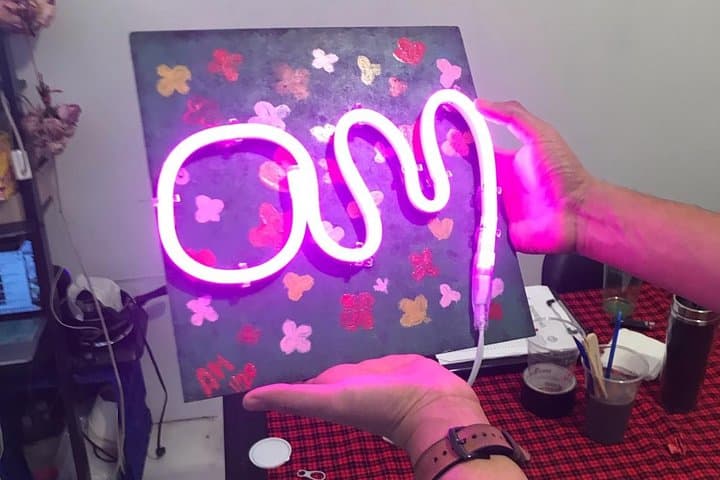
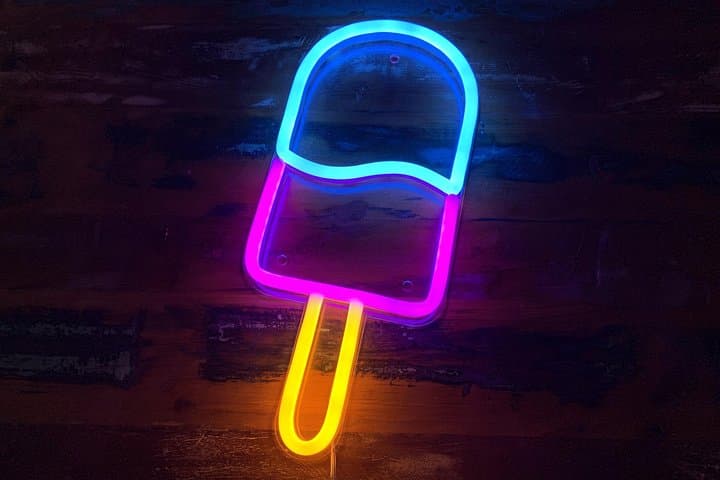
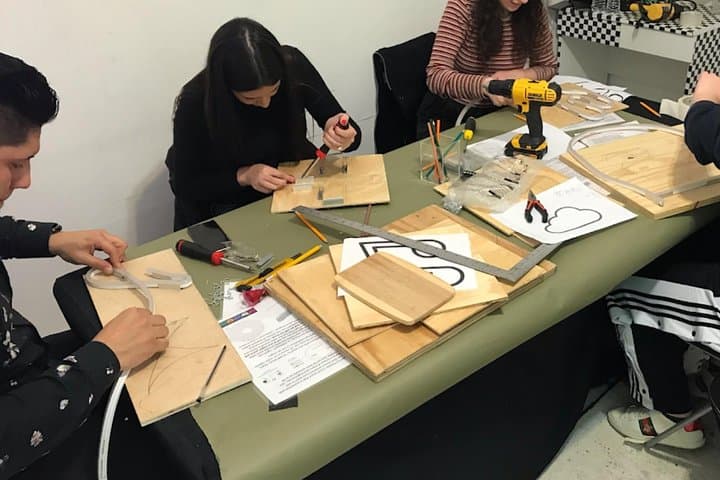
You push through a steel door into a studio that smells faintly of wood glue and warm LEDs. Light rigs hum; a circle of worktables waits under filament-style fixtures. Across the room, reclaimed wood blanks—mostly 10×10 to 12×12 inches—sit ready with stencils, colored acrylic tubing, and strips of LED “neon” that bend and snap into letters. The mood is social: music, snacks, and people shaping glowing phrases to take home.
You push through a steel door into a studio that smells faintly of wood glue and warm LEDs. Light rigs hum; a circle of worktables waits under filament-style fixtures. Across the room, reclaimed wood blanks—mostly 10×10 to 12×12 inches—sit ready with stencils, colored acrylic tubing, and strips of LED “neon” that bend and snap into letters. The mood is social: music, snacks, and people shaping glowing phrases to take home.
Neon signs began as hand-blown glass tubes in early 20th-century storefronts. This class trades fragile glass and high voltage for low-heat, energy-efficient LED alternatives that echo neon’s visual impact without the hazards. Locally, Brooklyn’s maker scene has pivoted from heavy industry to light craft, converting warehouse spaces into studios where sustainability and design meet.
Expect a hands-on beginner session: an intro to LED “neon” materials, simple wiring, mounting on wood, and an energy-efficiency talk about why LEDs reduce consumption compared with incandescent or glass neon. The instructor guides layout, cutting, and installation—no soldering experience required—and students leave with a finished sign the same day.
Practical tips: arrive promptly (class enforces a 30-minute late cutoff), wear closed-toe shoes, and bring a small tote for your sign. Public transit serves most Brooklyn studios, and the intimate group size keeps instruction personal. The activity is accessible to most ages—infants are required to sit on laps—but note all materials are included and sales are final. For anyone curious about craft, design, or greener lighting, this workshop is an efficient, creative evening that pairs hands-on making with clear, useful context about LEDs and energy savings.