THE ADVENTURE COLLECTIVE® · Independent discovery and booking for outdoor travel

Walk the promenade and side streets of Brooklyn Heights on a self-guided route that pairs sweeping Manhattan views with Gilded Age drama. Start at Plymouth Church and trace the neighborhood’s abolitionist history, architectural highlights, and small cultural stops at your own pace.
Walk the promenade and side streets of Brooklyn Heights on a self-guided route that pairs sweeping Manhattan views with Gilded Age drama. Start at Plymouth Church and trace the neighborhood’s abolitionist history, architectural highlights, and small cultural stops at your own pace.
Stand on the Brooklyn Heights Promenade as the city wakes and Manhattan unspools across the East River — taxi horns fade, morning light slides over the bridge wires, and the brownstones opposite seem to hold their breath.
Verified experiences and guided adventures in the surrounding area.
Operated by VoiceMap Audio Tours · Brooklyn, New York
Stand on the Brooklyn Heights Promenade as the city wakes and Manhattan unspools across the East River — taxi horns fade, morning light slides over the bridge wires, and the brownstones opposite seem to hold their breath.
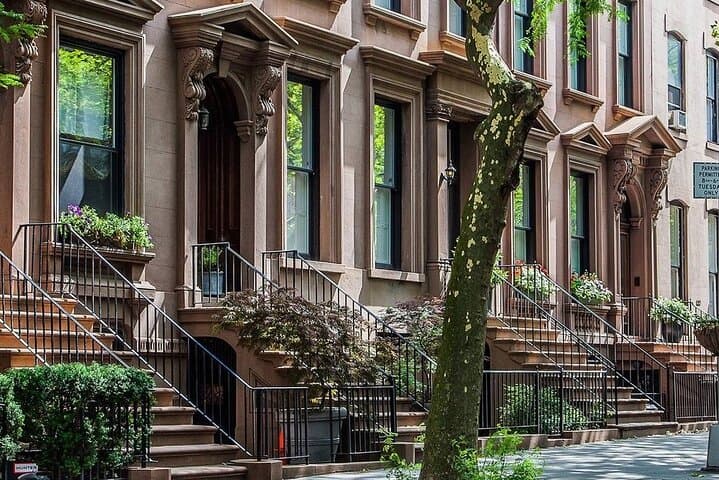
This self-guided walk begins outside Plymouth Church, once called the “Grand Central Depot of the Underground Railroad.” The route threads quiet residential streets and a promenade-ledge carved from glacial bluffs and hard bedrock, where 19th‑century bankers built townhouse facades that still read like pages of Gilded Age politics. You’ll pass Gothic and Romanesque churches, Queen Anne rowhouses, the original Haagen‑Dazs storefront and the spots tied to Henry Ward Beecher’s reform work — and his scandalous adultery trial that riveted a young nation.
Brooklyn Heights’ geology is subtle: the neighborhood sits atop raised harbor bluffs and glacial till, which gave builders a stable platform for its narrow streets. Culturally, the Heights has long balanced commerce and conscience — abolitionists, writers and artists lived here, and local institutions preserved the neighborhood through early landmark protections.
Practical guidance: start at Plymouth Church (Clark/High St station nearby), follow the promenade for skyline views, then wander Montague and Pineapple Street to see brownstones and small museums. Wear comfortable shoes for paved sidewalks, bring a reusable water bottle, and download the tour app for offline maps. Visit early morning or late afternoon to avoid crowds; stay on public sidewalks and respect residential privacy. This walk is accessible and low‑impact — an urban hike where history pushes you forward as insistently as the river breeze.
easy.
2–2.5 hours.
Suitable for most people who can walk on paved city streets for a couple hours; minimal elevation changes.
Expect about 2 to 2.5 hours at a moderate pace if you stop for photos and a short coffee break.
Most streets, the Promenade and principal sidewalks are wheelchair accessible, but some brownstone approaches and side streets have steps; the tour notes accessibility details.
The app provides offline audio, maps, and geodata that enrich the experience, but you can also follow mapped routes and signage without audio.
Yes — sidewalks and the Promenade accommodate strollers and leashed dogs, but be mindful of narrow spots and resident courtyards.
Brooklyn Heights became New York City’s first historic district in 1965; its Promenade and brownstones reflect 19th‑century urban expansion and abolitionist activity centered at Plymouth Church.
Landmark protections and active neighborhood groups have preserved facades and the promenade; minimize impact by staying on sidewalks, packing out trash, and keeping noise low.
VoiceMap Audio Tours operates guided outdoor trips and adventures with an emphasis on safety, stewardship, and memorable experiences.

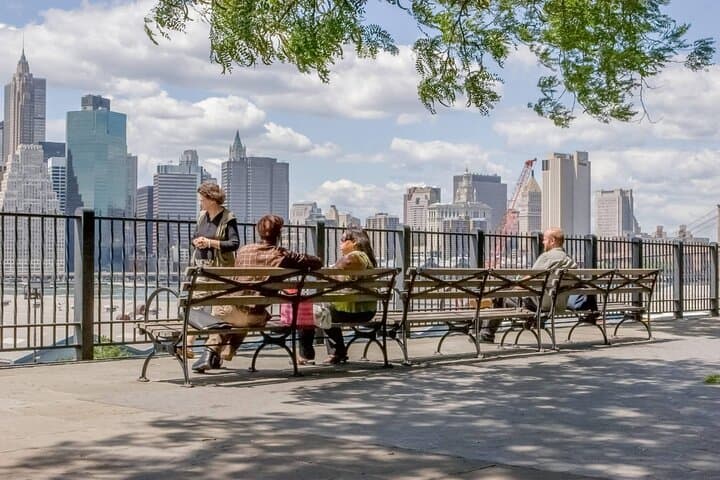
Stand on the Brooklyn Heights Promenade as the city wakes and Manhattan unspools across the East River — taxi horns fade, morning light slides over the bridge wires, and the brownstones opposite seem to hold their breath.
Stand on the Brooklyn Heights Promenade as the city wakes and Manhattan unspools across the East River — taxi horns fade, morning light slides over the bridge wires, and the brownstones opposite seem to hold their breath.
This self-guided walk begins outside Plymouth Church, once called the “Grand Central Depot of the Underground Railroad.” The route threads quiet residential streets and a promenade-ledge carved from glacial bluffs and hard bedrock, where 19th‑century bankers built townhouse facades that still read like pages of Gilded Age politics. You’ll pass Gothic and Romanesque churches, Queen Anne rowhouses, the original Haagen‑Dazs storefront and the spots tied to Henry Ward Beecher’s reform work — and his scandalous adultery trial that riveted a young nation.
Brooklyn Heights’ geology is subtle: the neighborhood sits atop raised harbor bluffs and glacial till, which gave builders a stable platform for its narrow streets. Culturally, the Heights has long balanced commerce and conscience — abolitionists, writers and artists lived here, and local institutions preserved the neighborhood through early landmark protections.
Practical guidance: start at Plymouth Church (Clark/High St station nearby), follow the promenade for skyline views, then wander Montague and Pineapple Street to see brownstones and small museums. Wear comfortable shoes for paved sidewalks, bring a reusable water bottle, and download the tour app for offline maps. Visit early morning or late afternoon to avoid crowds; stay on public sidewalks and respect residential privacy. This walk is accessible and low‑impact — an urban hike where history pushes you forward as insistently as the river breeze.