THE ADVENTURE COLLECTIVE® · Independent discovery and booking for outdoor travel

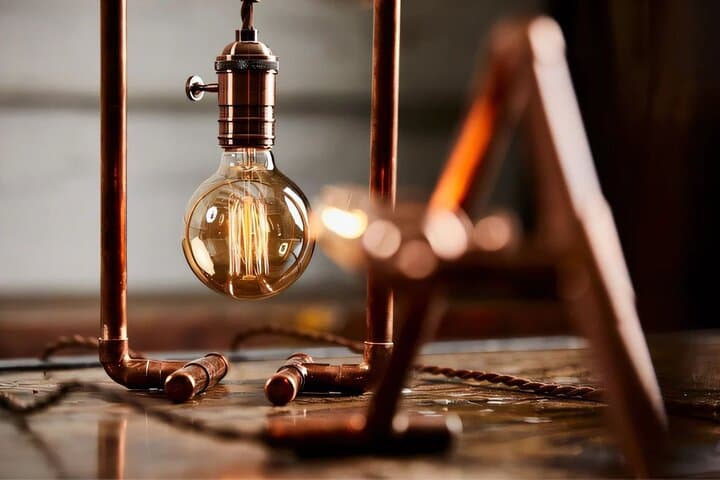
Spend four hours in a Brooklyn maker studio crafting a working copper pipe lamp. This beginner-friendly workshop teaches measuring, soldering, and basic wiring so you walk away with a custom Edison-style lamp.
Spend four hours in a Brooklyn maker studio crafting a working copper pipe lamp. This beginner-friendly workshop teaches measuring, soldering, and basic wiring so you walk away with a custom Edison-style lamp.
You step through a heavy studio door off a tree-lined Brooklyn block and the city’s din pools into the backbeat of a maker space: metal clinks, a torch hissing, someone sketching a base. Benches are threaded with copper pipe, bulbs waiting like small moons, and the air smells faintly of flux and warm metal. The instructor walks you through a quick safety demo, then hands you a length of copper and the blueprint of possibilities.
Verified experiences and guided adventures in the surrounding area.
Operated by Craftsman Ave · Brooklyn, New York
You step through a heavy studio door off a tree-lined Brooklyn block and the city’s din pools into the backbeat of a maker space: metal clinks, a torch hissing, someone sketching a base. Benches are threaded with copper pipe, bulbs waiting like small moons, and the air smells faintly of flux and warm metal. The instructor walks you through a quick safety demo, then hands you a length of copper and the blueprint of possibilities.
Brooklyn’s maker culture grew from its industrial past—warehouses turned studios, machinists sharing tool knowledge with designers and DIYers. Copper itself carries an older story: a durable, heat-friendly material used in plumbing and shipbuilding, now reclaimed by artists and tinkerers. This class sits at that intersection of craft and urban history: a short, hands-on arc from sketch to functioning lamp that reflects the borough’s practical creativity.
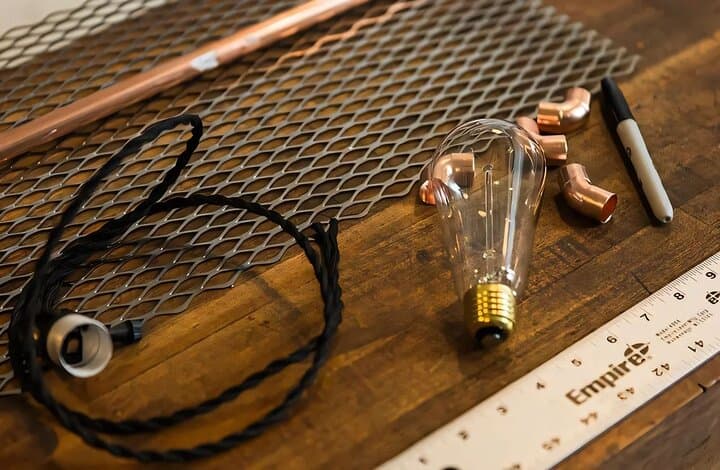
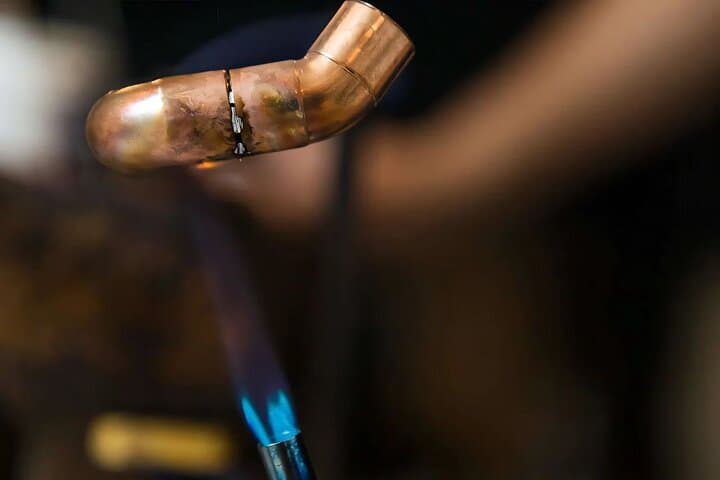
Expect four hours of guided work: measuring and cutting pipe, dry-fitting your design, and learning basic soldering to seal joints. You’ll use provided PPE and tools; instructors demonstrate torch control and electrical basics for wiring a socket safely. The pace is deliberate—enough time to iterate without feeling rushed.
Practical tips: wear closed-toe shoes and cotton clothing (no synthetics near torches), arrive on public transit, and plan for photos—finished pieces make excellent gifts. The class is beginner-friendly, accessible, and rewarding for anyone curious about metalwork and home lighting design.
easy.
4 hours.
Minimal—suitable for all fitness levels; requires standing and light manual work
No—this is a beginner-level workshop and instructors teach the soldering and fitting fundamentals step by step.
Yes; the studio reports wheelchair access and accessible surfaces, but contact the operator for specific accommodations before booking.
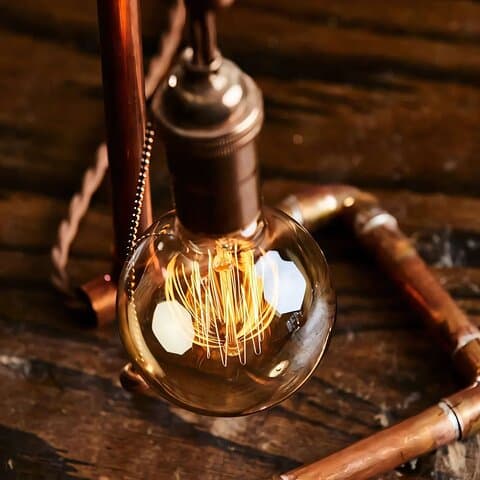
You leave with a functional copper lamp you designed and built, including the wired socket and recommended care instructions.
Yes; the class includes all copper, fittings, tools, and PPE such as goggles and gloves.
Brooklyn’s shift from industrial waterfront to creative manufacturing created a strong DIY and maker scene, converting warehouses into shared studios and craft schools.
Choose to reuse offcuts and return scrap copper for recycling; studios often encourage low-VOC solders and proper ventilation to minimize fumes.
Craftsman Ave operates guided outdoor trips and adventures with an emphasis on safety, stewardship, and memorable experiences.
You step through a heavy studio door off a tree-lined Brooklyn block and the city’s din pools into the backbeat of a maker space: metal clinks, a torch hissing, someone sketching a base. Benches are threaded with copper pipe, bulbs waiting like small moons, and the air smells faintly of flux and warm metal. The instructor walks you through a quick safety demo, then hands you a length of copper and the blueprint of possibilities.
You step through a heavy studio door off a tree-lined Brooklyn block and the city’s din pools into the backbeat of a maker space: metal clinks, a torch hissing, someone sketching a base. Benches are threaded with copper pipe, bulbs waiting like small moons, and the air smells faintly of flux and warm metal. The instructor walks you through a quick safety demo, then hands you a length of copper and the blueprint of possibilities.
Brooklyn’s maker culture grew from its industrial past—warehouses turned studios, machinists sharing tool knowledge with designers and DIYers. Copper itself carries an older story: a durable, heat-friendly material used in plumbing and shipbuilding, now reclaimed by artists and tinkerers. This class sits at that intersection of craft and urban history: a short, hands-on arc from sketch to functioning lamp that reflects the borough’s practical creativity.
Expect four hours of guided work: measuring and cutting pipe, dry-fitting your design, and learning basic soldering to seal joints. You’ll use provided PPE and tools; instructors demonstrate torch control and electrical basics for wiring a socket safely. The pace is deliberate—enough time to iterate without feeling rushed.
Practical tips: wear closed-toe shoes and cotton clothing (no synthetics near torches), arrive on public transit, and plan for photos—finished pieces make excellent gifts. The class is beginner-friendly, accessible, and rewarding for anyone curious about metalwork and home lighting design.