THE ADVENTURE COLLECTIVE® · Independent discovery and booking for outdoor travel

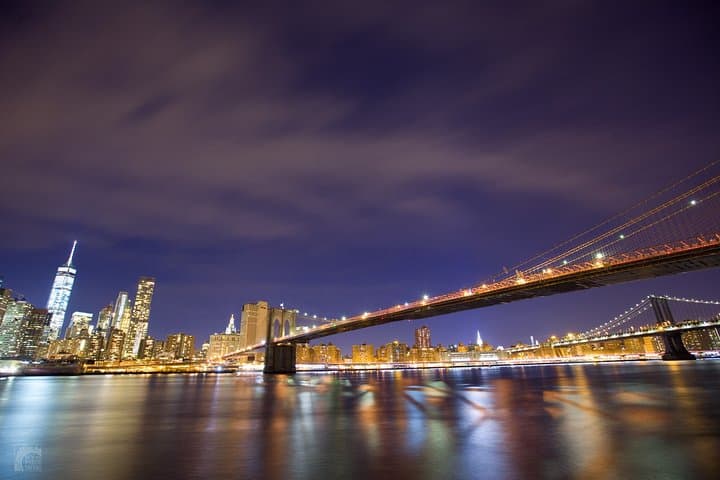
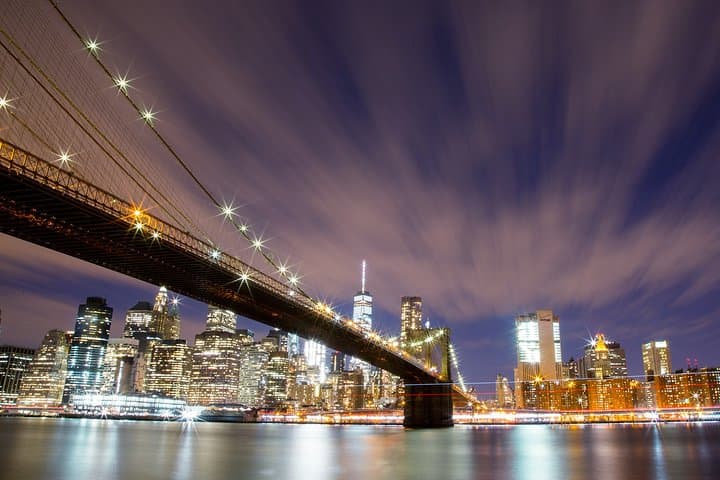
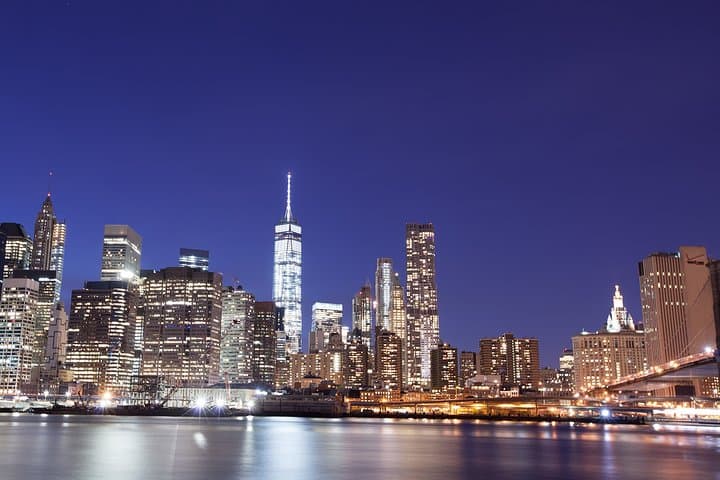
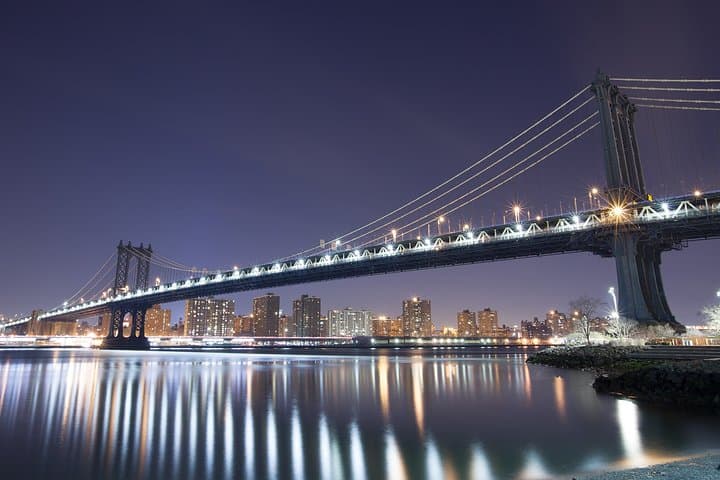
Walk the bridge after dark with an expert photographer to capture long-exposure shots of the Manhattan skyline, Gothic towers and cable patterns. This 90-minute tour teaches composition and night techniques while navigating a lively, well-lit urban landmark.
Walk the bridge after dark with an expert photographer to capture long-exposure shots of the Manhattan skyline, Gothic towers and cable patterns. This 90-minute tour teaches composition and night techniques while navigating a lively, well-lit urban landmark.
Under the yellow pools of streetlight, the Brooklyn Bridge walkway hums—a steady procession of commuters, late-night joggers and the occasional saxophone—while the East River dares you to look down and hold still long enough to catch its reflections.
Verified experiences and guided adventures in the surrounding area.
Operated by New York City Photo Safari · New York, New York
Under the yellow pools of streetlight, the Brooklyn Bridge walkway hums—a steady procession of commuters, late-night joggers and the occasional saxophone—while the East River dares you to look down and hold still long enough to catch its reflections.
On this 90-minute night photography tour an experienced photographer guides you across the bridge, stopping at vantage points to compose shots of the Gothic granite towers, the fan of suspension cables and the Manhattan skyline glowing with office lights and spires. Opened in 1883 and engineered by John A. Roebling and his family, the bridge was one of the first major steel-wire suspension spans and still reads like a chapter of New York infrastructure history in stone and iron.
The route uses the raised pedestrian promenade with wooden planks and gentle inclines; expect even terrain but frequent foot traffic and occasional cyclists below. Geology—Manhattan bedrock where the anchoring caissons bite—gives the bridge its permanence, while nearby Dumbo and Brooklyn Bridge Park provide cultural context: waterfront piers, carousel lights and ferry routes that add foreground motion to long exposures.
Practical guidance: plan to shoot during blue hour into night, bring a sturdy tripod and remote shutter, and pack spare batteries and cards for long exposures. Dress in layers; wind off the river can cut through jackets. Be mindful of other pedestrians—set up to the side, quickly make exposures, and keep camera straps secured. With preparation you’ll leave with taut skyline frames and sharper low-light technique.
easy.
1.5 hours.
Light walking on a paved promenade; suitable for most fitness levels with no steep climbs.
Yes—tripods are permitted, but you should set up to the side of the promenade and avoid blocking pedestrian traffic.
The tour meets at the Manhattan entrance to the Brooklyn Bridge (near Park Row/City Hall); the exact meeting point is provided by the operator.
The bridge promenade and meeting points are wheelchair accessible, but confirm specifics with the operator when booking to ensure convenience.
Full refunds are available if you cancel at least 24 hours before departure; tours may be canceled for bad weather.
The Brooklyn Bridge opened in 1883 after years of engineering innovation by the Roebling family and helped knit Manhattan and Brooklyn into a single city.
Heavy foot traffic and light pollution impact the riverfront—pack out all gear and avoid obstructing paths; use respectful lighting practices to minimize glare.
New York City Photo Safari operates guided outdoor trips and adventures with an emphasis on safety, stewardship, and memorable experiences.
Under the yellow pools of streetlight, the Brooklyn Bridge walkway hums—a steady procession of commuters, late-night joggers and the occasional saxophone—while the East River dares you to look down and hold still long enough to catch its reflections.
Under the yellow pools of streetlight, the Brooklyn Bridge walkway hums—a steady procession of commuters, late-night joggers and the occasional saxophone—while the East River dares you to look down and hold still long enough to catch its reflections.
On this 90-minute night photography tour an experienced photographer guides you across the bridge, stopping at vantage points to compose shots of the Gothic granite towers, the fan of suspension cables and the Manhattan skyline glowing with office lights and spires. Opened in 1883 and engineered by John A. Roebling and his family, the bridge was one of the first major steel-wire suspension spans and still reads like a chapter of New York infrastructure history in stone and iron.
The route uses the raised pedestrian promenade with wooden planks and gentle inclines; expect even terrain but frequent foot traffic and occasional cyclists below. Geology—Manhattan bedrock where the anchoring caissons bite—gives the bridge its permanence, while nearby Dumbo and Brooklyn Bridge Park provide cultural context: waterfront piers, carousel lights and ferry routes that add foreground motion to long exposures.
Practical guidance: plan to shoot during blue hour into night, bring a sturdy tripod and remote shutter, and pack spare batteries and cards for long exposures. Dress in layers; wind off the river can cut through jackets. Be mindful of other pedestrians—set up to the side, quickly make exposures, and keep camera straps secured. With preparation you’ll leave with taut skyline frames and sharper low-light technique.