THE ADVENTURE COLLECTIVE® · Independent discovery and booking for outdoor travel

Watch sunrise over Mount Bromo’s caldera then trek through the night to Ijen’s electric blue fire on this two-day guided tour from Malang. Expect volcanic sand, steep crater rims, and close-up cultural moments with Tengger and sulfur-mining communities.
Watch sunrise over Mount Bromo’s caldera then trek through the night to Ijen’s electric blue fire on this two-day guided tour from Malang. Expect volcanic sand, steep crater rims, and close-up cultural moments with Tengger and sulfur-mining communities.
You arrive before dawn with the jeep grinding over black sand, headlights cutting low through a cool, mineral-scented air. At the Bromo sunrise viewpoint the sea of sand and hulking cones sit like sleeping giants; the sun slides up and the caldera’s ridgelines sharpen into stiff, wind-swept silhouettes.
Verified experiences and guided adventures in the surrounding area.
Operated by Smartway Indonesia Tours · Malang, East Java
You arrive before dawn with the jeep grinding over black sand, headlights cutting low through a cool, mineral-scented air. At the Bromo sunrise viewpoint the sea of sand and hulking cones sit like sleeping giants; the sun slides up and the caldera’s ridgelines sharpen into stiff, wind-swept silhouettes.
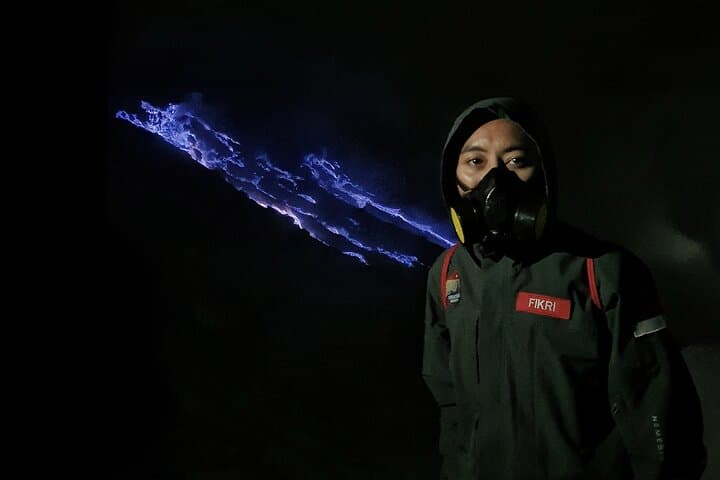
Bromo and Ijen sit on Java’s volcanic backbone. Bromo’s broad caldera is the work of repeated eruptions and collapse, while Ijen’s steep crater contains an acidic turquoise lake fed by fumaroles and sulfur veins. The Tengger people maintain Pura Luhur Poten on Bromo’s rim — a living cultural anchor where Hindu rituals continue amid volcanic rock. At Ijen you’ll see blue fire at night: sulfur gases ignite at high temperature and burn with an eerie electric flame, a phenomenon tied to the chemistry of the crater rather than myth.
Expect two distinct hikes: a short, sandy ascent and stair climb at Bromo, and a steeper, 2–3 hour night trek at Ijen with loose gravel and switchbacks. You’ll pass miners carrying sulfur loads in woven baskets; observe with respect and keep distance. Weather shifts fast — wind and rain can make sand and trail sections slippery.
Practical guidance: organize pickup from Malang, carry cash for ferry or small purchases, and pack a respirator or filter mask for Ijen’s sulfur fumes. Bring a headlamp with fresh batteries, sturdy shoes for volcanic sand, and warm layers for the pre-dawn cold. Start early, move deliberately on steep sections, and follow your guide’s safety briefings — volcanic terrain rewards caution.
moderate.
30–36 hours.
Moderate fitness: able to hike 2–3 hours on uneven volcanic sand and climb stairs or steep switchbacks, including a night trek.
Bromo’s walk across the sand and up crater steps is short but can be steep; Ijen requires a 2–3 hour uphill night trek on loose trail—both suit moderately fit travelers.
Blue fire depends on volcanic gas emission and visibility; many nights are good, but activity and weather can prevent it—guides choose best times for sightings.
Not recommended for pregnant travelers or those with serious heart/back conditions; children able to handle long nights and uneven trails may join with caution.
The operator can arrange ferry plus car transfers from Ketapang to destinations in Bali for an additional fee; bring cash and confirm routing in advance.
The Tenggerese people have lived around Bromo for centuries and maintain Hindu rituals at Pura Luhur Poten; both volcanoes are part of complex volcanic systems shaping Java’s eastern landscape.
Both parks manage visitor access to protect fragile crater rims and endemic vegetation; follow marked trails, dispose of waste properly, and avoid disturbing miners or wildlife.
Smartway Indonesia Tours operates guided outdoor trips and adventures with an emphasis on safety, stewardship, and memorable experiences.


You arrive before dawn with the jeep grinding over black sand, headlights cutting low through a cool, mineral-scented air. At the Bromo sunrise viewpoint the sea of sand and hulking cones sit like sleeping giants; the sun slides up and the caldera’s ridgelines sharpen into stiff, wind-swept silhouettes.
You arrive before dawn with the jeep grinding over black sand, headlights cutting low through a cool, mineral-scented air. At the Bromo sunrise viewpoint the sea of sand and hulking cones sit like sleeping giants; the sun slides up and the caldera’s ridgelines sharpen into stiff, wind-swept silhouettes.
Bromo and Ijen sit on Java’s volcanic backbone. Bromo’s broad caldera is the work of repeated eruptions and collapse, while Ijen’s steep crater contains an acidic turquoise lake fed by fumaroles and sulfur veins. The Tengger people maintain Pura Luhur Poten on Bromo’s rim — a living cultural anchor where Hindu rituals continue amid volcanic rock. At Ijen you’ll see blue fire at night: sulfur gases ignite at high temperature and burn with an eerie electric flame, a phenomenon tied to the chemistry of the crater rather than myth.
Expect two distinct hikes: a short, sandy ascent and stair climb at Bromo, and a steeper, 2–3 hour night trek at Ijen with loose gravel and switchbacks. You’ll pass miners carrying sulfur loads in woven baskets; observe with respect and keep distance. Weather shifts fast — wind and rain can make sand and trail sections slippery.
Practical guidance: organize pickup from Malang, carry cash for ferry or small purchases, and pack a respirator or filter mask for Ijen’s sulfur fumes. Bring a headlamp with fresh batteries, sturdy shoes for volcanic sand, and warm layers for the pre-dawn cold. Start early, move deliberately on steep sections, and follow your guide’s safety briefings — volcanic terrain rewards caution.