THE ADVENTURE COLLECTIVE® · Independent discovery and booking for outdoor travel

Combine a pre-dawn ascent to Mount Bromo's crater rim with the dramatic Tumpak Sewu waterfall in a focused two-day itinerary from Malang. Expect sand, steps, canyon descents and early starts — but also sweeping light and powerful cascades.
Combine a pre-dawn ascent to Mount Bromo's crater rim with the dramatic Tumpak Sewu waterfall in a focused two-day itinerary from Malang. Expect sand, steps, canyon descents and early starts — but also sweeping light and powerful cascades.
You step out of the jeep before dawn and the caldera breathes around you — a flat, ash-strewn sea that pushes gently against the base of Mount Bromo while a thin blue light outlines the crater rim. The next day a curtain of water thunders in a steep amphitheater; mist threads through canyon walls and dares you closer to the plunge pool.
Verified experiences and guided adventures in the surrounding area.
Operated by Sunrise Indonesia Tour & Travel · Malang, East Java
You step out of the jeep before dawn and the caldera breathes around you — a flat, ash-strewn sea that pushes gently against the base of Mount Bromo while a thin blue light outlines the crater rim. The next day a curtain of water thunders in a steep amphitheater; mist threads through canyon walls and dares you closer to the plunge pool.
These two sites are geologically distinct: Bromo sits in the Tengger caldera, a volcanic amphitheater shaped by ancient collapses, with the active Bromo cone and wide sandy plain that requires a short 4x4 transfer and a climb over volcanic sand and roughly 250–300 steps to the crater rim. Tumpak Sewu (Coban Sewu) is a tiered, 120 m waterfall fed by streams from Mount Semeru; it drops into a narrow, steep valley at roughly 500 m elevation and involves steep trails and river crossings to reach the base.
Culturally, both places are part of the Tenggerese landscape — Bromo hosts offerings at Pura Luhur Poten and the Yadnya Kasada festival — while villages around Tumpak Sewu retain agrarian rhythms and traditional homestays.
Practical guidance: allow two days, plan an overnight in Malang, and expect early departures (midnight–1:00 a.m.) for Bromo. Wear sturdy, grippy shoes for volcanic sand and river rock, bring a headlamp, and pack a waterproof layer. Hydrate and budget time for photo sessions and short scrambles; guides handle local permits and 4x4 transfers. Respect marked paths in the caldera and avoid climbing active crater edges.
challenging.
2 days.
You should have good cardiovascular fitness and be comfortable with short steep climbs, stair sections, and uneven, slippery terrain for extended periods.
Pickups typically start around midnight to 1:00 a.m. to reach the Penanjakan/ viewpoint before sunrise after a 4x4 transfer and short hike.
The Tumpak Sewu approach includes steep, slippery descents and river crossings; it requires good fitness and sure-footedness but no advanced technical climbing gear.
There are shallow plunge-pool areas where visitors may wade or soak, but currents can be strong after rain; follow guide advice and avoid deep or fast-moving water.
Bromo and Tumpak Sewu areas are managed with entrance fees and local access rules; tours normally include transfers, permits and a local guide, simplifying logistics.
Mount Bromo sits within the Tengger caldera and is sacred to the Tenggerese people; they perform the annual Yadnya Kasada offerings toward the crater. Tumpak Sewu is fed by streams from Mount Semeru and formed by long-term river erosion in volcanic rock.
Both sites are ecologically sensitive: stick to designated trails, avoid trampling vegetation, and carry out all trash; local guides help minimize erosion and crowding by managing routes.
Sunrise Indonesia Tour & Travel operates guided outdoor trips and adventures with an emphasis on safety, stewardship, and memorable experiences.
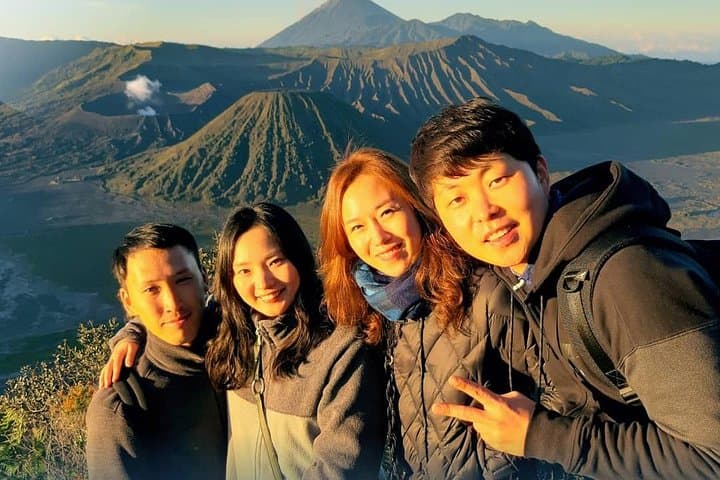
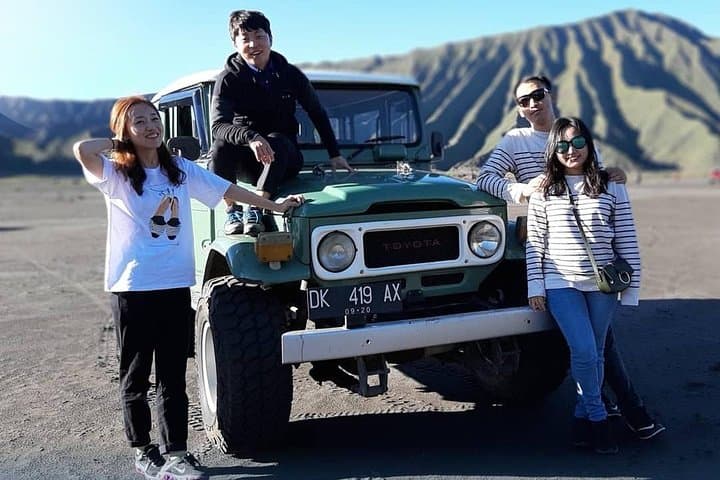
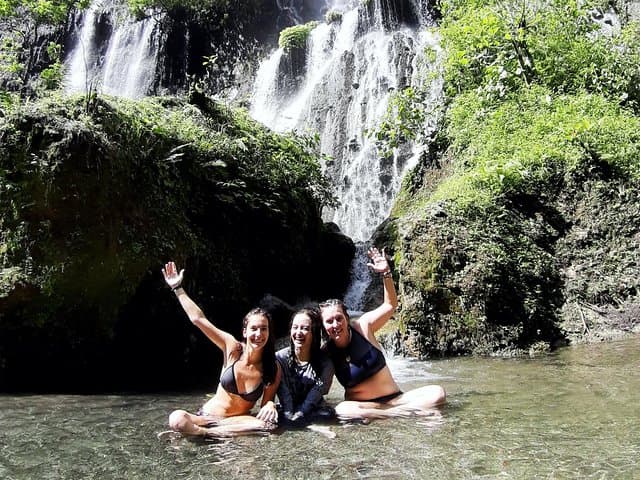
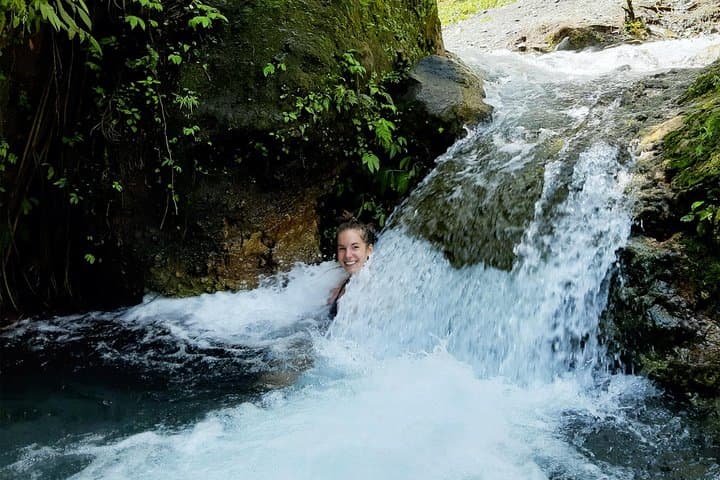
You step out of the jeep before dawn and the caldera breathes around you — a flat, ash-strewn sea that pushes gently against the base of Mount Bromo while a thin blue light outlines the crater rim. The next day a curtain of water thunders in a steep amphitheater; mist threads through canyon walls and dares you closer to the plunge pool.
You step out of the jeep before dawn and the caldera breathes around you — a flat, ash-strewn sea that pushes gently against the base of Mount Bromo while a thin blue light outlines the crater rim. The next day a curtain of water thunders in a steep amphitheater; mist threads through canyon walls and dares you closer to the plunge pool.
These two sites are geologically distinct: Bromo sits in the Tengger caldera, a volcanic amphitheater shaped by ancient collapses, with the active Bromo cone and wide sandy plain that requires a short 4x4 transfer and a climb over volcanic sand and roughly 250–300 steps to the crater rim. Tumpak Sewu (Coban Sewu) is a tiered, 120 m waterfall fed by streams from Mount Semeru; it drops into a narrow, steep valley at roughly 500 m elevation and involves steep trails and river crossings to reach the base.
Culturally, both places are part of the Tenggerese landscape — Bromo hosts offerings at Pura Luhur Poten and the Yadnya Kasada festival — while villages around Tumpak Sewu retain agrarian rhythms and traditional homestays.
Practical guidance: allow two days, plan an overnight in Malang, and expect early departures (midnight–1:00 a.m.) for Bromo. Wear sturdy, grippy shoes for volcanic sand and river rock, bring a headlamp, and pack a waterproof layer. Hydrate and budget time for photo sessions and short scrambles; guides handle local permits and 4x4 transfers. Respect marked paths in the caldera and avoid climbing active crater edges.